
Table of Contents
Why Glass Milk Bottles Are Still Popular
A Familiar Way to Store Milk
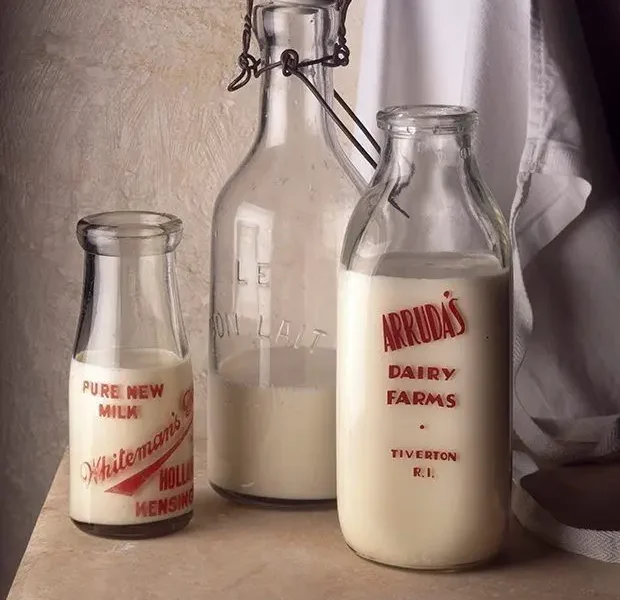
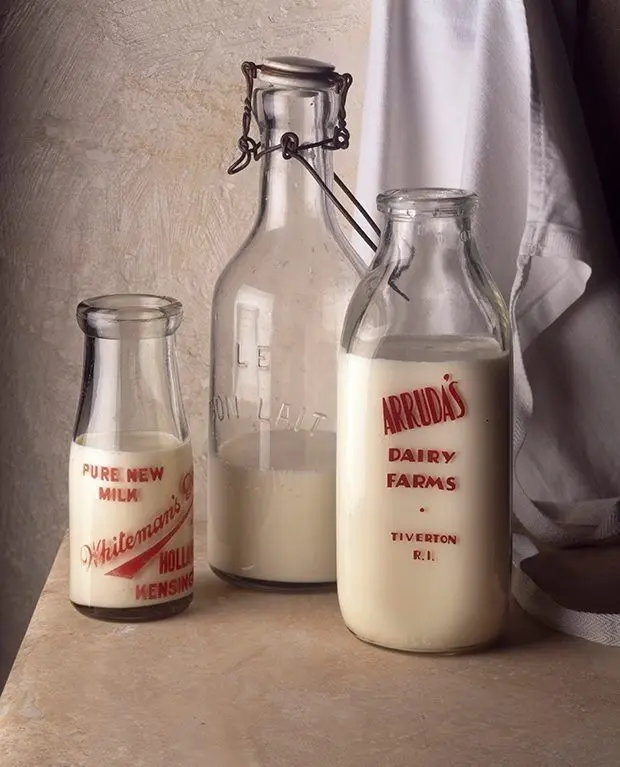
Glass milk bottles have been used for generations. Many people remember milk being delivered to their homes in glass bottles. Today, dairies, cafes, shops, and families still use them because they are simple, easy to clean, and familiar to customers.
A Clear View of the Product
A clear bottle lets people see the milk inside and check how much is left. It also helps customers see the product before they buy it. Some bottles use tinted glass to create a different look, while clear glass gives milk a simple, traditional style.
For a shop or dairy, the bottle is part of how the product looks on the shelf. A neat label and a clean bottle can help customers recognize the brand. The bottle should still be easy to hold, pour, store, and clean.
Benefits of Glass Milk Bottles
Glass Does Not Add Its Own Taste
Glass does not add a noticeable taste to milk. It is also less likely to hold food smells after it has been washed well. This makes it a suitable material for storing drinks with a mild taste.
The bottle still needs to be clean before it is filled. Milk can spoil if it is kept warm or handled carelessly, whatever kind of container is used. Keep milk cold, close the cap after use, and follow the storage advice on the label.
Bottles Can Be Used Again
A glass bottle can be washed and used again if it is in good condition. At home, people may use it for milk or another drink after cleaning it properly.
Some dairies and stores collect empty bottles from customers. The bottles are checked, washed, and filled again. This can work well when the business has a clear plan for returns and cleaning.
Any bottle with a crack, chip, or damaged opening should be removed from use. Damaged glass can be unsafe and may be harder to clean.
Choosing the Right Bottle Size
Small Bottles for Single Servings
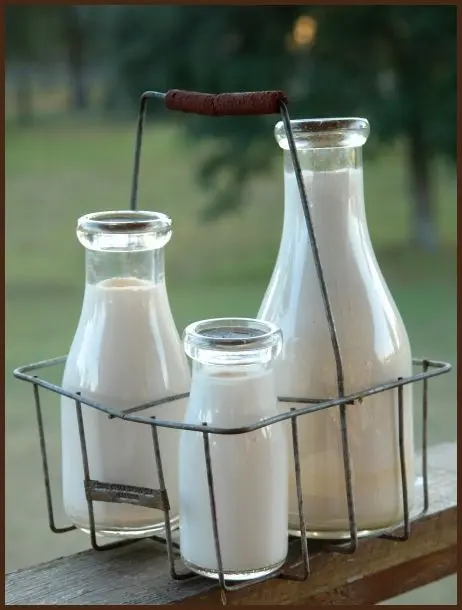
Small bottles work well for single servings, cafes, lunch bags, and product samples. They are easy to carry and may be finished before the milk goes off. They can also suit hotels and restaurants that serve milk with coffee or breakfast.
Larger Bottles for Families
Larger bottles are often more convenient for families or people who use milk every day. They can reduce the number of bottles a household needs to store, but they take up more space in the fridge.
The best size depends on how customers use the milk. A small bottle may suit one person, while a larger bottle may work better for a busy household. Businesses can ask customers which sizes they prefer before choosing what to sell.
Bottle Shape and Everyday Use
Neck Size and Pouring
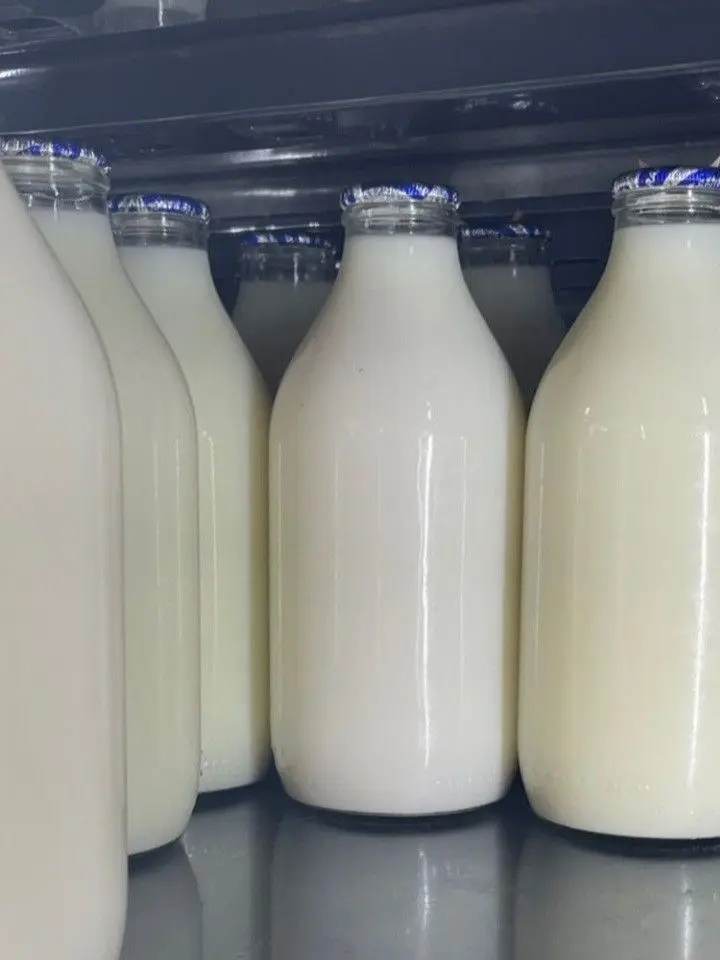
The bottle shape affects how easy it is to pour, hold, wash, and fill. A narrow neck can help control the flow of milk. A wider opening may be easier to clean, especially when using a bottle brush.
A bottle should feel comfortable in the hand. If it is too wide or heavy, some people may find it difficult to pour. Ease of use matters for every customer, especially children and older adults.
Height and Storage Space
Before buying bottles, check their height and width. They need to fit inside fridges, delivery crates, cartons, and filling equipment.
Ask the supplier for the bottle measurements. If possible, get a sample and try it in the places where it will be stored, filled, or delivered. This can help you find fit problems before you order a large quantity.
A sample can also show whether bottles are easy to pack together. Bottles that fit well in a crate are less likely to move around during delivery.

Choosing a Cap for Glass Milk Bottles
A Secure Fit Helps Prevent Leaks
The cap should fit the bottle opening well and stay closed during storage and delivery. A loose cap can cause leaks, while one that is hard to open may frustrate customers. Screw caps and other food-grade closures are common options.
Ask the supplier which caps fit the bottle and whether they are meant for one-time use or repeated use. The cap should be easy for customers to use and suitable for the way the milk is packed.
Test the Bottle and Cap Together
Check the cap and bottle as a pair before using them for milk. Fill a sample bottle with water, close it, and check for leaks. Leave it upright first, then lay it on its side over a sink or towel.
Try opening and closing the cap several times too. This helps you see whether it is easy to use and continues to fit securely.
Cleaning and Reusing Glass Bottles
Care at Home
Rinse an empty bottle soon after use. Milk left inside can dry and become harder to wash away. Wash the bottle with hot water and dish soap, then rinse it well.
Use a bottle brush to clean the inside, especially if the neck is narrow. Let the bottle dry fully before storing it. Do not use one with a crack, chip, or damaged opening.
Care for Businesses
Businesses that reuse bottles need a clear cleaning process. Milk residue can remain around the bottle neck and under the cap, so bottles should be washed and checked before they are filled again.
Dairies and food businesses should follow the food safety rules that apply to their work. Staff should know how to clean, inspect, and store bottles. Bottles that are damaged or difficult to clean should be set aside.
Glass Milk Bottles for Dairies and Brands
A Look Customers Recognize
Packaging helps customers recognize a product. A glass milk bottle can give a brand a traditional, local, or high-quality look. A clear bottle also lets people see the milk inside.
A label or printed design can show the brand name and product details. If the bottle will be reused, check that the label suits the washing process. Some labels may need to be removed before the bottle is cleaned.
Delivery and Bottle Returns
Glass is heavier than many other packaging materials. This can affect delivery costs and the way bottles are packed. Cartons or crates should help protect bottles while they are being transported.
If you plan to collect and refill bottles, decide where customers can return them and how they will get back to the dairy. You will also need a way to wash, check, and store returned bottles. Clear instructions make the return process easier for customers.
What to Check Before Buying
Compare the Details
Before placing an order, check the bottle’s capacity, height, width, opening size, and cap options. These details affect filling, storage, delivery, and everyday use.
Ask whether the bottle is designed for repeated use. If you plan to wash it many times, make sure its shape and finish suit your cleaning process. You may also want to ask about bottle weight and available label options.
Order Samples First
If you are buying bottles for a business, request samples before ordering in bulk. Test them with your filling equipment, caps, labels, cartons, and delivery crates.
A sample also lets you check how the bottle feels in the hand. Ask a few people to hold and pour from it. Their feedback can help you choose a bottle that is comfortable and practical.
A Practical Choice for Milk
Choose a Bottle That Fits Your Needs
Glass milk bottles are useful for homes, cafes, dairies, and food brands. They are easy to inspect, do not add their own taste to milk, and can be used again when they are cleaned and handled properly.
The best bottle depends on how the milk will be filled, stored, delivered, and used. Choose a suitable size, make sure the cap fits, and check that the bottle can be cleaned well. Testing samples before a large order can help you find a bottle that works in everyday use.If you’re interested in purchasing, please contact us.
Glass Milk Bottles
A Simple Guide to Sizes, Benefits, Cleaning, and Choosing the Right Bottle
Thank you for an interesting piece. I liked the way you developed your ideas and gave the reader room to consider them.
Thank you!
I liked the way you approached the subject with care. It made the article interesting to read and reflect on.
Thank you