1. The Intersection of Aesthetics and Functionality
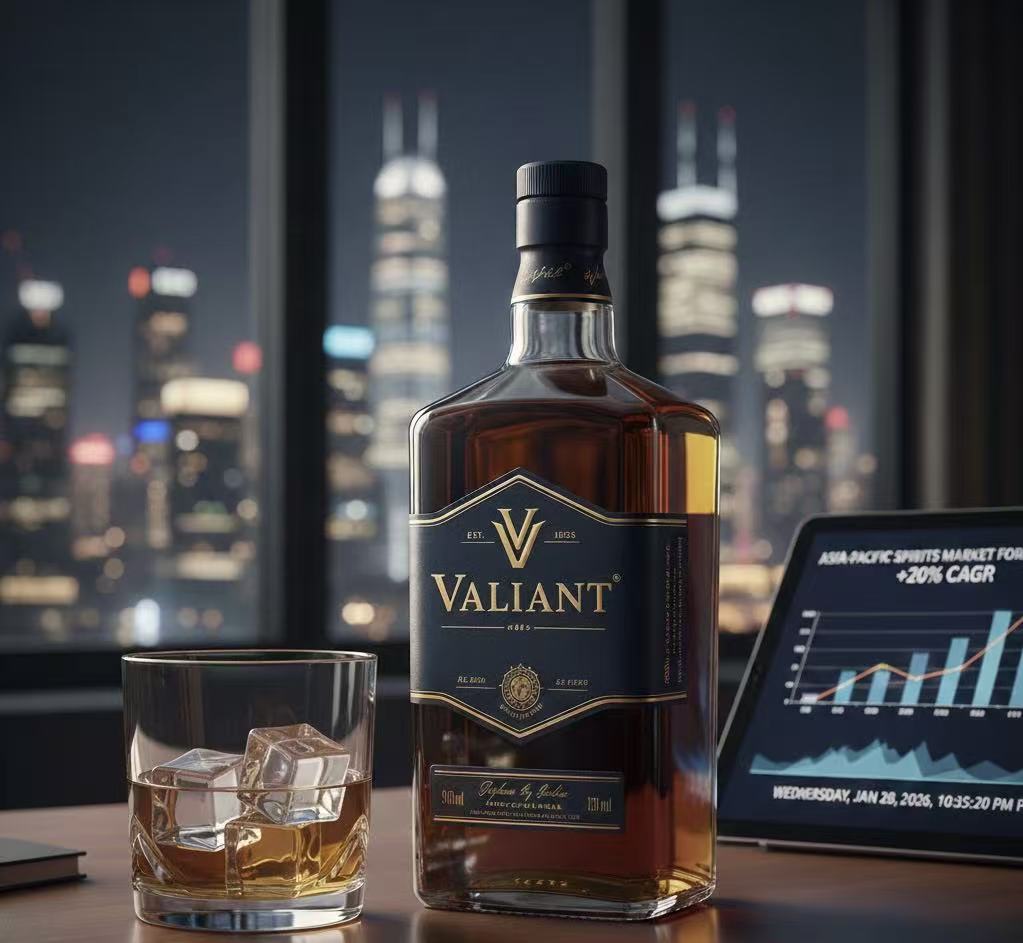
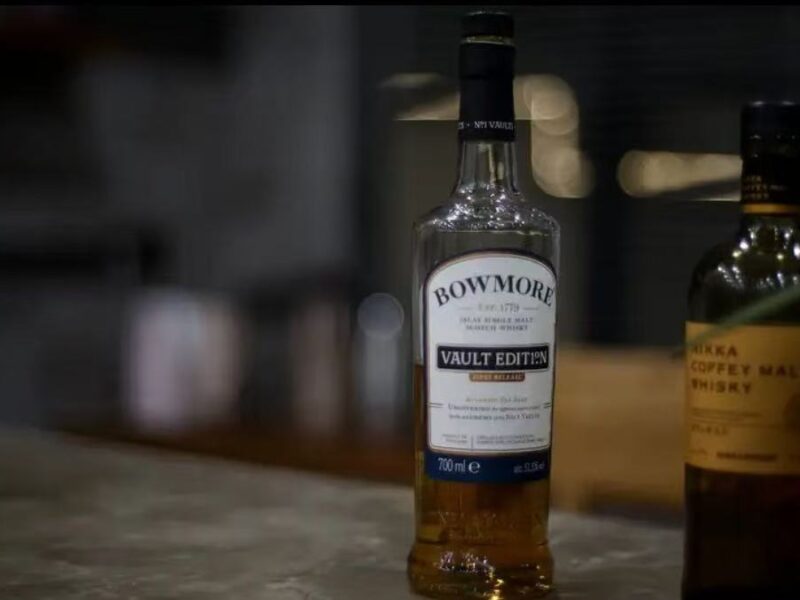
Whisky packaging operates at the intersection of visual design and functional engineering, requiring a rigorous balance between brand expression and technical performance. Beyond aesthetics, packaging must comply with mechanical and logistical requirements. Bottle design involves precise engineering, such as pour-rate calibration at the neck and structural reinforcement to withstand high-speed filling lines and long-distance transportation. Empirical studies suggest that bottle weight functions as a heuristic for perceived quality; heavier glass is subconsciously associated with durability and value, anchoring the consumer’s price expectation.A bottle must be ergonomic—comfortable to pour and sturdy—yet visually arresting. High-end brands often use “Extra-Flint” glass, which offers maximum transparency to let the natural amber hues shine.
2.Professional Interpretation of the Packaging Industry
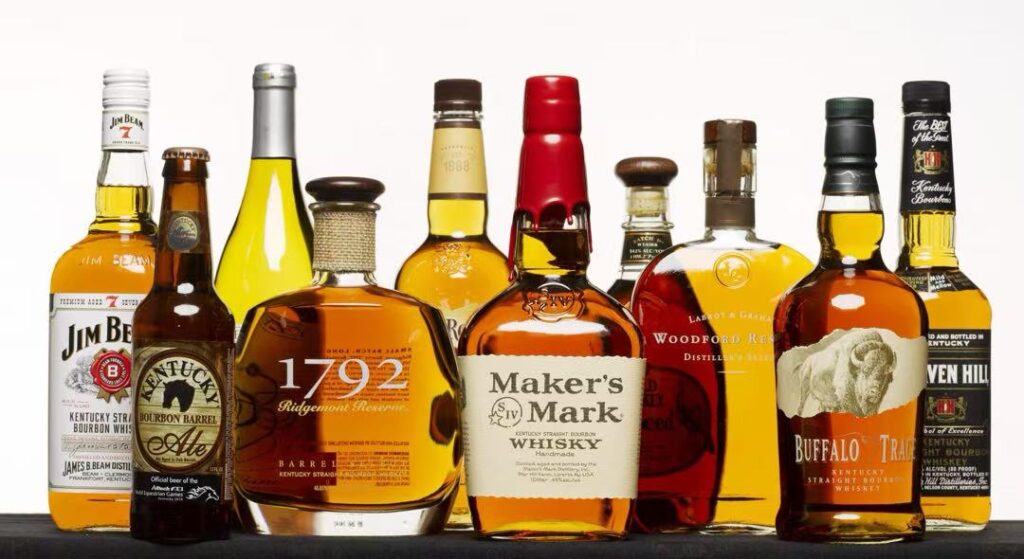
For the packaging industry, the 2026 landscape is defined by the dual imperatives of “Lightweight Luxury” and “Digital Integrity.” The industry is moving away from the paradigm where heavy glass was the sole indicator of quality. Technical advancements in glass manufacturing have enabled the production of high-strength, thin-walled containers that reduce carbon footprints without compromising shelf presence. Johnnie Walker’s “Blue Label Ultra,” weighing only 180 grams, stands as a benchmark for this trend, significantly lowering carbon dioxide emissions related to production and transport. This shift is not merely aesthetic but regulatory; with the EU’s PPWR taking effect in August 2026, manufacturers must ensure all packaging is recyclable and designed to minimize weight while maintaining functionality.
Geographically, the Asia-Pacific region continues to emerge as the primary engine for future growth. India and China are witnessing 20% annual increases in whiskey consumption, driven by an expanding middle class and an urbanizing population that prefers premium international spirits over traditional local alternatives. In Southeast Asia, untapped markets represent a combined population of over 1.5 billion, offering substantial runway for brands that can navigate localized distribution and packaging preferences.
3.Analysis for Valiant Packaging and Strategic Recommendations
The future belongs to manufacturers who can deliver “High-Value, Low-Impact” solutions. For Shandong Valiant Packaging, the path forward involves transforming the traditional bottle into a sophisticated, data-driven, and eco-efficient asset. By mastering the art of lightweighting and the science of smart integration, Valiant can enable brands to enhance consumer willingness-to-pay while navigating the complex regulatory and economic hurdles of the next decade. The spirits bottle of 2026 and beyond is no longer just a container—it is a storyteller, a security device, and a commitment to the planet.
Shandong Valiant Packaging is uniquely positioned to capitalize on these global shifts by leveraging its extensive manufacturing capabilities and specialization in high-end glass solutions. The company’s portfolio of over 3,000 existing molds and its proficiency in custom designs for the spirits, wine, and beverage markets provide a solid foundation for penetrating the Super Premium segment in 2026. To maintain its status as a global leader, Valiant must pivot toward an “Innovation-First” supply chain model that prioritizes sustainability and digital integration.
Accelerate Lightweighting Research and Development: Given the EU PPWR requirements and the industry-wide shift toward “Lightweight Luxury,” Valiant should develop a proprietary line of “High-Strength Ultra-Light” bottles. By optimizing glass distribution and using “Super Flint” materials, Valiant can help global clients like Diageo and Pernod Ricard meet their carbon reduction targets while maintaining the aesthetic standards of luxury packaging.
Integrate Smart Packaging Solutions: Valiant should move beyond traditional glass production by offering pre-integrated NFC and QR technology solutions. By embedding tags discreetly in the bottle neck or under labels, Valiant can provide distillers with a turnkey “Bottle Passport” solution, addressing the growing need for authentication and consumer engagement in the APAC and North American markets.
4.Conclusion: The Future Evolution of Whiskey Bottles
The future of whiskey packaging lies in the seamless fusion of artistry and sustainability. As global resources become more constrained, the industry must move beyond “luxury at any cost.” The next generation of market-leading bottles will be those that achieve a premium aesthetic through recycled components, proving that environmental consciousness and high-end positioning are not mutually exclusive. We are moving toward an era where the bottle serves as a digital bridge. Through integrated technology like NFC and blockchain-backed QR codes, the packaging will become the primary medium for transparency—offering real-time data on everything from the specific barley farm to the carbon footprint of the glass production itself. This level of traceability will become a new benchmark for “market value.
n a world of constant change, I am confident that VALIANT will stay grounded in its original aspirations while embracing the future through fearless innovation. Our dedication to sustainability ensures we give back to the planet as we strive for excellence, aiming to be a premier global name in glass production. We believe that exceptional packaging is the ‘crown jewel’ of a product, making the high-end even more exquisite. If you feel interesting about us, please connect with us.