
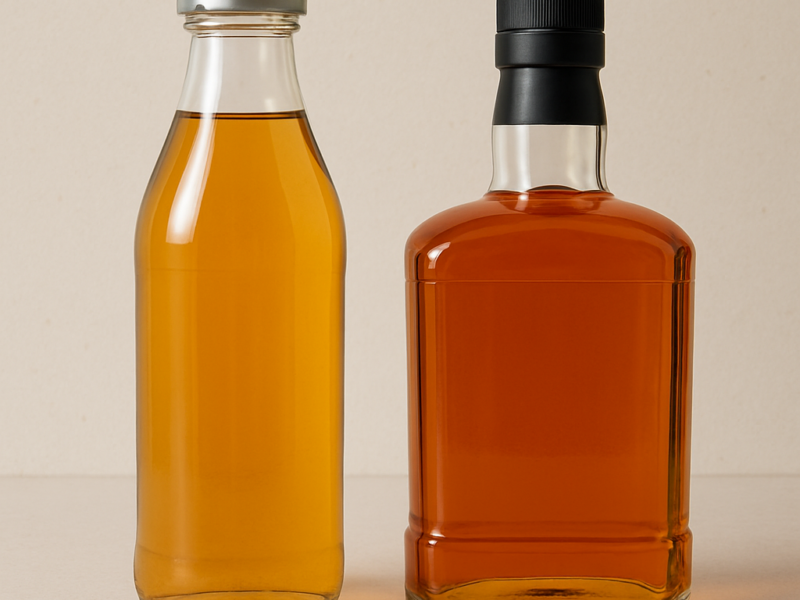
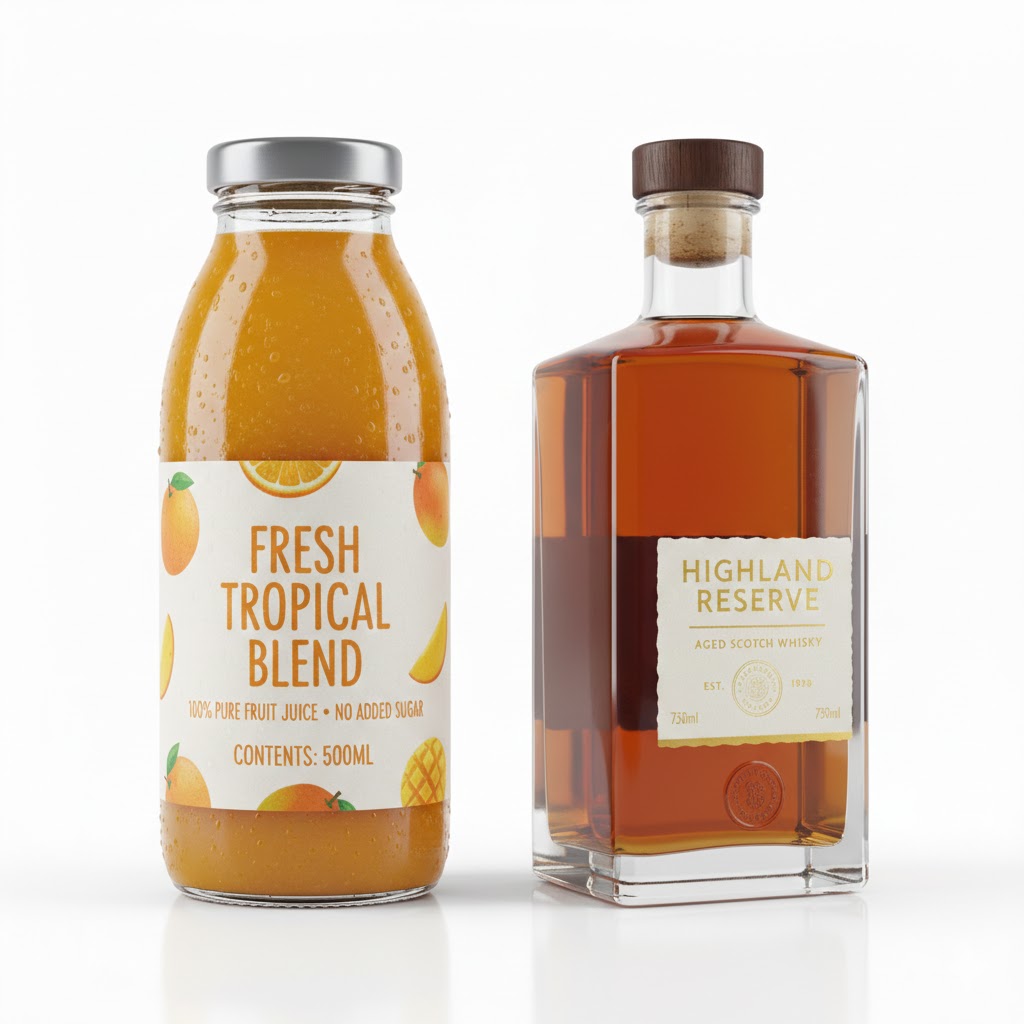
One of the most obvious differences between a juice bottle and a spirit bottle is the color of the glass itself. Walk down any grocery aisle, and you’ll see a sea of crystal-clear juice containers next to the dark, mysterious-looking bottles in the liquor section. This isn’t an accident; it’s a crucial element of beverage bottle design that serves two very different purposes: marketing and protection. For a product like juice, freshness is the main selling point. Manufacturers want to show off the vibrant, natural color of their orange, cranberry, or apple juice. To do this, they use what the industry calls flint glass—which is just the technical term for standard, clear glass. By letting you see the colorful liquid inside, the bottle sends a powerful message: “This is fresh, natural, and delicious.”
Spirits, on the other hand, are often designed for the long haul. A bottle of whiskey or gin might sit on a shelf or in a home bar for years, and its greatest enemy during that time is sunlight. Just like UV rays can fade a photograph, they can break down the complex flavor compounds in a spirit, permanently ruining its taste. This is where amber glass comes in. The dark brown or green color acts like a pair of sunglasses, providing essential UV protection that preserves the flavor the distiller worked so hard to create. Ultimately, the color of the bottle tells you about the product’s expected lifespan. A clear juice bottle is made to be opened and enjoyed quickly, while a dark spirit bottle is built to protect its valuable contents for years to come. But color is just one part of the story; another key difference is hidden at the very bottom of the bottle.
The Secret of the Spirit Glass Bottle : What Is the ‘Punt’ on the Bottom For?
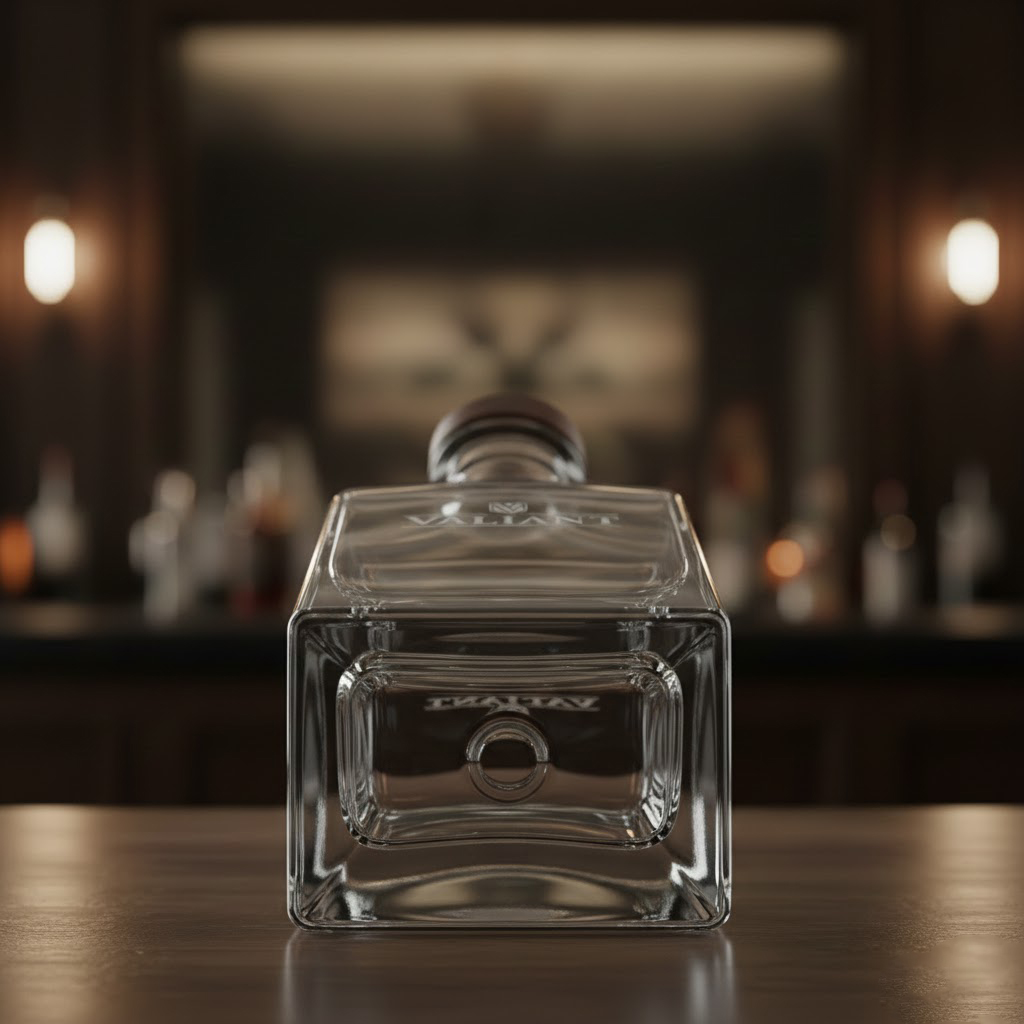
Turning the bottle over reveals another curious feature that separates a premium spirit from a simple juice container. Most spirit and wine bottles have a deep indentation in the base, while a juice bottle is typically flat. This dimple isn’t a design flaw or a sneaky way to sell you less liquid. It has an official name—the punt—and it serves several practical purposes.
So, what’s this dimple actually for? A popular myth claims its depth is a marketing trick to make the bottle look bigger, but the truth is far more functional. The punt depth in glass bottles primarily contributes to:
Strength: Just like an arch in a bridge, the curved shape of the punt adds significant structural integrity, making the bottle stronger and less likely to break under pressure.• Sediment Collection: For aged beverages like wine or unfiltered spirits, the punt helps collect natural sediment in a tight ring at the bottom, preventing it from being poured into your glass.• Easier Handling: For sommeliers and bartenders, the punt provides a convenient and stable thumb-hold for a professional-looking pour.
Sealing the Deal: Why Lids Are So Different
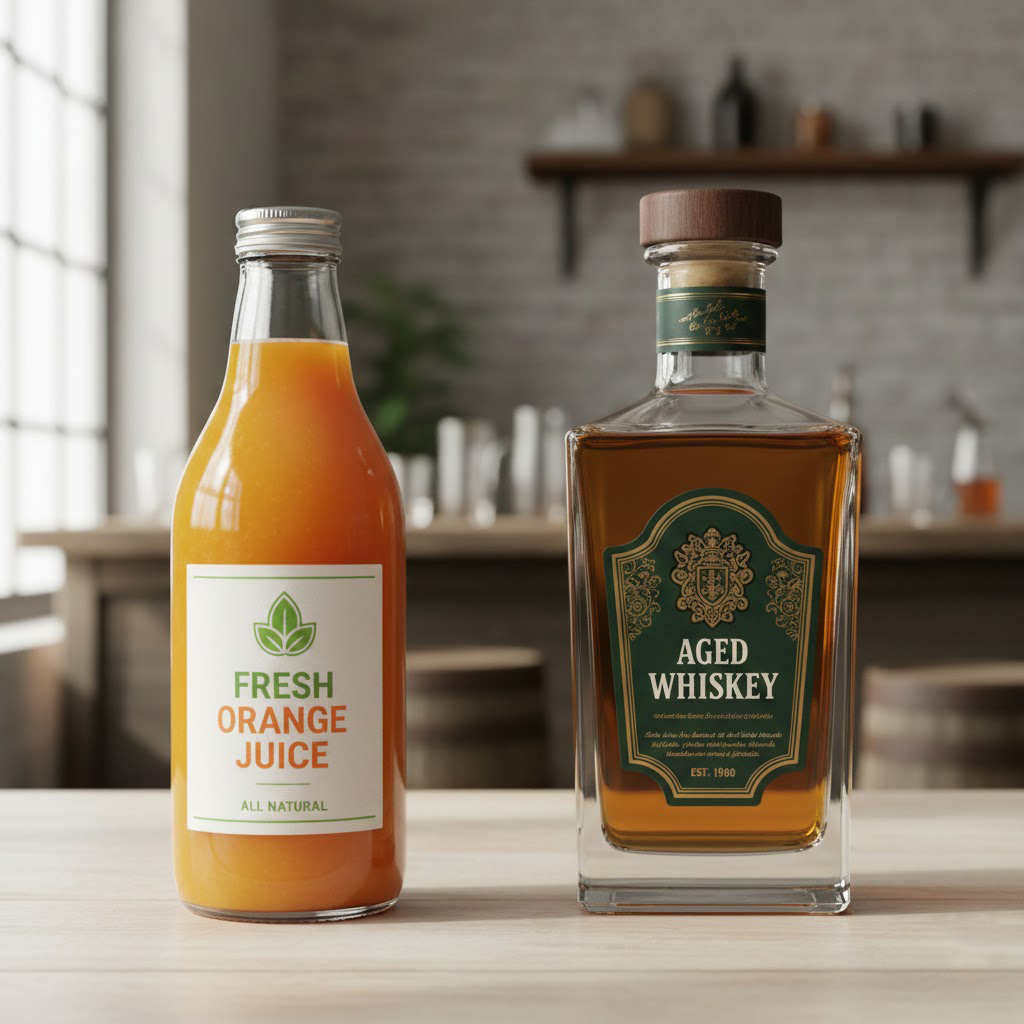
The final piece of the puzzle is the cap, and it’s a tale of two completely different approaches. A juice bottle’s simple, threaded plastic lid is designed for a single purpose: to keep the product fresh from the factory to your fridge. It’s cheap to produce and easy for anyone to twist off. In contrast, uncorking a spirit bottle is often part of the experience—the satisfying pop of a cork or the solid feel of a T-top stopper signals a more premium moment.
This top part of the bottle, whether it’s a cap, cork, or stopper, is known as the closure. For juice, the goal of the closure is a perfect, one-time seal. Once it’s opened, the product is meant to be consumed within days. The thin plastic and simple threads are perfectly suited for this short lifecycle, prioritizing low cost and convenience over anything else.
Spirit bottles, however, need a closure that can do its job for years. This is where the bottle’s design becomes critical. The specific shape of the rim and neck has its own name: the finish. A juice bottle has a threaded finish for a screw cap. A spirit bottle often has a smooth, thick, and durable finish designed to handle the pressure of a tightly inserted cork and be resealed hundreds of times without chipping.
Ultimately, the finish and the closure are a team, engineered to match the product’s value and lifespan. It’s the final handshake between the bottle and the liquid inside, sealing the deal on both freshness and feel. This naturally raises a practical question for any home brewer or cocktail enthusiast: if the bottles are so different, can you really use them interchangeably?
The AFQ: Can You Use Juice Bottles for Homemade Alcohol?
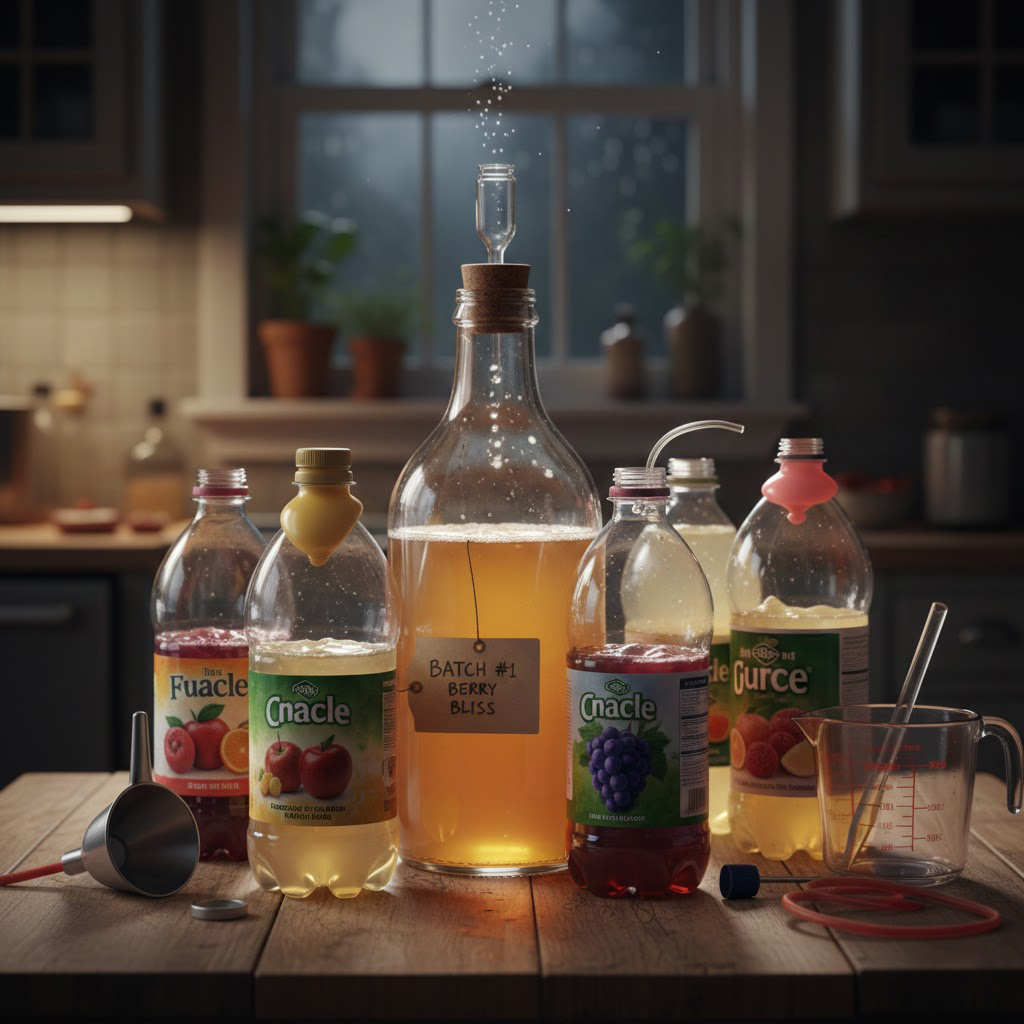
It’s a tempting idea for any home cocktail maker, but the short answer is no—you really shouldn’t use an old juice bottle for your homemade liqueur or infused spirit. The reason goes back to the bottle’s primary job. Juice bottles are built for a quick trip from the shelf to your fridge, so their thin glass prioritizes low cost over long-term strength. This makes them a poor and risky choice for storing anything for more than a few weeks.
The biggest hidden danger comes from a manufacturing process called “hot-filling.” Many juices are bottled while still hot to sterilize the product. The glass is specifically designed to withstand this one-time thermal shock and then cool down. Spirit bottles, on the other hand, are almost always “cold-filled” and are engineered for physical durability, not heat resistance. Trying to reuse or re-fill a thin juice bottle, especially with a warm liquid, could cause it to crack or even shatter.
Even if the glass survives, you are still faced with the problem of closure. As we saw, a juice bottle’s simple plastic cap is designed for convenience, not an airtight seal that lasts for years. Over time, that imperfect seal will allow air to creep in, oxidizing your creation and spoiling the flavors you worked so hard to develop. For long-term projects, choosing the right glass bottle made for the task is always the safest and most effective bet.
Conclusion & Call to Action
Having explored the craftsmanship behind juice and spirit bottles, you can find the ideal match for either at Valiant Packaging. Contact us today for expert guidance and high-quality solutions tailored to your brand’s vision.