
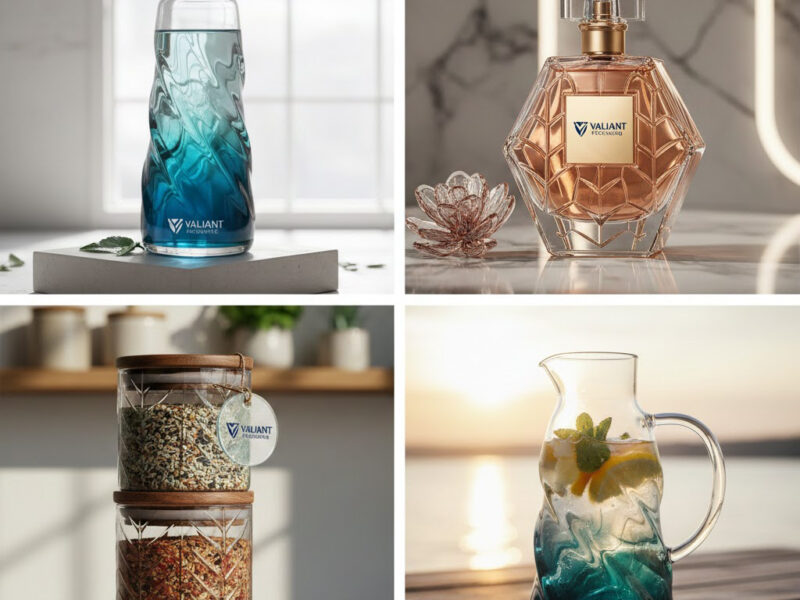
What Deadlock?
Nowadays, all industries need to face a “deadlock”: they must ensure their machines no longer harm the environment. No survivors even Glass Packaging. They all want to solve this problem——but how? Today, we will focus on Valiant Packaging, to see what they can do for their company.
Problems
The global glass packaging market is currently entering a decade of stable expansion, projected to rise from a valuation of USD 62.8 billion in 2025 to USD 97.5 billion by 2035, registering a compound annual growth rate (CAGR) of 4.5%. This growth is structurally supported by the alcoholic beverage segment, which accounts for 42% of total revenue, and the pharmaceutical sector, where demand for sterile borosilicate glass is expanding at a CAGR of 4.35% due to the rise of biologics and vaccines. However, this expansion is tempered by significant operational headwinds. Glass production remains one of the most energy-intensive industrial processes, requiring furnace temperatures exceeding 1500 ℃(2732℉)to liquefy raw materials. Consequently, the industry accounts for approximately 2.6% of global industrial carbon dioxide emissions, with two-thirds of these emissions stemming directly from the melting phase.
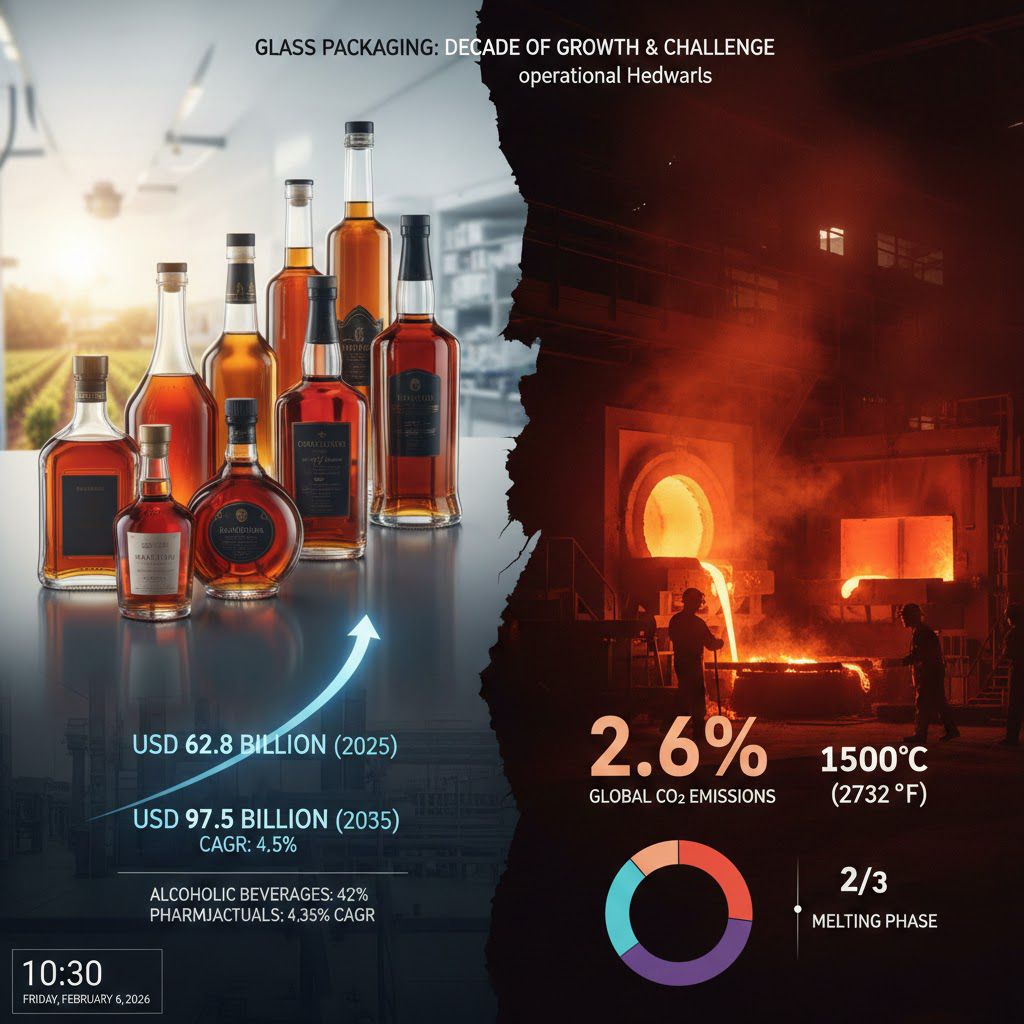
Data indicates that the reliance on natural gas for process heat—currently accounting for 77% of the industry’s energy mix—is the primary driver of its carbon footprint. As global regulations like the EU’s Packaging and Packaging Waste Regulation (PPWR) enter into force, mandatory targets are being established to mitigate this impact. The PPWR stipulates that by 2030, all packaging on the EU market must be designed for recyclability, with glass specifically required to contain at least 50% recycled content. Simultaneously, the industry is grappling with a crisis of primary resource availability. The global silica sand market is projected to reach USD 14.10 billion in 2025, but the depletion of natural river sand and tightening environmental restrictions on dredging are driving up costs and forcing a shift toward manufactured sand alternatives, which are expected to see a CAGR of 10.86% through 2034.
Global Glass Packaging Market Projections (2025–2035)
| Metric | 2025 Value | 2030 Projection | 2035 Projection | CAGR (%) |
| Global Market Value | USD 62.8 Billion | USD 78.2 Billion | USD 97.5 Billion | 4.5% |
| Alcoholic Beverage Share | 42% | 43.5% | 45% | 5.2% |
| Pharmaceutical Share | 12% | 14.2% | 16.5% | 4.35% |
| Recycled Glass Consumption | 29M Metric Tons | 34.5M Metric Tons | 42.1M Metric Tons | 3.5% |
Technic
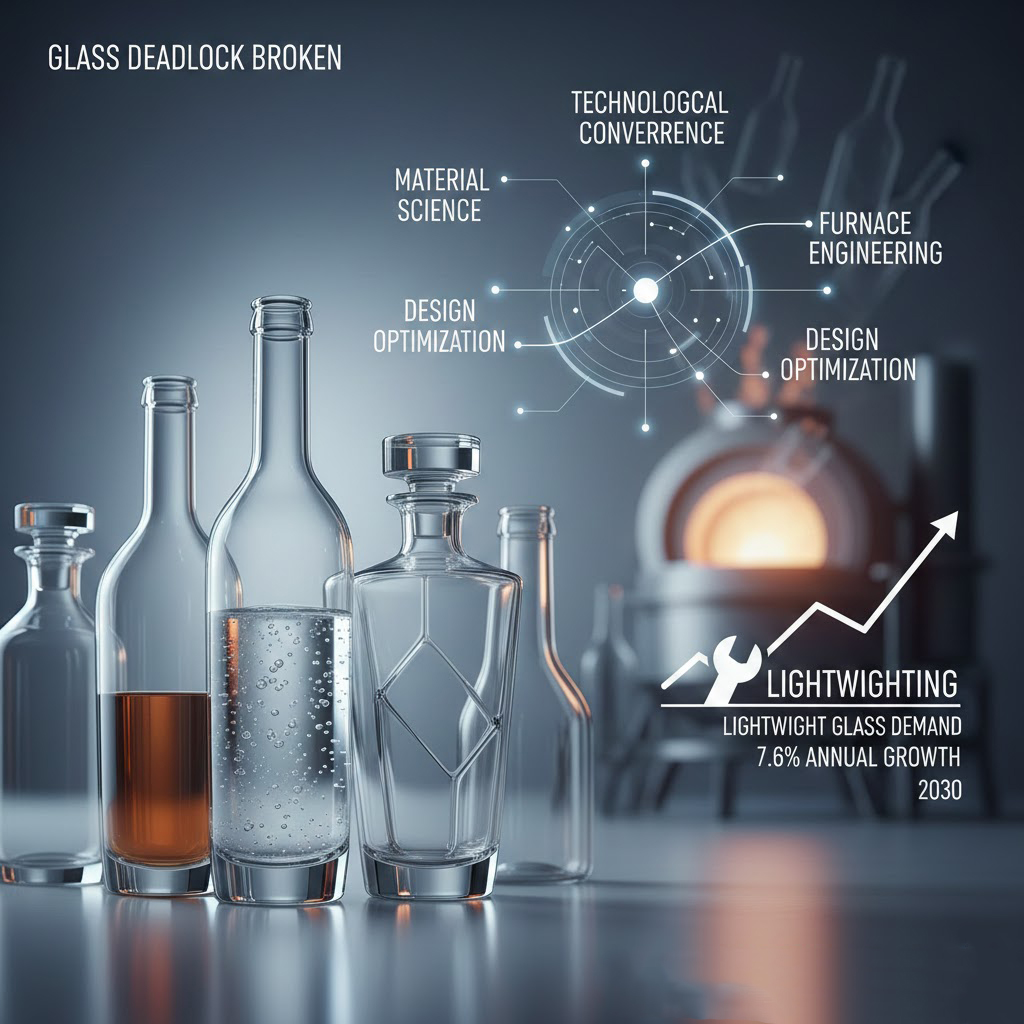
From a professional perspective, the “glass deadlock” is being broken through a technological convergence of material science, furnace engineering, and design optimization. The industry is transitioning from a “mass-focused” model to a “performance-focused” one. The most critical lever in this transition is “lightweighting” via the Narrow Neck Press and Blow (NNPB) process. Unlike traditional “Blow and Blow” methods, NNPB allows for precise control of glass distribution, enabling manufacturers to reduce wall thickness while maintaining internal pressure resistance—a necessity for carbonated beverages and high-end spirits. The move toward “Lightweight Luxury” is reflected in market data: demand for sustainable packaging in the Americas is predicted to grow by 7.6% annually through 2030, with lightweight glass being a central component of this shift.
Technical Comparison of Glass Forming Processes
| Feature | Blow and Blow (B&B) | Wide Mouth Press and Blow | Narrow Neck Press and Blow (NNPB) |
| Glass Distribution | Less Uniform | Uniform | Highly Uniform |
| Minimum Wall Thickness | ~2.5 mm | ~2.0 mm | ~1.2 mm |
| Weight Reduction Potential | Base | 15% – 20% | 30% – 40% |
| Primary Application | Heavy Wine/Spirit Bottles | Jars and Wide Containers | Lightweight Wine/Beer/RTD Bottles |
| Impact on carbon dioxide | High | Moderate | Low (Significant Reduction) |
The interpretation of decarbonization must also focus on the thermodynamics of melting. The integration of electric boosting and the development of hybrid furnaces (capable of utilizing up to 80% renewable electricity) represent the most viable path to the industry’s net-zero 2045 goal. While all-electric furnaces offer superior thermal efficiency (up to 85% vs. 45% for gas-fired), they face scaling challenges for high-tonnage production. Hybrid designs solve this by combining electrical energy for the base load with a smaller gas or hydrogen flame for surface heating, maintaining commercial outputs of 300-350 tons per day. This shift is essential to mitigate the rising cost of carbon; operating costs for container glass are projected to increase by 110% as energy sources transition, making thermal efficiency a competitive necessity rather than just a sustainability goal.
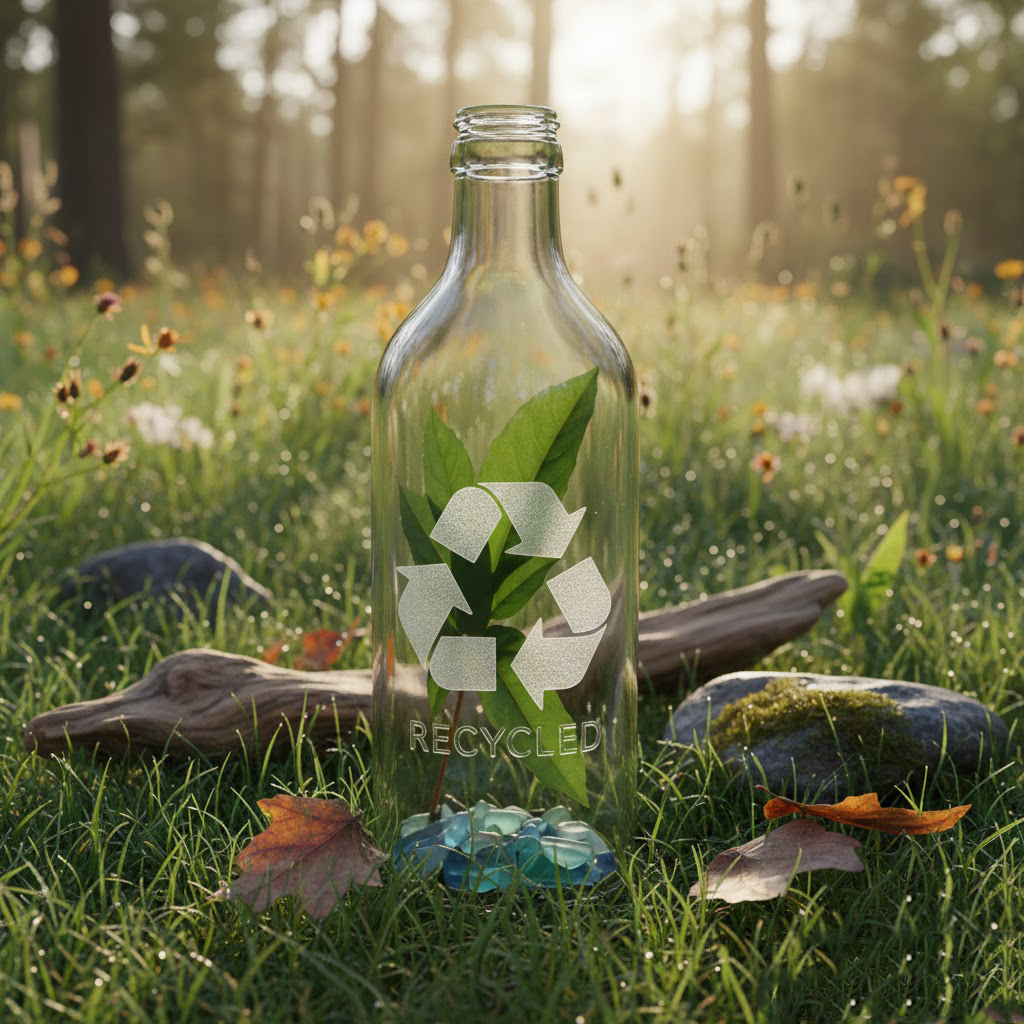
Furthermore, the analysis of secondary packaging elements—such as labels and adhesives—reveals that circularity is only as strong as its weakest link. Traditional labels with permanent adhesives often contaminate cullet streams, leading to “glass waste” of up to 1.5 kg per ton during sorting. The professional adoption of “EcoShear” residue-free adhesives and “Low Temp WashOff” labels is critical for improving the quality of post-consumer recycled (PCR) glass. Brands that utilize these systems, alongside clear minimalist labeling, are seeing a 25% increase in consumer engagement as they align with the wellness-driven “clean packaging” trend.
Strategic Implications for Valiant Packaging
For Shandong Valiant Packaging Co., Ltd. (Valiant Group), these global shifts present a strategic opening to reposition itself from a “fast-growing premium supplier” to a “pioneer of circular luxury”. As the industry moves toward 2030 targets, Valiant’s core strength in glass bottle mold manufacturing must be leveraged to facilitate the adoption of NNPB technology for its global clients. The ability to design and manufacture molds that allow for a 30% reduction in bottle weight—while maintaining the complex embossed details and tactile finishes that define premium spirits—will be Valiant’s primary differentiator in the Americas and European markets. Proposing “Valiant Light” collections—inspired by the “Elegant Light Line” seen in Europe—could directly address the needs of wine and spirits brands aiming to meet the Sustainable Wine Roundtable’s 420g bottle weight accord.
For Shandong Valiant Packaging Co., Ltd. (Valiant Group), these global shifts present a strategic opening to reposition itself from a “fast-growing premium supplier” to a “pioneer of circular luxury”. As the industry moves toward 2030 targets, Valiant’s core strength in glass bottle mold manufacturing must be leveraged to facilitate the adoption of NNPB technology for its global clients. The ability to design and manufacture molds that allow for a 30% reduction in bottle weight—while maintaining the complex embossed details and tactile finishes that define premium spirits—will be Valiant’s primary differentiator in the Americas and European markets. Proposing “Valiant Light” collections—inspired by the “Elegant Light Line” seen in Europe—could directly address the needs of wine and spirits brands aiming to meet the Sustainable Wine Roundtable’s 420g bottle weight accord.
- Digitalized Mold Engineering: Implementing AI-driven kiln simulations and CFD analysis to optimize mold cooling and glass distribution for ultra-lightweight designs.
- Circular Supply Chain Integration: Establishing a regional “Cullet Recovery Hub” in partnership with local distributors to ensure a stable supply of high-quality recycled glass, hedging against the rising costs of silica sand.
- Sustainable Decoration Suite: Transitioning all custom decoration to water-based inks and laser-printing technologies that eliminate ink-related contaminants, facilitating easier bottle-to-bottle recycling.
Valiant Packaging Strategic Innovation Roadmap (2025–2030)
| Focus Area | Objective | Metric / Target | Implementation Timeline |
| Lightweighting | Transition to NNPB Mold Design | Reduce Avg. Spirits Bottle Weight by 25% | 2025 – 2026 |
| Energy | Electrification of Decorating Furnaces | 100% Electric Decorating Firing | 2026 – 2027 |
| Material | Increase PCR Cullet Content | 50% Recycled Content in Standard Range | 2027 – 2028 |
| Adhesives | Implement Residue-Free Systems | 100% Recyclable Label/Adhesive Suite | 2025 – 2026 |
| Regulatory | PPWR & CSRD Compliance | Audit-Ready Sustainability Reporting | 2025 Ongoing |
Conclusion and Outlook
The 21st-century outlook for glass packaging is one of resilience through radical innovation. While the “deadlock” of high energy costs and resource scarcity is real, it is being broken by a new generation of hybrid furnaces, lightweight forming techniques, and smart, residue-free secondary materials. Glass remains the only material capable of infinite recycling without quality loss, a characteristic that secures its dominance in a world moving toward strict circular economy regulations like the PPWR. The transition to “Lightweight Luxury” and “All-Electric Melting” will fundamentally change the cost structure of the industry, rewarding those who invest early in high-efficiency processes and advanced mold engineering. For Shandong Valiant Packaging, the opportunity is to bridge the gap between premium design and environmental necessity, ensuring that “Made in China” glass represents the pinnacle of both quality and sustainability in the global market.