
Do you ever feel like carbonated beverages just don’t taste as good in plastic bottles as they do in glass bottles? In the summer, would you choose a carbonated beverage in glass or in plastic? Most people would choose glass bottles or cans, while only a small number of people would opt for plastic bottles.
Current market intelligence reveals a robust resurgence in the glass packaging sector, with the global market valuation estimated at USD 102,311.2 million in 2030. This trajectory is particularly pronounced in the beverage segment, which commanded a dominant 46.1% of the total glass packaging market share in 2023. A 2025 cross-industry survey underscores this movement, reporting that nearly 89% of premium beverage and beauty brands plan to abandon plastic in favor of glass by the conclusion of 2026. This strategic pivot is largely driven by evolving consumer demographics; approximately 73% of Gen Z consumers express a preference for eco-friendly products and demonstrate a willingness to pay a premium for packaging that ensures product purity and flavor preservation. In North America, while plastic maintains a high market presence (approximately 44.85% of beverage packaging in 2025), metal and glass are experiencing the fastest growth rates—with aluminum cans growing at 5.92% CAGR—as brands seek to align with circular economy targets and legislative mandates like California’s AB 793, which requires 50% recycled content in plastic containers by 2030. Conversely, in emerging markets like India, the glass packaging sector is accelerating at a CAGR of 6.2%, fueled by rising disposable incomes and the rapid premiumization of the alcoholic beverage industry.
Global Beverage Packaging Market Projections and Regional Dynamics (2024-2035)
| Metric | 2024 Value | 2030/2034 Projected Value | CAGR | Regional Leader |
| Global Glass Packaging Market | USD 78.48 Billion | USD 102.31 Billion (2030) | 4.5% | Asia-Pacific (36.0%) |
| Alcoholic Drinks Packaging | USD 55.8 Billion (2025) | USD 100.9 Billion (2035) | 6.1% | Europe/North America |
| Beverage Container Market | USD 245.4 Billion | USD 407.2 Billion (2034) | 5.2% | Asia-Pacific |
| US Beverage Packaging Market | USD 52.74 Billion (2025) | USD 66.44 Billion (2031) | 3.92% | North America |
| India Glass Packaging CAGR | N/A | N/A | 6.2% | Asia-Pacific |
| Premium Brands Switching to Glass | N/A | 89% by 2026 | N/A | Global Premium Sector |
The data suggests a deep-seated correlation between material choice and perceived brand value. In the United Kingdom, the spirits market reached GBP 16.8 billion in 2024, with more than 50 new distilleries entering the market, almost all of which utilized glass packaging to signal authenticity and craft heritage. Similarly, the ready-to-drink (RTD) cocktail segment is projected to grow 16.2% annually through 2030, with a distinct preference for glass as it safeguards volatile flavor profiles and aromatic compounds that are easily compromised in polymer-based containers. In China, which held a 41.6% revenue share of the Asia-Pacific glass market in 2023, the drive toward glass is increasingly linked to the “premiumization” of the beer and high-end juice sectors, where transparency and aesthetic weight are key purchase drivers.
What are their difference?
1. Glass is a “Vault”
Glass is made of silica (basically melted sand), which is chemically inert. This means it’s incredibly stubborn and doesn’t like to react with anything.
- No leaching: It doesn’t leak weird chemicals into your drink.
- No stealing: It doesn’t soak up the flavor.
- The Result: What you pour in is exactly what you get out. It’s the “purest” way to store a drink.
2. Plastic is “Chatty”
Plastic (PET) is a synthetic polymer, and unlike glass, it’s a bit more “active” with its environment. It ruins the flavor in two ways:
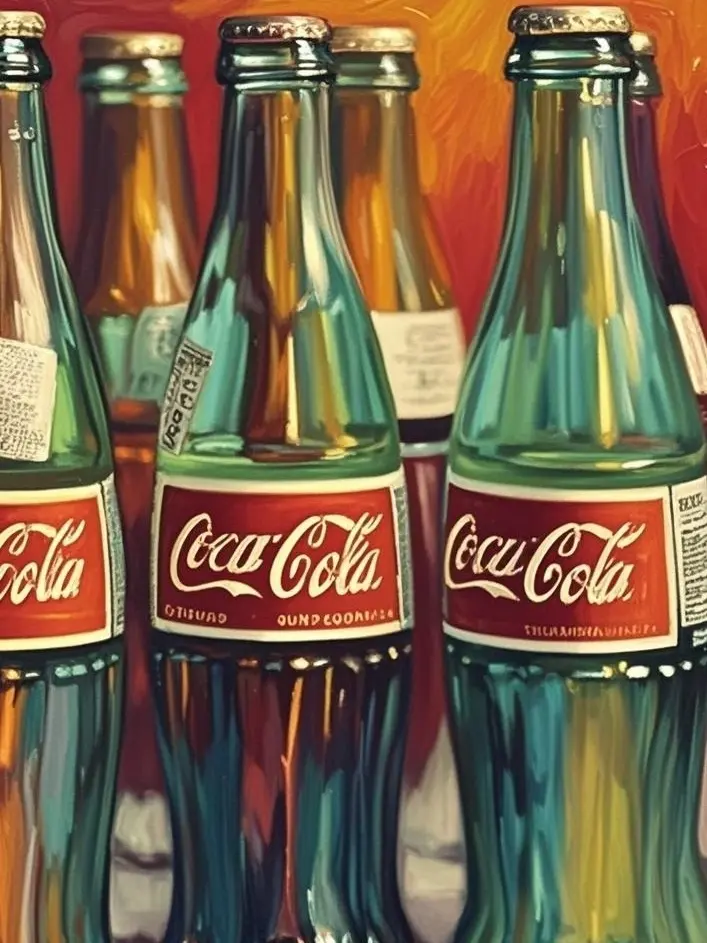
Scalping (Taking): Plastic is porous on a molecular level. It can actually “scalp” (absorb) the delicate flavor oils and aromas from the drink.
Migration (Giving): Tiny amounts of chemicals from the plastic-making process (like acetaldehyde) can “migrate” into the liquid. This is what gives your soda that subtle, artificial “plastic-y” aftertaste.
Beyond chemical migration, the retention of effervescence—the “fizz”—is governed by the barrier properties of the container. Plastic is semi-permeable to small gas molecules; Carbon dioxide gradually escapes through the molecular gaps in the PET, while atmospheric Carbon dioxide enters the bottle, leading to oxidative degradation of the flavor. Quantitatively, a standard 0.5-liter PET bottle typically exhibits an oxygen permeability rate of 0.2 to 0.3 mg/(bottle·day·bar). While high-performance coatings like Diamond-Like Carbon (DLC) or the inclusion of MXD6-based oxygen scavengers can reduce this rate to less than 0.005 mg/(bottle·day·bar), these interventions add significant cost and complexity to the recycling stream. Glass, conversely, acts as a hermetic barrier with a permeability coefficient essentially reaching zero for
Carbon dioxide and Oxygen ensuring that carbonation levels remain stable for the duration of the shelf life.
What should we do in the future market?
For Shandong Valiant Packaging, the current global shift toward glass represents a strategic imperative to synchronize high-volume manufacturing with bespoke “eco-elegance” design. The company’s 200,000-square-meter facility, equipped with automated Individual Section (IS) machines and CNC-driven mold production, is uniquely capable of addressing the high-precision requirements of the premium spirits and beverage sectors. As brands in Europe and North America increasingly demand “lightweighting” to mitigate transportation costs and carbon footprints, Valiant must prioritize the deployment of Narrow Neck Press and Blow (NNPB) technology. This process allows for the production of glass bottles that are 20–30% lighter while maintaining the structural integrity required to withstand internal pressures of up to 4.0-5.0 bar common in highly carbonated beverages.
Sustainability is no longer a peripheral marketing concern but a core component of supply chain viability. With recycled PET (rPET) costs occasionally exceeding virgin plastic by 20%, the economic advantage of glass—which can be recycled infinitely without loss of purity—is becoming more apparent to procurement officers. Valiant’s commitment to a circular economy model, utilizing high percentages of cullet (recycled glass) in its floating glass furnaces, directly aligns with the ESG (Environmental, Social, and Governance) targets of major beverage conglomerates. Furthermore, the integration of “Smart Packaging” technologies, such as QR codes and NFC tags etched directly into the glass or printed via high-speed decoration lines, offers a pathway for brand engagement and anti-counterfeit security that is increasingly vital in Southeast Asian and Latin American markets.
Conclusion
No matter glass or plastic, the one that make you feel better when you drink your juice, then the one is most suitable for you.