
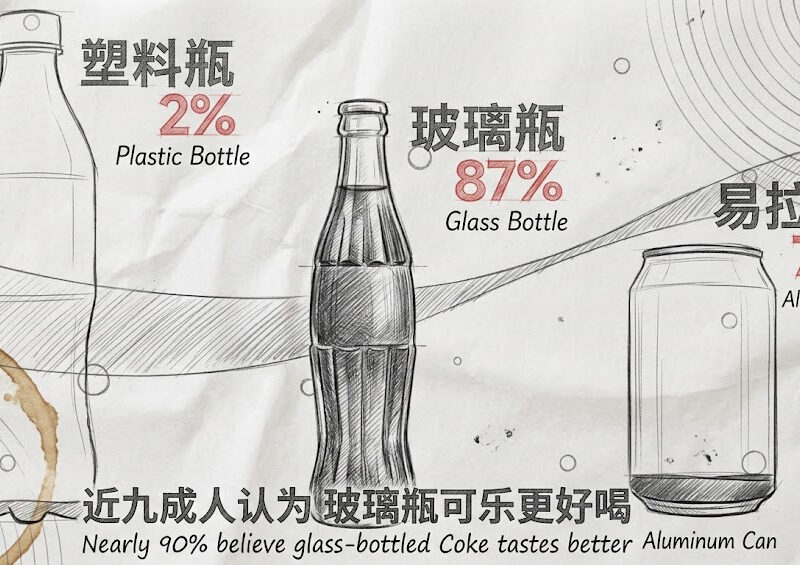
Glass bottle packaging for Coca-Cola often carries a higher price tag than plastic bottles. Producing glass requires very high-temperature furnaces (around 1400–1600°C) compared to plastic (around 170°C), and glass is much heavier. For example, a 2-oz glass jar weighs over 6 times a comparable plastic jar. These factors mean glass bottles cost more in production and shipping. Despite this, many consumers still prefer Coke in a glass bottle. Research shows people perceive drinks in glass as higher-quality, and experts note that glass keeps soda fizzier (preserving carbonation) than plastic. Below, we explore the cost, environmental impact, taste perception, branding, and reuse of glass bottles vs plastic to explain this price gap and consumer preference.
Production and Shipping Costs of Glass Bottles
High Energy Production: Glass needs to be heated to much higher temperatures than plastic. As one industry analysis explains, glass melts at 1400–1600°C versus plastic at ~170°C, so glass manufacturing consumes far more energy. In fact, glass production accounts for about 1% of U.S. industrial energy use. Modern plastic molding advances make plastic faster and cheaper to shape.
Weight and Fragility: Glass is significantly denser and more fragile than plastic. A 2-ounce glass bottle can weigh around 82.2 grams, whereas an equivalent plastic bottle weighs only ~13.0 grams – over 6 times lighter. This difference adds up: for a case of 500 bottles, a plastic case might weigh ~11.5 lbs, while the same number of glass bottles weighs ~88.5 lbs. More weight means higher freight costs. Additionally, glass is easy to chip or shatter during transport, causing product loss; plastic is far more shatter-resistant.
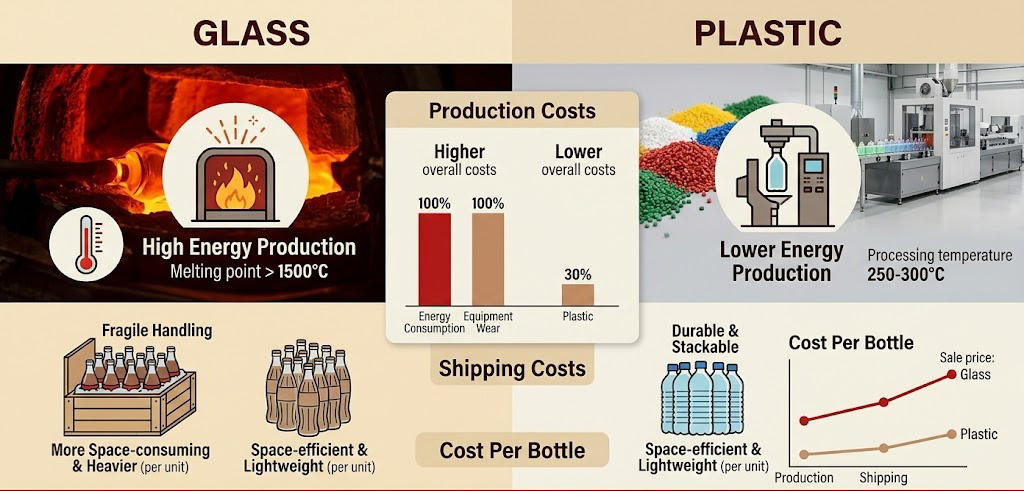
Higher Overall Costs: Putting it together, glass tends to be more expensive in all stages. The Cary Company notes “glass tends to be more expensive in both production and shipping” than plastic. It requires more energy to make and more care to ship, so manufacturers and retailers typically pay more per bottle (which raises the sale price to consumers).
Environmental Impact: Glass Bottle vs Plastic
Energy and Emissions: Producing a single-use glass bottle generally has a larger carbon footprint than making a comparable plastic bottle. For example, one lifecycle study found a 12-oz glass bottle required about 6.57 MJ of energy versus 3.75 MJ for a PET plastic bottle (mainly because melting glass is so energy-intensive). In practice, analyses note that “producing a single-use glass bottle… has a larger environmental impact due to the energy required”. Glass manufacturing also emits more greenhouse gases per bottle (around 0.37 kg CO₂ for glass vs ~0.17 kg for PET).
Recycling and Waste: Glass is made from natural materials and is infinitely recyclable at full quality. When recycled, glass can be melted and remolded again and again without degrading. In contrast, plastic bottles are often downcycled: their recycled material usually goes into lower-grade products (like fibers or carpeting) rather than new bottles. This means each time plastic is recycled some material is effectively lost from the bottle supply. Moreover, much plastic still becomes trash; in the U.S. in 2018, plastics made up about 18.5% of landfill waste, versus only ~5% for glass. (Glass is heavier, so it tends to be collected and recycled more often.)
Transportation Footprint: On the flip side, plastic’s light weight gives it a transport advantage. Shipping glass bottles uses more fuel and oil (and thus more emissions) than shipping the same beverages in plastic. A lighter load means plastic has a smaller carbon footprint per mile. In practice, long-distance transport often favors plastic for its cost and lower fuel use.
In summary, glass bottles have a higher production-phase environmental cost, but offer recycling advantages. Plastic bottles use less energy to make and ship, but create more waste if not recycled. Both materials have trade-offs: glass is heavier but fully recyclable; plastic is lighter but pollutes more when disposed.
Taste Perception: Glass Bottle vs Plastic
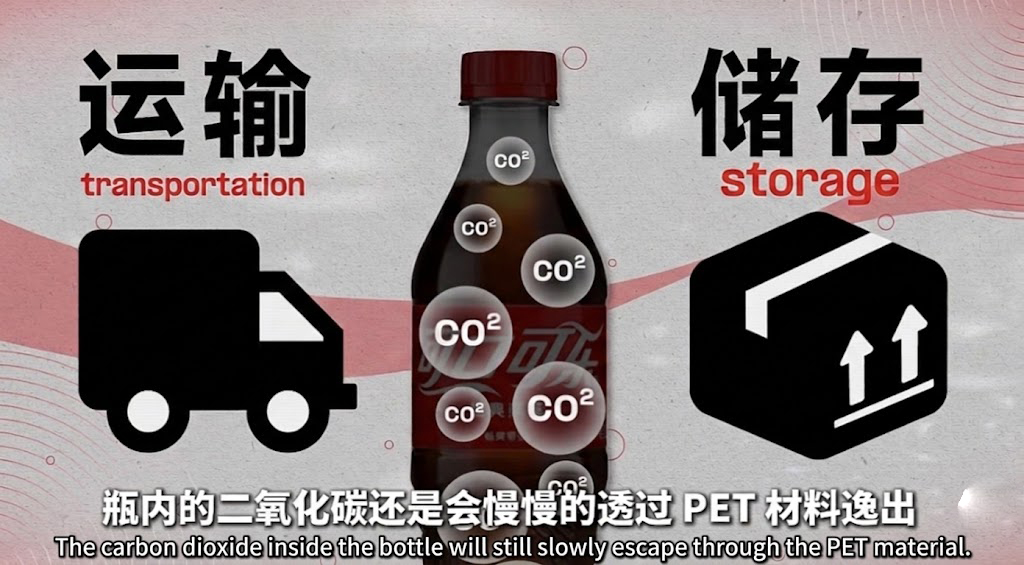
Although Coca-Cola’s recipe is identical regardless of package, consumers often sense a difference. Coca-Cola itself states that the “same recipe” goes into glass, plastic, or can, but drinking experience varies with packaging. One key factor is carbonation retention. University of Kent chemist Dr. Robert Barker explains that glass is essentially impermeable, so a soda in glass keeps its CO₂ bubble content longer. Plastic, by contrast, gradually absorbs carbonation into the bottle walls, making the drink go flat over time. He notes: “The carbonation of [the drink] will absorb over time into the inside of the plastic bottle… reducing the carbonation”. In practical terms, you often get a stronger “fizz” opening a cold Coke from glass, which many people find more refreshing.
Research also shows psychological perception plays a role. Studies cited in beverage packaging find that identical sodas are rated as tasting better when poured from glass bottles. For example, one study concluded that beverages in glass are “perceived as tasting better” than the same beverage in plastic or aluminum. Consumers tend to associate glass with quality and purity; Steenis et al. (2017) found people view glass-bottled drinks as higher-quality and more eco-friendly. All these factors mean that even if the Coke formula doesn’t change, the experience of drinking from glass feels different — colder, crisper, and more “authentic” to many drinkers.
Branding and Nostalgia: Glass Bottle as a Premium Symbol
The glass Coca-Cola bottle carries strong brand symbolism. Coca-Cola’s iconic contour glass bottle (first introduced in 1916) is instantly recognizable around the world. Seeing the liquid through a clear glass bottle and hearing the pssh! of the cap evokes nostalgia and conveys tradition. Many consumers see glass Coke as the “classic” or most authentic version of the beverage. In marketing, glass packaging is often positioned as premium – it sends a message that “your pop has something special going on”. Indeed, surveys repeatedly find that people rate foods and drinks in glass containers as more pleasant or high-end. All else equal, the glass bottle suggests a higher-quality, artisanal image, which justifies higher prices in consumers’ minds. (This is why Coca-Cola still produces limited glass-bottle variants like the famed “Mexican Coke” even where most sales are plastic or cans.)
In short, Coca-Cola’s glass bottle is part of its branding: it looks like a premium, old-fashioned product. That perception keeps demand high despite the extra cost. For many buyers, paying a bit more for Coke in glass is worth the “classic” taste and experience.
Reuse and Recycling of Glass Bottles
Another advantage of glass is its reusability. Glass bottles can be washed and refilled repeatedly without degrading. In fact, some Coca-Cola bottlers still operate deposit-return systems or refillable programs. For example, Coca-Cola Philippines notes that “returnable glass bottles remain a staple”: 45% of its local sales are in returnable glass bottles that are collected, washed and reused. Worldwide, Coca-Cola reported about 14% of its volume in 2024 was sold in reusable (refillable) containers. These systems cut down on single-use waste and spread the cost of each glass bottle over many uses, making them economical in the long run.
Even where bottles aren’t reused, glass is highly recyclable. Most regions allow glass containers in curbside recycling, and the material recycles cleanly. (By contrast, plastic bottle recycling rates are often low and the process can be inefficient.) However, keep in mind that when you buy Coke in glass, the price may include a deposit or higher marginal cost, since many countries charge a deposit on glass bottles to ensure their return. That deposit comes back to you when you return the bottle, but if bottles aren’t returned it effectively raises the net cost of the drink.
Ultimately, the reuse and recycling factor means glass bottles are better for sustainability when managed properly. Consumers who prioritize the environment or waste reduction may willingly pay a premium for glass, knowing it can be refilled or fully recycled
Conclusion
In the battle of Glass bottle versus plastic packaging for Coca-Cola, glass typically costs more to make and deliver, due to its energy-intensive production, greater weight, and fragility. But glass has offsetting strengths: it keeps soda fizzy, is perceived as premium and eco-friendly, and can be reused or recycled easily. These benefits explain why many consumers are willing to pay extra for Coke in a glass bottle. Glass bottles convey higher quality and nostalgia, and they support refillable systems that reduce waste.
By weighing all these factors — production cost, environmental impact, taste and branding, and reuse — we can see why Coca-Cola’s classic glass bottle remains a beloved (if pricier) choice.