
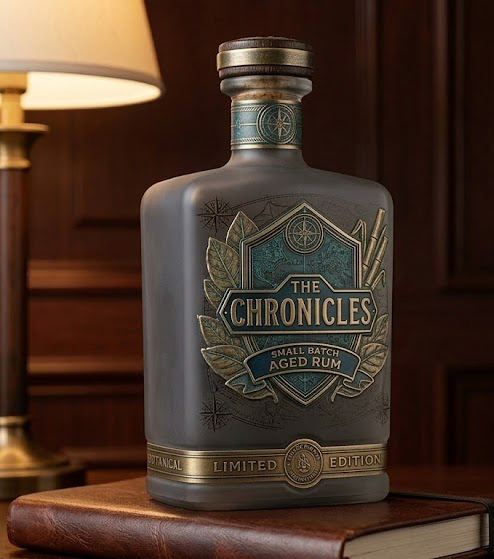
Bottle decoration and frosted glass bottle technologies are currently at the center of a pivotal transition in the global beverage industry. As brands navigate a landscape where packaging serves as the primary battleground for differentiation, these innovative surface treatments have become essential strategic tools.
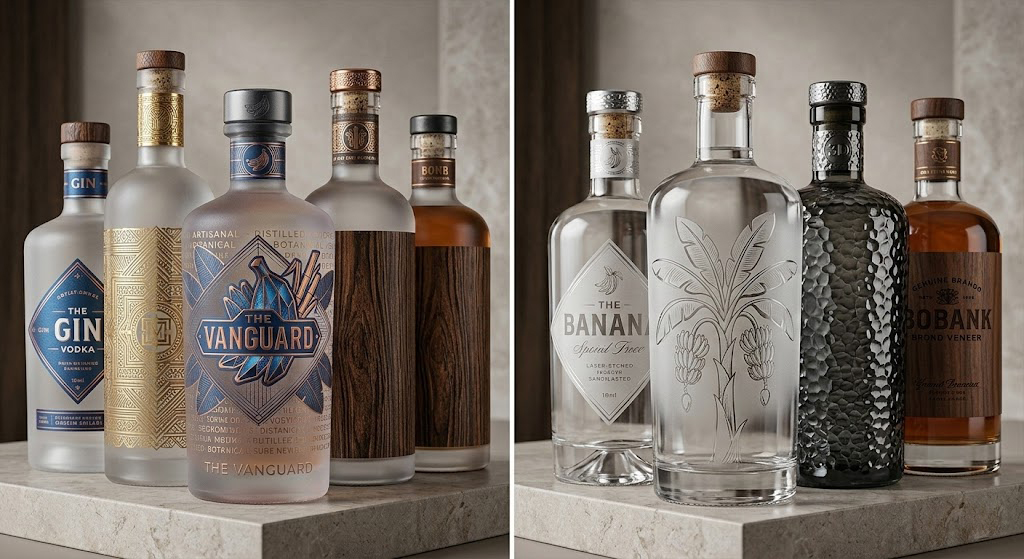
This report analyzes the decorative glass market, which is projected to reach USD 5.582 billion by 2035. It examines how advanced frosting, organic spraying, and high-definition decals are being re-engineered to align with circular economy principles and premiumization trends.
Analysis of Market News and Data Trends
The global glass packaging market entered 2025 with a valuation of approximately USD 78.48 billion. Projections indicate a steady climb to USD 102.31 billion by 2030, representing a compound annual growth rate (CAGR) of 4.5%.
Within this macro-environment, the premium spirits glass bottle segment is exhibiting even more aggressive growth. It is forecasted to expand at a CAGR of 4.6%, reaching USD 12.1 billion by 2035. This trajectory is underpinned by a profound shift in consumer behavior toward “premiumization” across North America, Europe, and Asia.
The frosted glass bottle market is a specific high-growth subset of the decorative industry. Valued at USD 6.7 billion in 2025, it is projected to hit USD 10.7 billion by 2035. This 4.8% CAGR reflects the increasing utility of frosting in protecting light-sensitive formulations from UV degradation.
| Market Segment | Estimated Value (2025) | Projected Value (2035) | Forecast CAGR |
| Global Glass Packaging | USD 82.02 Billion | USD 102.31 Billion (2030) | 4.5% |
| Premium Spirits Glass | USD 7.7 Billion | USD 12.1 Billion | 4.6% |
| Frosted Glass Bottle Market | USD 6.7 Billion | USD 10.7 Billion | 4.8% |
| Bottle Decoration Services | USD 4.40 Billion | USD 5.58 Billion | 2.44% |
Regional dynamics show that the Asia-Pacific region accounted for a 36% revenue share of the global market in 2023. Growth in China is pegged at 6.2%, while mature European markets like Germany and France show stable growth rates between 4.8% and 5.3%.
Impact of Frosted Glass Bottle and Bottle Decoration Tech
Strategically, a frosted glass bottle offers more than just aesthetic appeal. In the professional spirits sector, frosting techniques can filter up to 75% of harmful UV rays. This technical advantage extends the shelf life of light-sensitive botanicals found in premium gins and delicate wines.
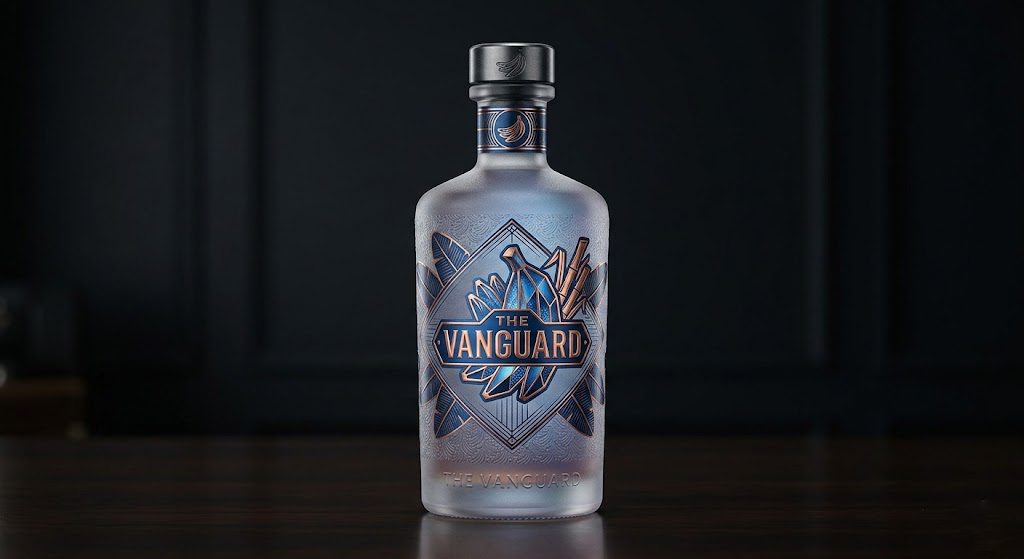
The evolution of bottle decoration from traditional acid etching to organic, water-based spraying reflects a commitment to sustainability. Water-based emulsions are atomized into droplets and cured under UV light, offering significant energy savings while ensuring the glass remains infinitely recyclable.
Technical analysis highlights that surface preparation is the “invisible science” of the industry. Without ultrasonic cleaning or flame treatment, premium coatings and decals are prone to flaking during high-speed bottling processes.
For high-volume traders, the performance of a frosted glass bottle on the line is a critical KPI. This includes its ability to move through rinsing, filling, and capping without surface damage. Modern automatic machines now handle complex, multi-color silk screen printing of up to 8 colors, providing unmatched design flexibility.
The Convergence of Design and Sustainability
The push toward a circular economy is a primary catalyst for innovation in bottle decoration. The European Union has set glass recycling targets at 70% for 2025 and 75% for 2030. This has spurred the development of “eco-elegant” designs that utilize high-precision decoration on ultra-lightweight bottles.
“Smart Packaging” is also redefining consumer engagement through bottle decoration. Brands are increasingly embedding QR codes, NFC tags, and AR-enabled labels directly onto the glass surface. These features verify product authenticity and provide immersive storytelling without extra secondary packaging.
From a design perspective, the trend toward “Minimalist Luxury” is driving a preference for subtle textures. When a bottle’s weight is reduced for environmental reasons, the perceived value is often recaptured through sophisticated bottle decoration like partial frosting or textured spraying.
Strategic Implications for Valiant Packaging
For Shandong Valiant Packaging, the rise of the frosted glass bottle presents a transformative opportunity. As a vertically integrated company, Valiant provides mold manufacturing, custom glass production, and value-added services like acid etching and spray coating .
To maintain leadership, Valiant must prioritize “Eco-Elegance” solutions. The adoption of water-based organic sprays for bottle decoration aligns with the ESG mandates of global players scrutinizing their supply chain emissions.
Strategic recommendations for innovation include:
- Sustainable Frosted Glass Bottle Solutions: Invest in “Green Frosting” that combines sandblasting with water-based coatings to ensure 100% recyclability .
- Advanced Personalization: Utilize digital decals and low-temperature firing to preserve vibrant hues for seasonal and limited-edition runs.
- Lightweighting Synergy: Combine thinner-walled glass designs with high-end bottle decoration to achieve carbon reduction targets while maintaining a premium hand-feel.
Conclusion and Future Outlook
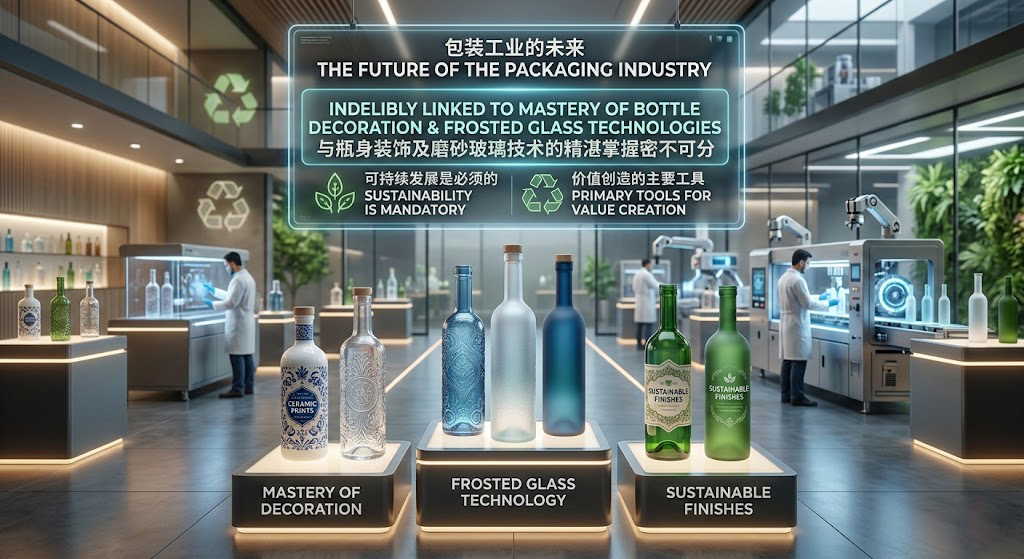
The future of the packaging industry is indelibly linked to the mastery of bottle decoration and frosted glass bottle technologies. As brands navigate a world where sustainability is mandatory, these treatments will be the primary tools for value creation.
By 2030, we anticipate a “closed-loop” decorative ecosystem. Every element, from the organic ink to the lightweight substrate, will be designed for infinite recovery. Shandong Valiant Packaging is well-positioned to lead this transition through technological innovation and a commitment to eco-friendly craftsmanship.