
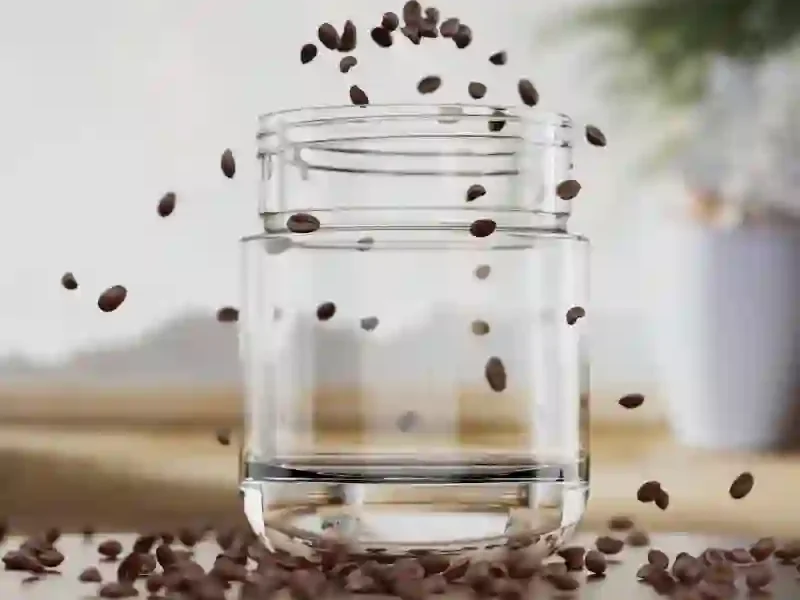
A honey jar has to do more than hold honey. It needs to suit the amount you want to sell, work with your filling process, and arrive in good shape after shipping. It also has to look good on a shelf or in a customer’s gift box.
That is why it helps to look closely at the jar before placing a bulk order. Even jars with the same capacity can feel quite different. The weight, base, shape, label area, and finish around the opening all affect how the package looks and works.
This guide looks at two 175ml glass honey jars: a thin-base option weighing 180g and a thick-base option weighing 250g. We’ll also cover the checks that can make a wholesale order easier to manage, from samples and closures to packing and delivery.
Table of Contents
Why 175ml Glass Jars Work for Honey Packaging
A handy size for smaller portions
A 175ml jar can be a practical choice when customers don’t need a large amount of honey. It may work for tasting packs, gift boxes, seasonal products, or honey with a special flavor or source. Customers can try something new without buying a full-size jar.
This size can also make it easier for a brand to offer a few varieties at once. For example, a gift set might include several small jars of different honey. Each one takes up less space than a large jar, and the set gives customers a reason to sample more than one product.
Think about how people will use the honey before choosing the size. A small jar may suit a premium product or a sampler, while customers who use honey every day may prefer a larger option. The right choice depends on your product and your buyers.
Glass lets customers see what they’re buying
With a clear glass jar, the honey is part of the display. Customers can see whether it is light or dark, clear or cloudy, and that can make the product feel more personal than a package that hides what’s inside.
The jar and label should work together. A large label may cover the honey, while a small one may not leave enough room for your brand name and product details. Try a sample with your actual label before approving a full order. It’s a simple way to see whether the finished package looks the way you pictured it.
Comparing Two 175ml Glass Honey Jar Designs
175ml thin-base jar, 180g
The 180g jar has a thinner base and weighs less than the 250g option. If keeping the glass weight down is important to your packaging plan, this style may be worth a closer look. A lighter empty jar can also reduce the total weight of a packed order, though you’ll still need to compare the full shipping quote.
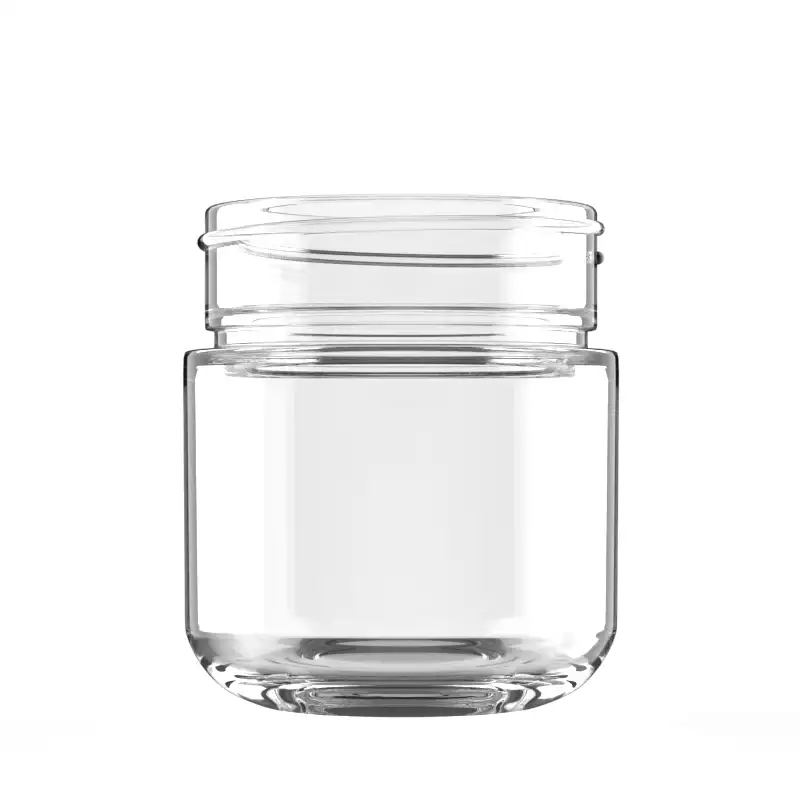
Ask the supplier for the jar’s height, diameter, mouth finish, and weight. Don’t rely on a product photo alone: a picture can show the general shape, but it won’t tell you whether the jar fits your filling line or leaves enough room for your label.
It’s also a good idea to test the jar with honey inside. Fill a sample, apply your label, and place it beside your other products. That gives you a better sense of the finished package than looking at an empty jar on a screen.
175ml thick-base jar, 250g
The 250g jar has a thicker base and feels heavier in the hand. That may suit a brand that wants the package to feel more substantial. The base is one of the first details a customer notices when picking up a jar, even if they don’t think about it in those words.
The extra weight is something to include in your shipping calculations. When you order in bulk, the glass weight adds up across the whole shipment. Ask for the packed carton weight, not only the weight of one empty jar, so you can compare the total more accurately.
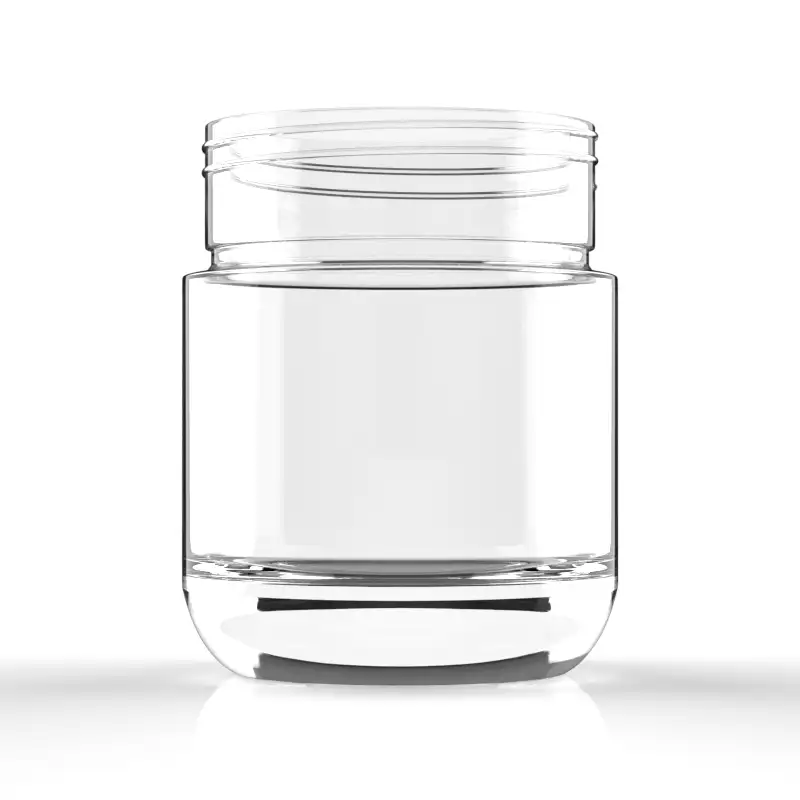
Check how the jar looks with your honey and label, too. A heavier design isn’t automatically the better choice; it needs to fit your brand, budget, and packing setup. Reviewing a real sample can help you make that call.
What to Check Before Buying Glass Honey Jars Wholesale
Get the jar details before comparing prices
A quote is only useful if you know what it covers. Ask the supplier to confirm the jar’s capacity, height, width, weight, mouth finish, and any available tolerance information. These details help you check whether the jar will work with your filling equipment, label, and shipping carton.
It’s also useful to ask what the stated capacity means. Is 175ml the brimful capacity, or the amount the jar is intended to hold when filled? The answer can affect your fill level and product label, so clear that up before you prepare packaging artwork.
Check the opening and closure
The closure needs to fit the jar’s mouth finish. Ask which closure options are compatible and whether the closure is included in the quote. If it is a separate item, confirm its price and availability as well.
Don’t leave this check until the jars arrive. A sample lets you try the closure, see how it sits, and check whether your team can apply it as planned. If your package needs a seal or another added component, test that at the same time.
Packaging and Shipping for Wholesale Orders
Ask how the jars will be packed
Glass can break if jars knock against one another during transport. Before ordering, ask how many jars go into each carton and what protection is used between them. Dividers, trays, and suitable carton strength can all help keep the shipment in better shape.
For a first order, pay attention to the carton when it arrives. Check for crushed corners, loose packing, or broken glass. If you find a problem, take photos and contact the supplier promptly. That gives both sides a clear record of what happened.Ask whether the packing method changes for a larger order. A sample shipment may arrive safely, but bulk orders can use different cartons or pallets. It’s better to confirm the plan ahead of time.
Work out the full delivery cost
The price per jar is only one part of a wholesale order. You may also need to account for cartons, freight, insurance, duties, and local handling fees. Ask for a quote that shows the delivery terms and the costs included.The 250g jar is heavier than the 180g jar, so the shipping cost may differ. Compare both options using the same order quantity and destination. That gives you a more useful picture than comparing the unit prices alone.
Lead time matters, too. Ask when samples can be sent, how long production is expected to take, and how much time shipping may add. If you’re preparing for a product launch or a busy season, leave room for delays.
How to Choose a Glass Jar Supplier
Ask direct questions
You don’t need a complicated checklist to start a supplier conversation. Tell them how many jars you need, where the order is going, which style you’re considering, and what kind of closure you plan to use. Then ask for the specifications, sample details, packing method, price, and lead time.
Test a sample with your own team
A sample should be checked by the people who will actually use it. Your packaging team can try the label and filling process. Your shipping team can see how the jars fit in the carton. Someone from sales or marketing can check how the finished product looks on a shelf or in a gift set.
Keep one approved sample and note its key details. When the order arrives, you can compare the jars with what your team signed off on. This can help catch differences before the jars move further into production.
If you’re choosing between the two weights, review them side by side. Fill each sample with the same honey, use the same label, and pack them the same way. Then compare the appearance, feel, and shipping weight.
Conclusion
Both jars hold 175ml, but one is lighter and one feels heavier. Try a sample of each before you decide.
Fill the jars with your honey, put on your label, and see how they look and feel. The thin-base jar weighs 180g, while the thick-base jar weighs 250g, so remember to compare shipping costs too. Before placing a bulk order, ask the supplier about the jar size, opening, closure, packing, price, and delivery time. That way, you’ll know what you’re getting and can choose the jar that suits your product and budget.
175ml Glass Honey Jars for Wholesale Packaging
Compare our 180g thin-base and 250g thick-base jars to find the right fit for your honey brand.