
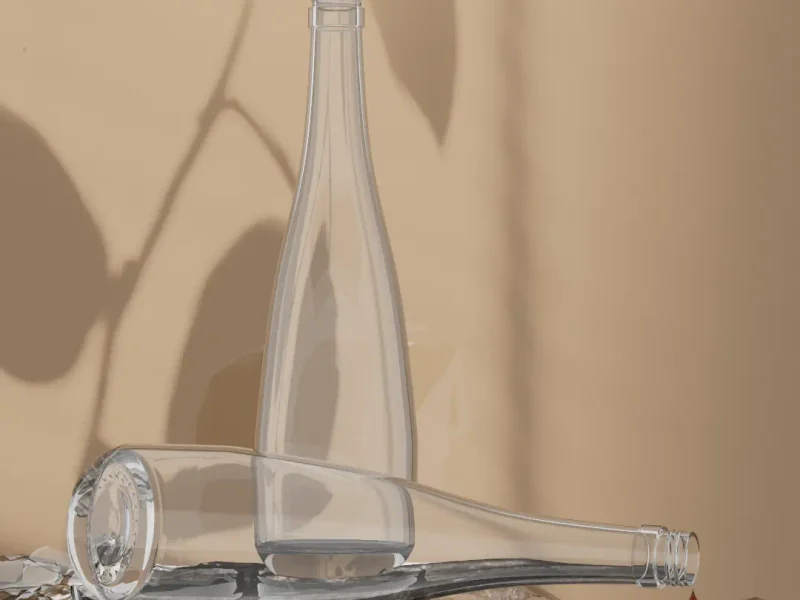
A water bottle does more than hold a drink. Its shape, glass, and label all affect how the product looks when customers first see it. A familiar design can feel dependable, while a distinctive one can help a brand catch the eye on a crowded shelf.
That is one reason brands consider custom glass water bottles instead of choosing only from standard designs. A well-planned shape can give a product its own look and leave room for labels or decoration.
But turning a drawing into a glass bottle takes more than making a mold. Curves, shoulders, the base, and the way glass spreads through the bottle all need to work together. A design that looks simple on a screen may be harder to make consistently.
Imagine a brand that wants a bottle with a smooth body and a clearly defined front area for its logo. The shape needs to look good from different angles and leave enough room for the brand name and product information.
The idea may look straightforward. The details take more thought.
During development, the team needs to review how the shape will be formed, how the bottle will stand, and whether it will be practical to fill, label, pack, and ship. Sketches and samples help the team spot problems before a large order is placed.
This is one of the main points in custom glass packaging: a bottle needs to work as a real product, not only as a drawing.
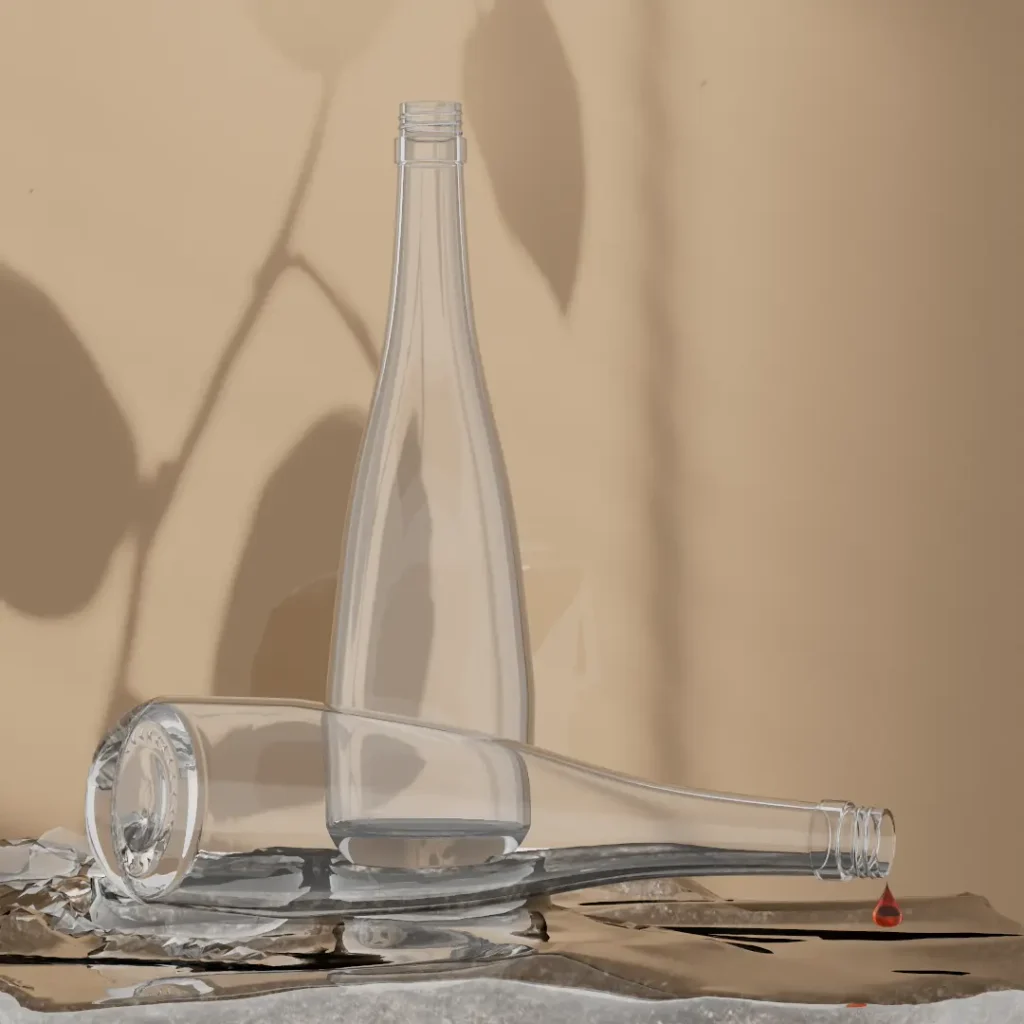
Table of Contents
Why Unique Glass Water Bottle Designs Matter
Packaging Is Part of the Product Experience
For a water brand, the bottle is often the first part of the product a customer sees and handles. Its shape, the feel of the glass, and the label can all affect how people view the product.
This matters in retail, hospitality, gifting, and other settings where customers have many choices. A recognizable bottle gives the brand another way to stand apart.
A bottle design can suggest different qualities:
1.Simple and practical
2.Premium and polished
3.Natural and understated
4.Modern and distinctive
5.Made for everyday use
Glass offers a clear surface for labels and decoration. Depending on the design and production process, brands may also consider printing, frosting, or raised details.
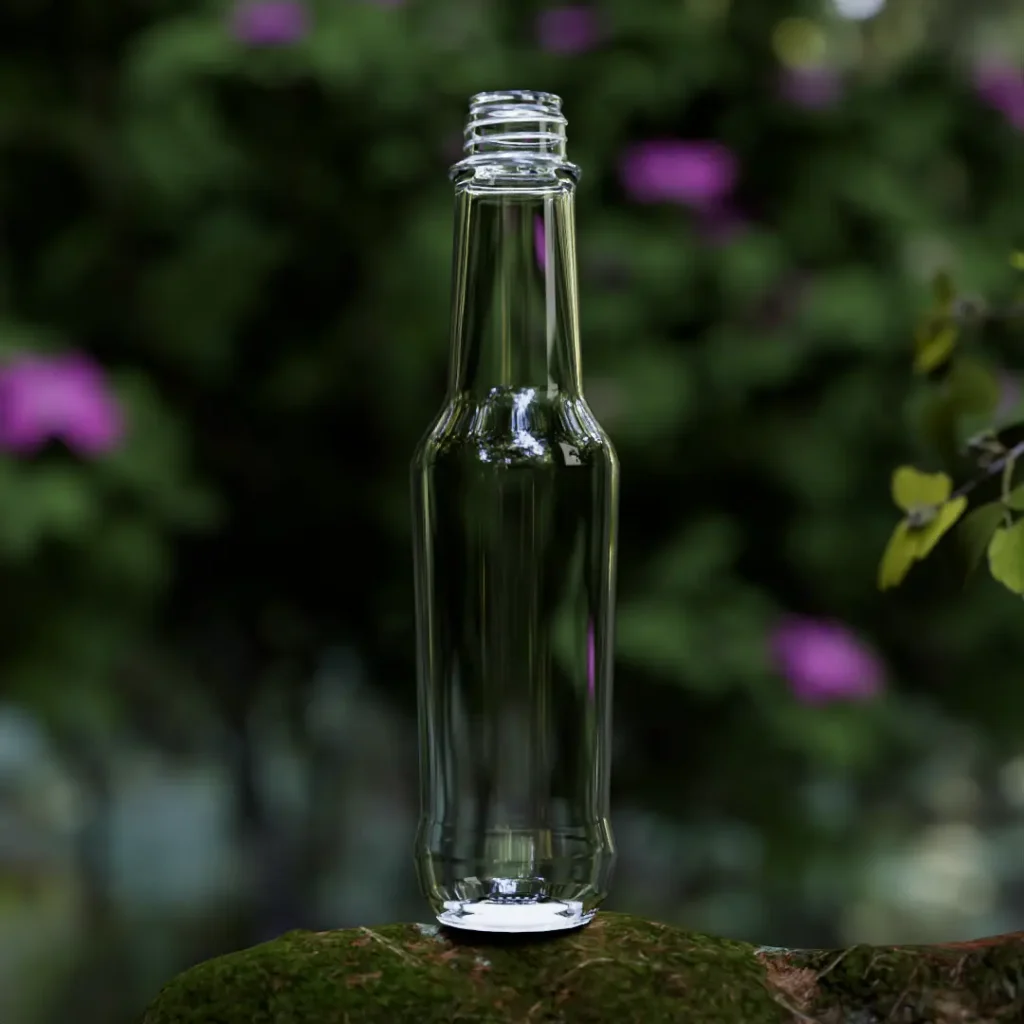
The bottle can become part of the brand’s identity. A customer may not remember every word on the label, but a distinct shape can be easier to recognize later.
Why Distinctive Bottle Shapes Attract Buyers
A bottle with a well-chosen shape can look different without being hard to use. A curved body, a squared shoulder, or a heavier-looking base can change the overall impression while keeping the design easy to understand.
A distinctive bottle may also help a product look consistent across a brand’s website, retail displays, and promotional materials. That consistency makes the package easier to recognize.
Still, a bold shape needs to be practical. The bottle should sit steadily, leave room for a label, and fit the way the product will be packed and shipped.
The Main Design Challenge: Making a Bottle Look Good and Work Well
A Simple Design Idea Can Need Careful Planning
A brand may want a glass water bottle with a smooth body, a comfortable shape, and a clear area for its logo. These goals sound simple, but changing one part of the bottle can affect the rest. A wider body changes how the bottle feels in the hand and how much shelf space it uses. A narrow shoulder may change the transition between the neck and body.
So it helps to review the whole bottle, not just one feature. The shape, balance, label area, and base should work together.
Why Bottle Shapes Can Be Difficult to Produce
During glass forming, the mold affects how the glass takes shape. Curves, flat sections, narrow areas, and sharp transitions can make some designs harder to produce consistently.
A bottle may look balanced from the front but feel too wide from the side. Its base may look good in a drawing but need adjustment to help the bottle stand evenly. Reviewing a sample from several angles can reveal issues that a single image may miss.
When checking a design, ask whether the bottle leaves room for the label, feels practical to hold, stands steadily, and can be packed and shipped safely.
Problem 1: The Bottle May Not Feel Balanced
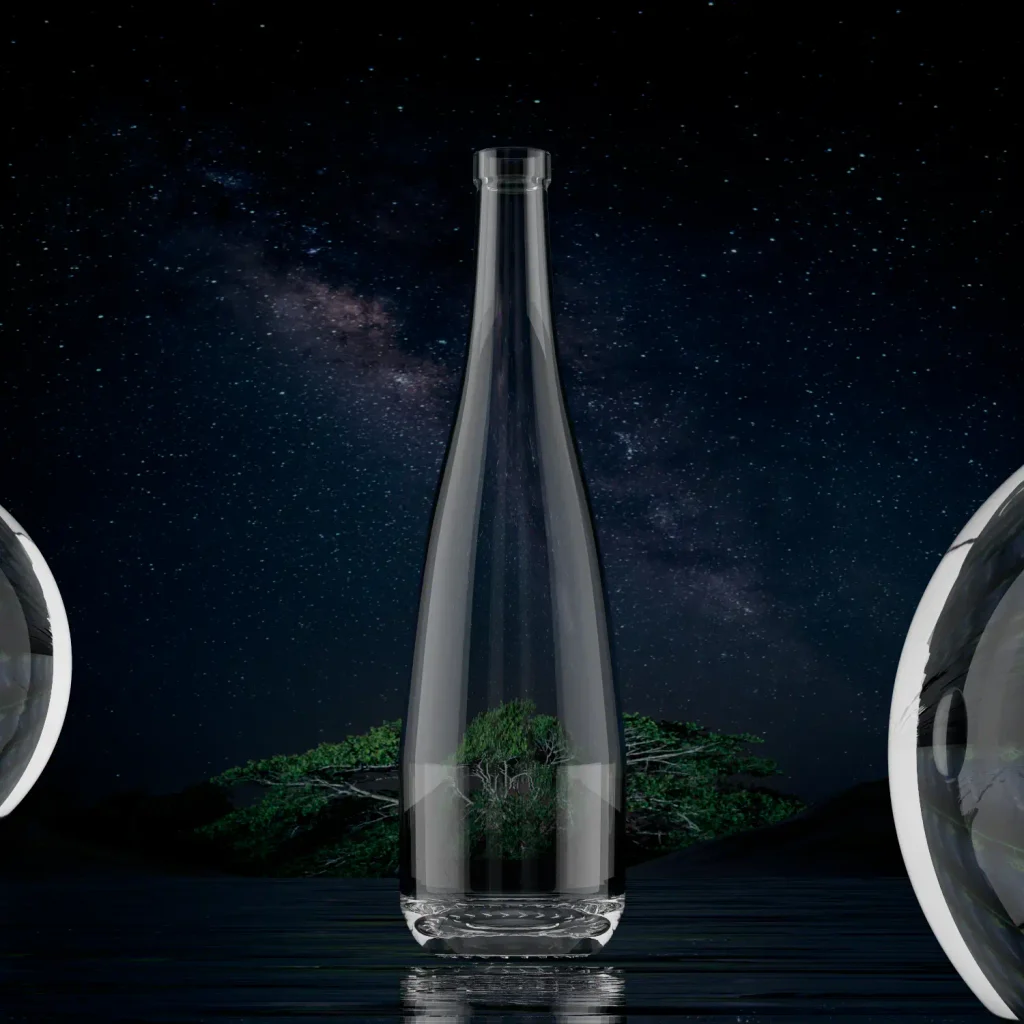
The proportions affect both appearance and handling. If the body is too broad or the neck looks too narrow, the bottle may feel out of balance, even when each part looks fine on its own.
Compare the design with the brand’s other products and check how it looks on a shelf. A sample can help you judge its size and shape in a real setting.
Problem 2: The Label Area May Not Work as Planned
A label can be harder to place neatly on a curved surface. If the bottle has a distinctive shape, decide early where the label and product information will go.
Review the bottle and label design together. This helps make sure the branding stays easy to read and fits the shape naturally.
How Custom Glass Water Bottle Development Works
Working Together on the Design
A custom bottle project often involves the brand, product designers, engineers, and the people making the mold. Each group sees the design from a different angle.
The brand understands how the bottle should look and what customers need to notice. The manufacturing team can help identify details that may need adjusting to make the design practical to produce.Our custom bottle design services can help you review the bottle shape, label area, and decoration.
Instead of asking only whether the bottle looks attractive, the team should also consider:
1.Where will the logo and label sit?
2.Does the bottle stand evenly?
3.Is the shape easy to handle?
4.How will the bottle fit into a carton?
5.Which design details are essential to the brand?
6.What can be adjusted without changing the overall look?
Sampling and Making Changes
A custom bottle rarely moves from the first drawing straight to final production. Samples give the team a chance to check how the shape looks and feels outside of a design file.
A development process may include:
1.Reviewing the initial drawing
2.Confirming the main shape and branding area
3.Preparing the mold design
4.Making an early sample
5.Checking the sample from different angles
6.Comparing it with the brand’s requirements
7.Adjusting details and reviewing another sample
One sample may look right from the front but reveal a proportion issue from the side. Another may have a good shape but need a wider label area.
That is why physical samples are useful. A drawing shows the intended design; a sample lets the team see and handle the bottle.
Balancing Appearance and Production
The final design needs to keep the features that make the bottle recognizable while staying practical to produce. That balance helps the brand get a bottle that looks right and can be made consistently.
A strong design should consider:
1.Brand appearance: Keep the shape clear and recognizable.
2.Everyday use: Make the bottle comfortable to hold and stable when placed down.
3.Production needs: Make sure the design can be repeated from one batch to the next.
A bottle does not need complicated details to stand out. A clean shape and a well-placed logo can be enough.
What Custom Bottle Development Involves
A Custom Bottle Is More Than a New Shape
A custom bottle starts with a design, but the final package depends on several connected decisions. The shape, glass, label area, decoration, and packing plan all affect one another.
The bottle also needs to fit the customer’s filling and handling process. A design may look appealing but create extra work if it is difficult to label or pack.
For buyers, it is helpful to discuss the full package early. That includes the bottle itself, decoration requirements, cartons, and shipping arrangements.
Explore our glass beverage bottles for more packaging options.
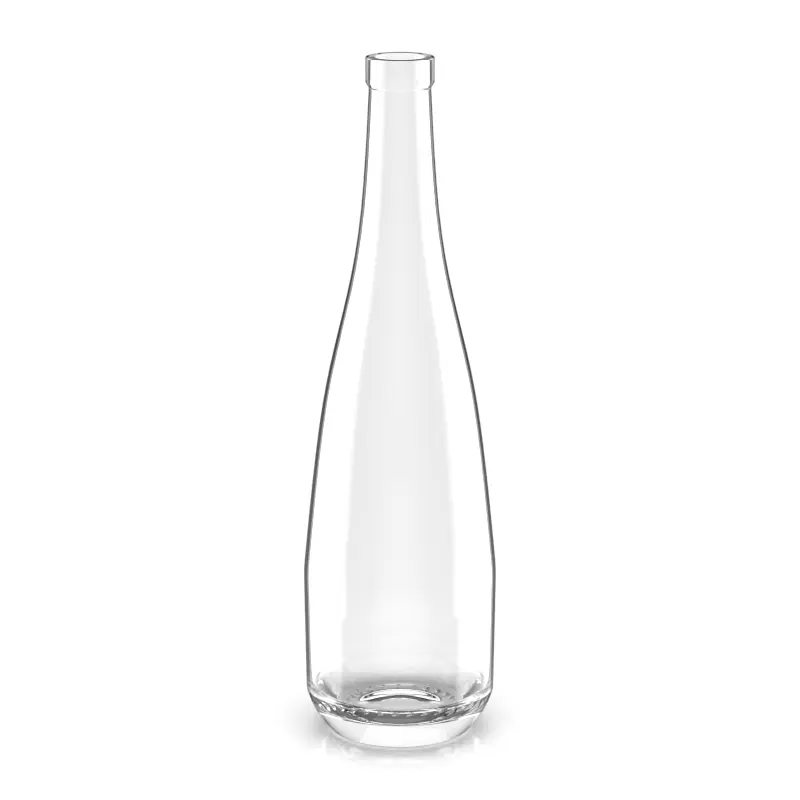
Why Manufacturing Experience Helps
Experience can help a team notice practical issues early and work through possible changes. It does not mean using the same design for every project; it means knowing what questions to ask before the bottle moves into a larger production run.
For one brand, a smooth surface may be the main priority. Another may care more about a distinctive shape or how the bottle looks in a gift set. The right design depends on the product and where it will be sold.
Clear communication helps the brand and supplier agree on the important details before confirming the final sample.
Moving from a Drawing to a Finished Product
For a brand, the first design is only the starting point. The supplier can review the idea, discuss production details, prepare samples, and help the brand decide whether any changes are needed.
This process may affect:
1.Mold development
2.Sample timing
3.Production planning
4.Label placement
5.Decoration options
6.Carton design
7.Shipping arrangements
The earlier these points are discussed, the easier it is to plan the project. It also gives the team a chance to catch a mismatch between the bottle design and the brand’s packaging needs.
A good bottle design connects the visual idea with the practical details of making and shipping it.
Why Brands Choose Custom Glass Water Bottles
Glass Can Give a Product a Clear, Familiar Look
Glass has a clean appearance that works for many water brands. A clear bottle also lets customers see the product inside, while the shape and label give the brand room to create its own look.
A custom design can build on that familiar material. The bottle may feel simple, refined, or more distinctive depending on its shape and decoration.
For a product range, using a consistent design style can help customers recognize the brand across different products.
The Design and Decoration Need to Work Together
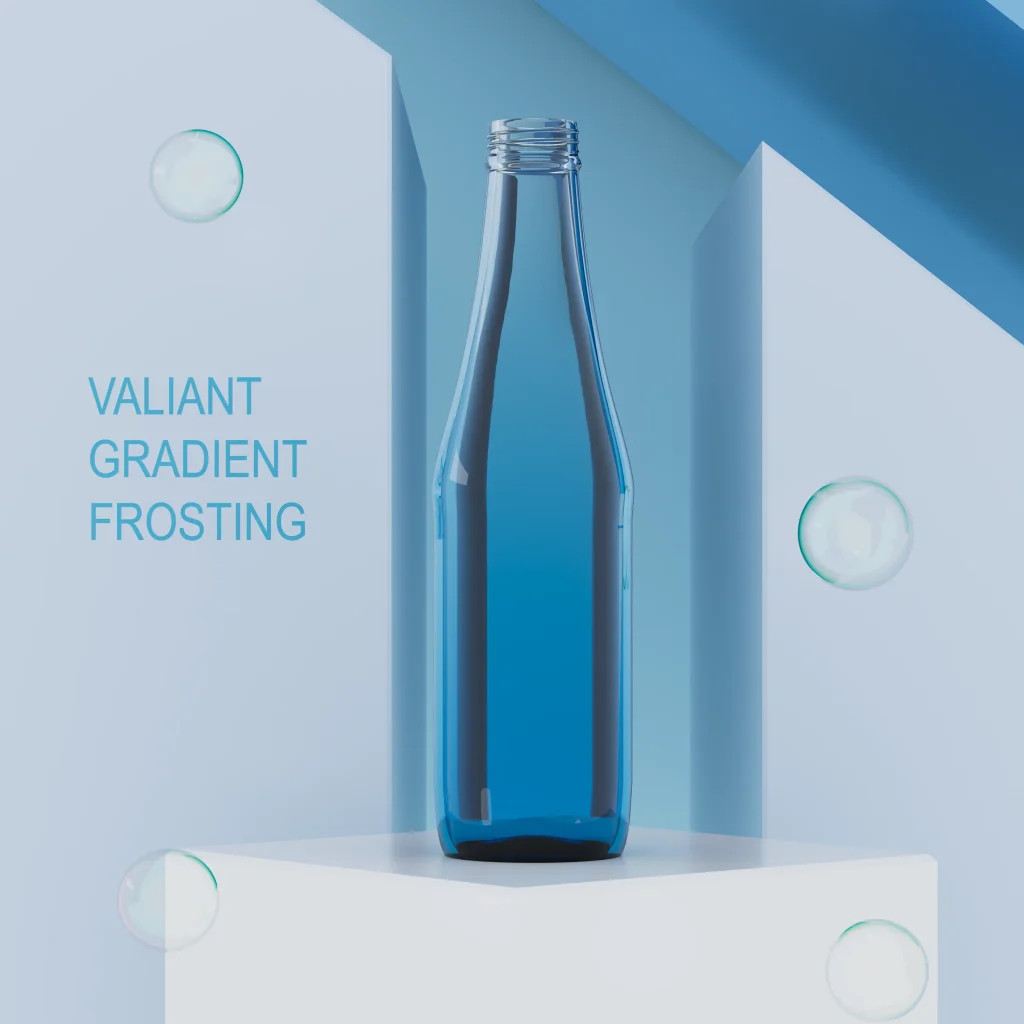
The shape of the bottle should suit the way the brand plans to label or decorate it. Labels, printing, frosting, and other finishes may work differently depending on the bottle’s surface.
Plan the branding area before the bottle design is finalized. That way, the logo and product information have room to sit clearly without fighting the shape.
The same goes for packing. A bottle’s look matters, but the full package still needs to work for storage, shipping, and handling.
Conclusion: Developing a Glass Water Bottle for Your Brand
A custom glass water bottle can help a brand create a recognizable look, but the design needs to work beyond the screen. Shape, balance, label space, handling, packing, and production all deserve attention.
The development process usually involves reviewing the design, making samples, checking the details, and adjusting the shape where needed. A few thoughtful changes early on can help avoid problems later.
For brands sourcing glass water bottles wholesale, it is useful to discuss the bottle and the rest of the packaging plan together. Ask about samples, decoration, cartons, and production timing before confirming an order.
A good design does not need to be complicated. It needs to suit the product, make sense for the customer, and work as a real bottle.
Start with the look you want, then check how that idea can be made and shipped. That is how a design becomes a bottle ready for your brand.
Custom Glass Water Bottles for Your Brand
Explore glass bottle designs and packaging options made to fit your product, branding, and wholesale needs.