
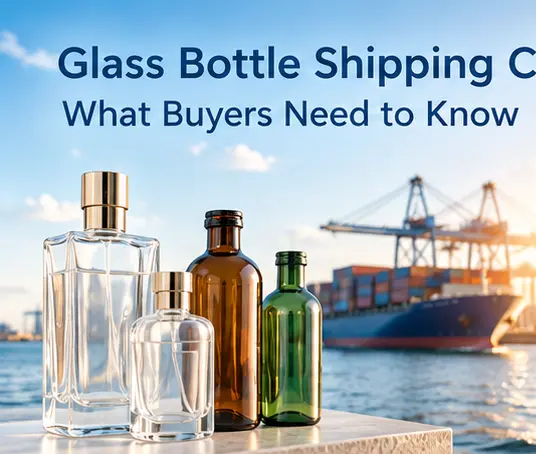
When buying glass bottles from China, the product price is only part of the total cost. Shipping can also take up a large part of your budget, especially for bulk orders.
For importers, wholesalers, and packaging buyers, choosing the right shipping method can help control costs and avoid delays. Sea freight is often a good choice for large orders, while air freight may be better when delivery time is more important.
So, how much does it cost to ship glass bottles? The answer depends on several factors, including your destination, order size, packaging, and shipping method.
In this guide, we explain what affects glass bottle shipping costs and how you can keep your shipping budget under control.
Table of Contents
1. What Affects Glass Bottle Shipping Costs?
Several factors determine the final cost of shipping glass bottles from China.
Shipping destination
Shipping costs vary by country and delivery location. A shipment going to the United States may have different freight rates and local charges from one going to Europe or Australia. Delivery to a warehouse or business address may also cost more than delivery to a port.
Order size and shipment volume
Larger orders usually cost more to ship in total, but the shipping cost per bottle may be lower. The key is how efficiently the bottles can be packed and transported.
Remember that glass bottles need protective packaging. Cartons, dividers, and pallets add weight and take up space, which can increase freight costs.
Shipping method
Sea freight, air freight, and express shipping have different prices and delivery times. The best option depends on how many bottles you need and when you need them.
Packaging
Good packaging helps protect glass bottles from damage during transport. However, larger cartons and extra packing materials can increase the shipment’s weight and volume.
Ask your supplier how the bottles will be packed and whether the quoted price includes export packaging.
2. Sea Freight vs. Air Freight
Sea Freight for Bulk Orders
Sea freight is often the most practical choice for large glass bottle orders because it generally costs less per unit than air freight.
There are two common options:
- FCL (Full Container Load): You book an entire container for your goods. This can work well for large orders.
- LCL (Less than Container Load): Your goods share container space with other shipments. This may suit smaller orders, although handling and destination charges can affect the final cost.
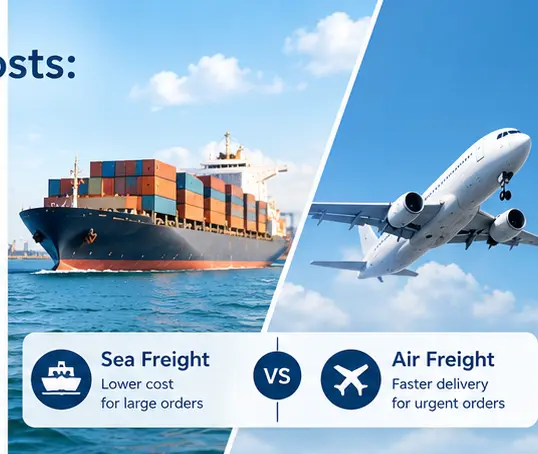
Sea freight takes longer than air freight. You should also allow time for customs clearance and delivery after the goods arrive.
If you have a planned production schedule, order early and ask your supplier for an estimated production and shipping timeline.
Air Freight for Urgent Orders
Air freight is faster than sea freight but usually costs more. It may suit urgent orders, samples, or smaller shipments.
Air freight charges are often based on actual weight or volumetric weight, whichever is greater. This means bulky cartons can be expensive to ship, even when the glass bottles themselves are not very heavy.
For large wholesale orders, compare air and sea freight quotes before making a decision.
What About Express Shipping?
Express shipping is useful for samples and small, urgent shipments. It often includes tracking and door-to-door delivery.
However, it can be expensive for bulk glass bottle orders. Before sending samples, confirm the courier fee, delivery time, packaging requirements, and any import charges.
3. How Packaging Affects Shipping Costs
Glass bottles need proper protection during transport. Depending on the bottle design and order size, suppliers may use dividers, inner boxes, protective materials, or pallets.
These materials help reduce breakage, but they also add weight and take up space. Since freight charges often depend on shipment weight or volume, packaging affects the final shipping cost.
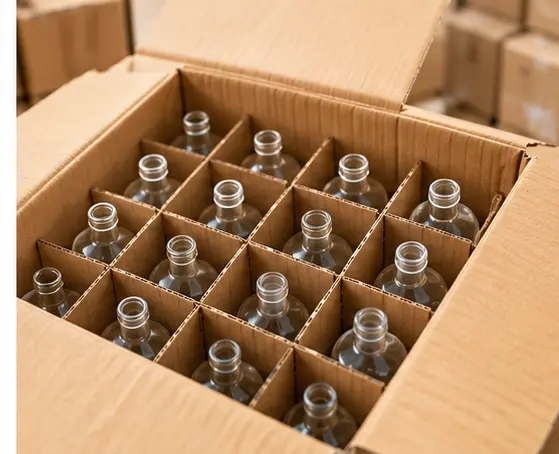
Trying to save money by using poor packaging can lead to broken bottles, replacement costs, and delivery delays.
Before placing an order, ask your supplier:
- How will the bottles be packed for export?
- Are dividers or inner boxes included?
- Will the shipment be palletized?
- Can the packaging use space more efficiently without reducing protection?
For regular orders, consider testing the packaging with a sample shipment before increasing the order quantity.
4. How to Reduce Shipping Costs for Bulk Orders
You cannot control freight rates, but you can make smarter shipping decisions.
Plan ahead. Last-minute orders may leave you with fewer shipping options. Ordering early gives you more time to compare prices and choose a suitable delivery schedule.
Compare the full cost. A low freight quote does not always mean a low final cost. Ask whether port charges, customs clearance, local delivery, duties, and taxes are included or charged separately.
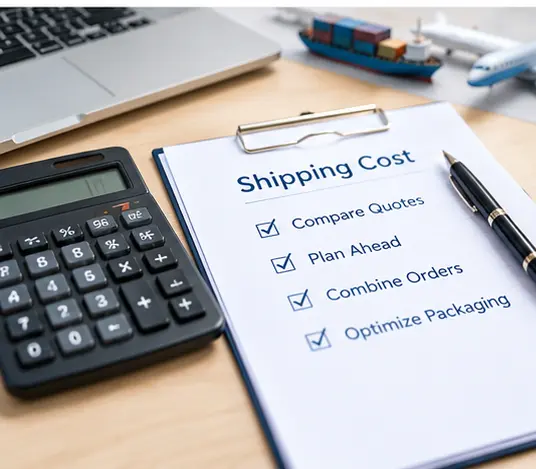
Combine orders when possible. If you buy different glass bottle models from the same supplier, ask whether they can be shipped together. Combining goods may help you use container space more efficiently, provided the products are ready at the same time.
Review your packaging. Ask your supplier whether cartons and pallets can be arranged more efficiently while keeping the bottles safe. Better use of space can help reduce shipping costs, especially for repeat orders.
5. What Buyers Should Confirm Before Shipping
Before confirming your order, make sure you understand the shipping arrangements.
First, ask for the total number of cartons or pallets, carton dimensions, gross weight, and shipment volume. Your freight forwarder will need this information to prepare an accurate quote.
Next, check the delivery terms. Incoterms such as FOB and CIF affect how costs and responsibilities are divided between the buyer and seller. If you choose door-to-door shipping, confirm exactly which services are included.
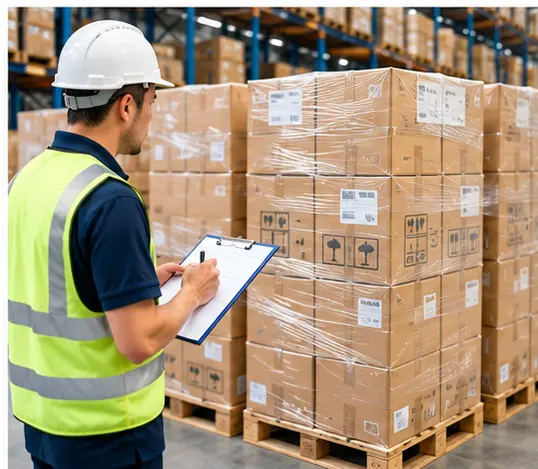
You should also ask for an estimated timeline covering production, packing, shipping, customs clearance, and final delivery. The sailing or flight time alone does not tell you when the goods will arrive at your warehouse.
Finally, confirm who will handle customs clearance and whether you need to arrange import documents, duties, or taxes.
6. Frequently Asked Questions
How much does it cost to ship glass bottles from China?
The cost depends on the destination, shipment size, packaging, shipping method, and delivery terms. To get an accurate quote, provide your supplier or freight forwarder with the destination, order quantity, carton dimensions, total weight, and preferred shipping method.
Is sea freight cheaper than air freight?
Sea freight is generally more economical for large shipments, while air freight is faster but usually more expensive. Compare quotes based on the same shipment details before choosing.
How can I prevent glass bottles from breaking during shipping?
Use suitable export cartons, dividers, and protective materials. Make sure the bottles are secured and cannot move around inside the cartons. Ask your supplier about its export packing method before placing a large order.
Can I ship samples before placing a bulk order?
Yes. Samples can often be sent by international courier. Confirm the sample cost, shipping fee, estimated delivery time, and whether the sample matches the bottle intended for mass production.
Get a Shipping Quote for Your Glass Bottle Order
Shipping costs are easier to manage when you plan ahead and provide accurate order details.
If you are sourcing glass bottles from China, prepare your bottle specifications, order quantity, destination, and expected delivery date before requesting a quote. This will help you compare shipping options and estimate the total cost more clearly.
Contact Valiant to discuss your glass packaging needs and ask about available products and shipping arrangements for your order.

Get in touch with our team to discuss your glass bottle order.
Note: Shipping rates and delivery times vary by route, carrier capacity, fuel prices, shipment size, and other conditions. Request an up-to-date quote before confirming your order.
Glass Bottle Shipping Costs: What Buyers Need to Know
Compare shipping methods, understand freight costs, and protect your glass bottle orders in transit.