Table of Contents
When consumers browse wine shelves, the wine glass bottle is often the first thing they notice before reading the label. A well-designed bottle communicates quality, tells a brand story, and protects the wine throughout storage and transportation. Whether you’re launching a boutique winery or expanding an international wine brand, selecting the right glass bottle can directly influence purchasing decisions and customer perception.
Today’s wine market is more competitive than ever. Beyond appearance, wineries are increasingly looking for lightweight materials, sustainable production methods, and customized decoration options that differentiate their products. At the same time, environmentally conscious consumers have created new demand for products such as recycled wine bottle glasses, encouraging brands to adopt greener packaging strategies.
In this guide, we’ll explore everything you need to know about selecting the ideal wine bottle for your business.
Why a Premium Wine Glass Bottle Matters
A wine bottle serves several important purposes beyond simply holding liquid. It protects wine from oxygen exposure, maintains flavor stability during storage, and creates an emotional connection with consumers.
High-quality glass bottles offer several advantages:
- Excellent chemical stability
- Superior oxygen barrier performance
- Premium shelf appearance
- High recyclability
- Long-term durability
- Compatibility with multiple closure systems
Luxury wine brands understand that packaging directly impacts perceived value. A heavier bottle with elegant proportions often suggests premium quality, while decorative finishes create a memorable first impression.
Types of Wine Glass Bottle Designs
Different wine styles traditionally use different bottle shapes. Understanding these options helps wineries create stronger brand recognition.
Bordeaux Bottles
Bordeaux bottles feature straight sides and high shoulders. They are commonly used for Cabernet Sauvignon, Merlot, Malbec, and many blended red wines.
Advantages include:
- Easy pallet stacking
- Strong appearance
- Excellent labeling area
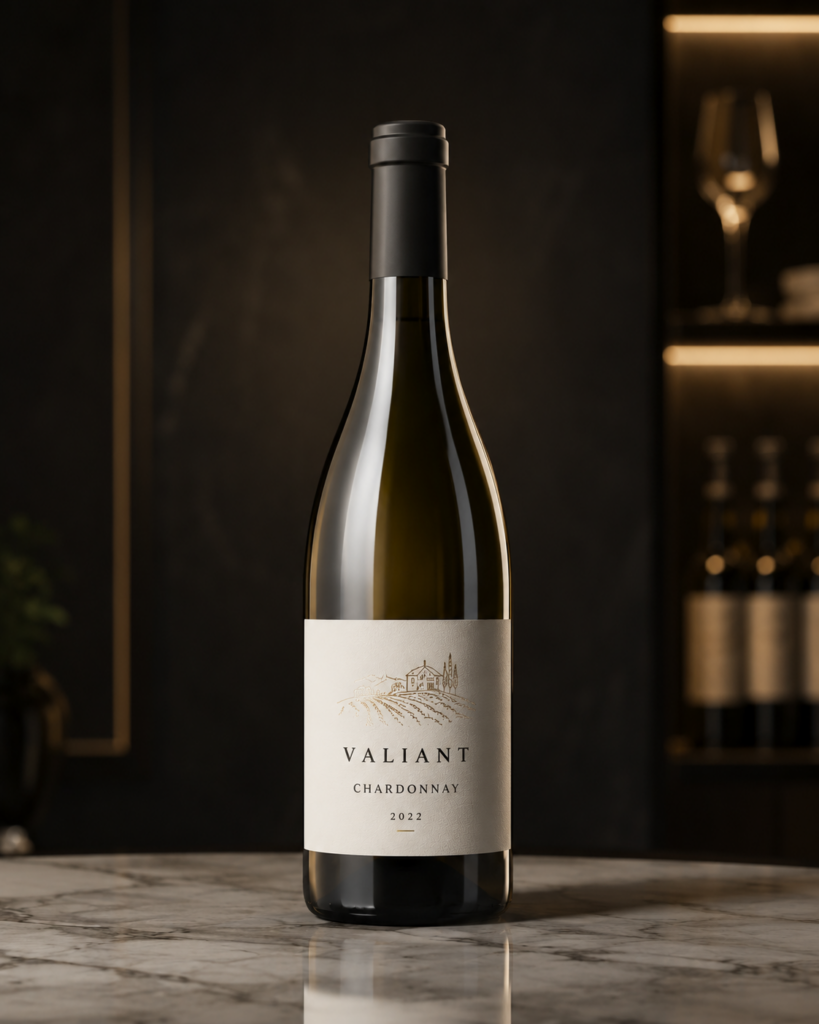
Burgundy Bottles
These bottles feature sloping shoulders and a wider body.
Best suited for:
- Pinot Noir
- Chardonnay
- Premium reserve wines
Their softer curves create a sophisticated appearance preferred by many premium wineries.
Rhine Bottles
Tall and slender, Rhine bottles are widely used for:
- Riesling
- Gewürztraminer
- Ice wine
Their elegant silhouette immediately communicates freshness and refinement.
Choosing the Right Wine Glass Bottle Material
Modern glass manufacturing offers multiple material options depending on branding and production requirements.
Super Flint Glass
Super flint glass provides exceptional clarity, making wine colors appear more vibrant. It is commonly used for premium white wines and rosé wines. Benefits include:
- Crystal-clear transparency
- Luxury appearance
- High gloss finish
Antique Green Glass
Green bottles remain one of the industry’s most popular choices because they help reduce UV exposure while maintaining a classic wine appearance. Ideal for:
- Red wine
- Cabernet Sauvignon
- Merlot
- Syrah
Amber Glass
Although less common for wine, amber bottles offer maximum UV protection and are sometimes selected for specialty products.
Sustainable Packaging and Recycled Wine Bottle Glasses
Environmental responsibility has become one of the biggest purchasing drivers in the beverage industry.
Many wineries now reduce their carbon footprint by:
- Increasing recycled glass content
- Lightweighting bottle designs
- Optimizing transportation efficiency
- Using recyclable closures and cartons
Another growing trend is recycled wine bottle glasses, where used wine bottles are transformed into drinking glasses, candle holders, and decorative products instead of entering waste streams.
These products extend the lifecycle of glass while supporting circular economy initiatives. Brands promoting recycled packaging often strengthen customer loyalty among environmentally conscious consumers.
Decoration Options for a Wine Glass Bottle
Customization helps brands stand out on crowded retail shelves. Popular decoration methods include:
Frosting
Creates a soft matte appearance suitable for premium wines.
Screen Printing
Provides durable, elegant graphics directly on the bottle.
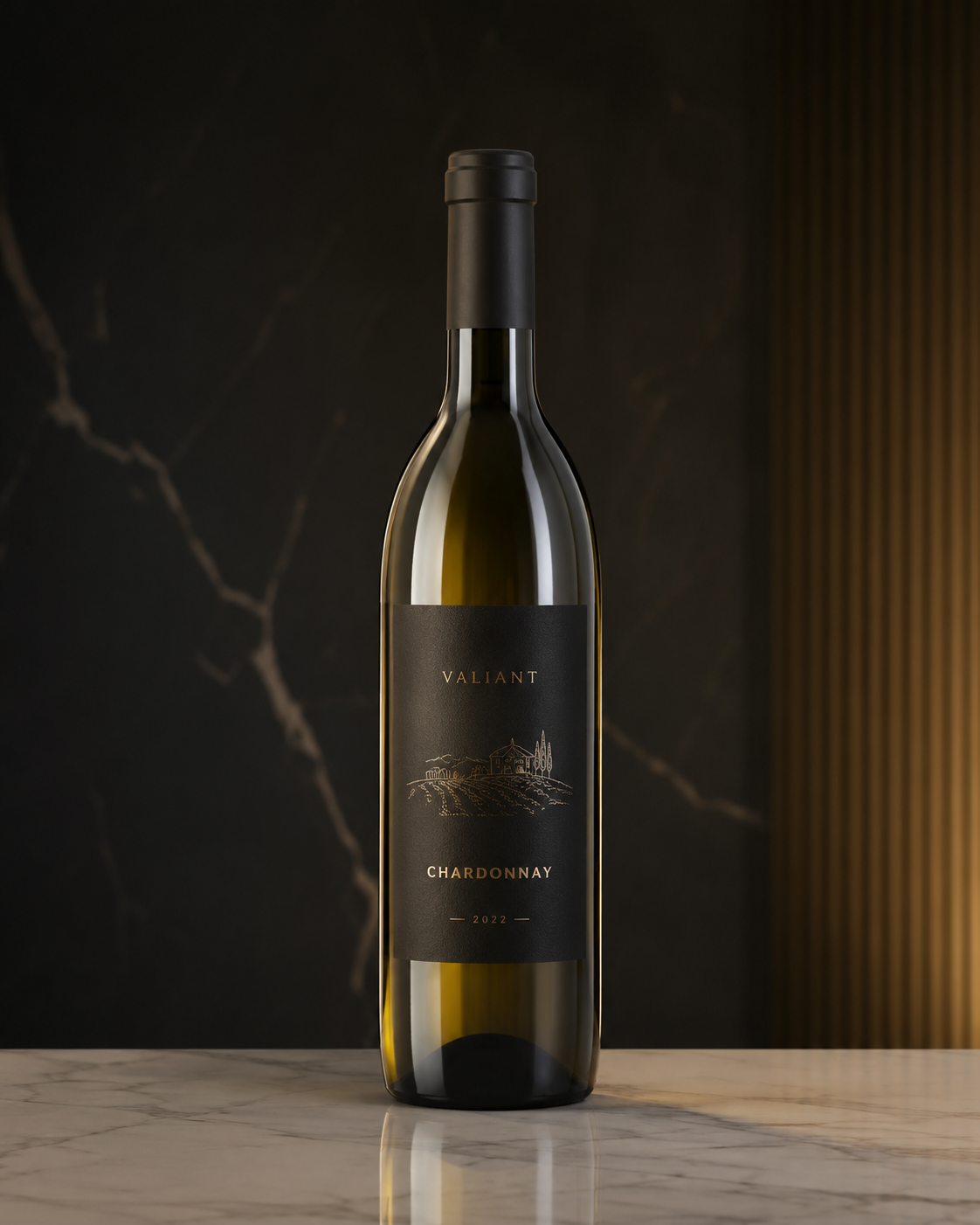
Hot Stamping
Adds metallic gold or silver accents for luxury branding.
Spray Coating
Available in matte, gloss, translucent, or gradient finishes.
Embossing
Raises logos or patterns directly into the glass, enhancing both appearance and tactile quality. Combining multiple decoration techniques creates a unique bottle identity that consumers remember.
How to Select the Best Wine Glass Bottle Supplier
Choosing the right supplier is just as important as choosing the bottle itself. A reliable manufacturer should offer:
- Stable production capacity
- Consistent quality control
- Food-grade certifications
- Multiple decoration services
- Custom mold development
- International export experience
- Flexible MOQ options
- Complete packaging solutions
Working with an experienced manufacturer also reduces supply chain risks and shortens product development cycles.
Trends Shaping the Future of Wine Glass Bottle Manufacturing
The wine packaging industry continues evolving through innovation. Emerging trends include:
Lightweight Bottles
Reducing bottle weight lowers transportation costs and carbon emissions without sacrificing strength.
Smart Manufacturing
AI-assisted inspection systems improve production accuracy and reduce defects.
Sustainable Materials
Manufacturers are increasing recycled glass content while maintaining excellent bottle clarity and strength.
Premium Minimalist Design
Clean bottle shapes with subtle decoration are becoming increasingly popular among premium wine brands.
Why Custom Wine Glass Bottle Solutions Create Stronger Brands
Custom packaging allows wineries to communicate their identity before consumers even taste the wine. Customized bottles help brands:
- Improve shelf recognition
- Increase perceived value
- Differentiate from competitors
- Build long-term customer loyalty
- Support premium pricing strategies
Whether it’s a unique bottle silhouette, embossed logo, or exclusive decorative finish, personalized packaging strengthens overall brand positioning.
Conclusion
Choosing the right wine glass bottle involves much more than selecting a container. Bottle shape, glass quality, decoration, sustainability, and manufacturing expertise all contribute to the success of a wine brand. As sustainability continues to influence purchasing decisions, innovations such as lightweight packaging and recycled wine bottle glasses are becoming increasingly valuable for wineries seeking to reduce environmental impact while enhancing brand image.
Partnering with an experienced glass bottle manufacturer ensures consistent quality, flexible customization, and dependable global supply, allowing wine brands to create packaging that protects their products while making a lasting impression on consumers.