
Abstract:
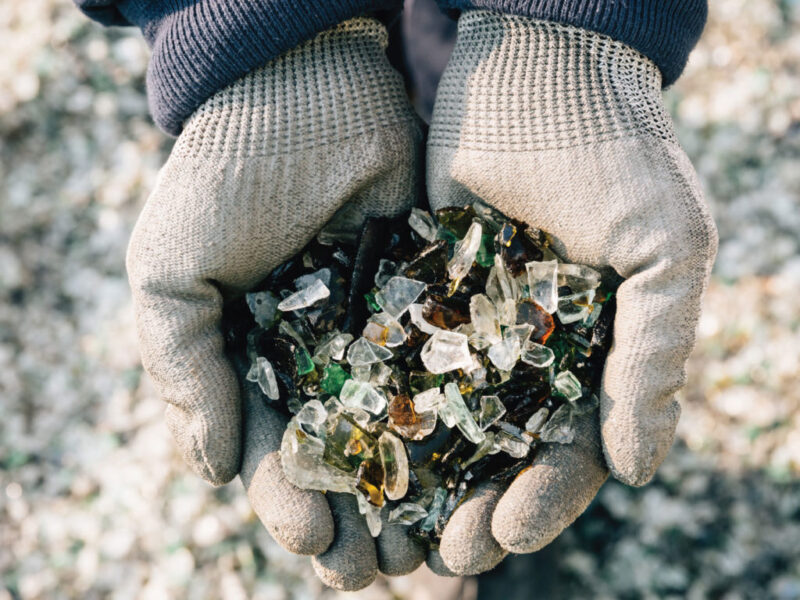
The global beverage industry is witnessing a fundamental shift in consumer engagement, where the glass vessel is no longer viewed as a single-use container but as a “raw material depot” for creative expression. Colloquially known as “Easy Bottle Art,” this movement is the grassroots manifestation of a multibillion-dollar intersection between the spirits industry and home decor. For packaging professionals, this trend is a powerful indicator of the demand for “keepable” packaging—vessels designed for a second life. This report analyzes the market drivers, technical enablers (such as wash-off labels and surface modification), and strategic implications for Shandong Valiant Packaging as we navigate the 2026 sustainability mandates.
The Resurgence of Glass and the Circularity Mandate
The practice of upcycling—or “eco-cycling”—has surged in popularity, driven by a global rejection of the “throwaway” consumer cycle and a collective rise in environmental mindfulness. This is not merely a hobbyist trend; it is reflected in the hard data of the packaging industry. The global glass packaging market is on a robust growth trajectory, valued at approximately 75.07 billion USD in 2025 and projected to reach 100.87 billion USD by 2032, maintaining a CAGR of 4.3%.
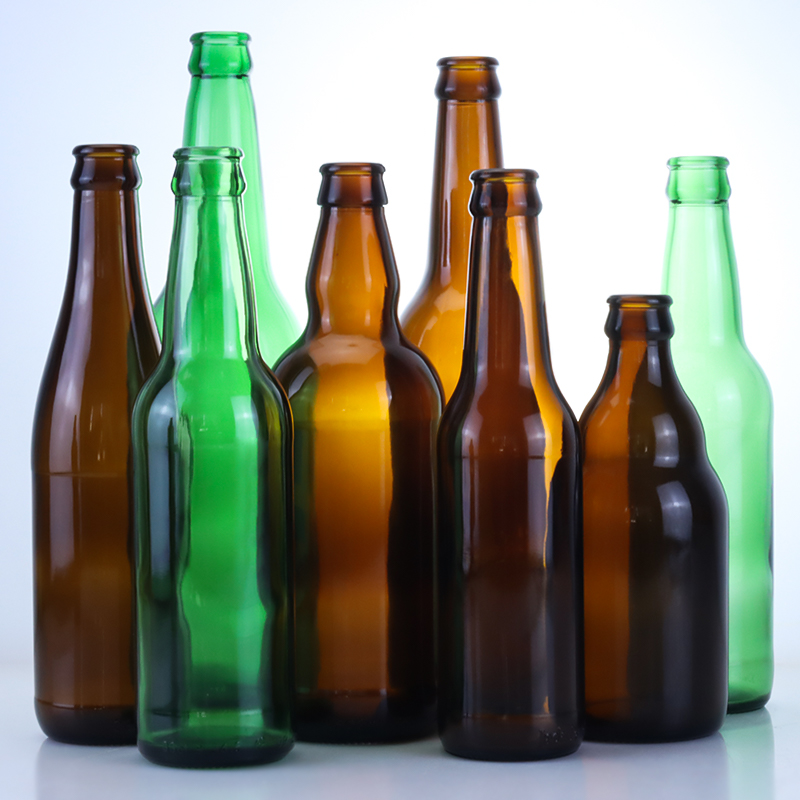
Remarkably, corporate sustainability initiatives are driving a massive return to glass. A 2025 survey revealed that 89% of premium brands plan to switch from plastic back to glass packaging by the end of 2026. This “glassification” is particularly evident in the Asia-Pacific region, which dominates the global market with a 48% volume share, fueled by rapid urbanization and a 7% annual rise in disposable income. In North America and Europe, the driver is “Quiet Luxury”—a movement where 73% of consumers prefer glass because it conveys better taste and infinite recyclability. The “Easy Bottle Art” trend capitalizes on this premium perception, turning discarded spirit bottles into high-value home artifacts, thereby extending the brand’s presence in the consumer’s home indefinitely.
Technical Enablers of the “Second Life” Bottle
To transition a bottle from a commercial container to an artistic canvas, the packaging industry must address specific technical barriers. “Easy Bottle Art” requires a vessel that is aesthetically distinct and technically “upcycle-friendly.”
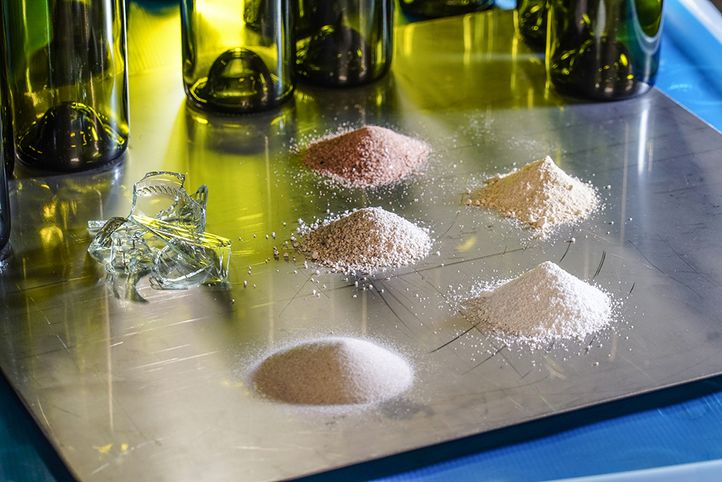
Adhesion Science and Surface Treatment: Glass is a non-porous material that naturally resists paints and adhesives. For a bottle to support art, industrial surface modifications such as “Openair-Plasma” or flame treatment are becoming standard. These processes increase surface tension and wettability, ensuring that artistic topcoats or premium labels bond effectively without peeling.
The Wash-Off Label Revolution: One of the primary obstacles to bottle upcycling has been adhesive residue. Leading innovators like Avery Dennison have introduced “AD CleanGlass” and “MultiCycle” technologies. These labels utilize wash-off adhesives that “switch off” in 80°C caustic baths, allowing for residue-free removal . For the consumer, this makes “Easy Bottle Art” truly accessible, as the bottle can be cleaned and rebranded in minutes. For the industry, this technology enables returnable glass systems that can survive over 30 cycles of reuse.
Engineering “Lightweight Luxury”: The industry is moving away from “heavy luxury” toward “delicate engineering.” A prime example is the Johnnie Walker Blue Label Ultra, which at 180 grams is the world’s lightest 70cl glass bottle. This project utilized a teardrop shape—the most structurally sound form for thin-walled glass—while retaining brand identity through flattened sides. Such innovations reduce the carbon footprint of production (glass saves 0.5g of carbon for every 1g of weight reduced) while providing a sleek, modern silhouette that artists find highly desirable.
Strategic Roadmap for Shandong Valiant Packaging
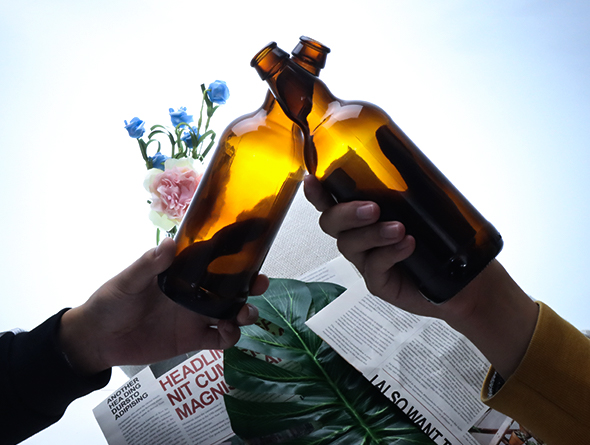
For Shandong Valiant Packaging, the “Easy Bottle Art” movement represents a significant opportunity to lead in the “Specialty Glass” segment. As a vertically integrated company with over 3,000 existing molds and advanced crystal material handmade lines, we are uniquely positioned to serve this evolving market.
- Feasible Innovation – The “Keepable” Design: We recommend our design department focus on custom silhouettes with “Universal Design” principles—ergonomic shapes that double as sculptural decor. Incorporating haptic finishes, such as deep embossing, frosting, and acid etching, increases “dwell time” on the shelf and enhances the bottle’s value as a permanent home object.
- Strategic Expansion of the “Artist Series”: Valiant has already successfully launched the “Artist Series” catalog, offering curated bottle collections in smaller quantities to support creative entrepreneurs on platforms like Etsy and Alibaba. We should expand this by offering “Art-Ready” kits—bottles pre-treated for adhesion and paired with wash-off labels—directly to craft beverage brands looking for a high-engagement marketing strategy.
- Smart Packaging Integration: Looking toward 2026, we should continue our R&D into “smart bottles” that utilize Next-Gen QR codes or NFC tags. These digital portals can provide consumers with upcycling tutorials, brand heritage stories, or augmented reality (AR) experiences, effectively turning the physical bottle into a storytelling platform.
Conclusion and Outlook
The bottle of the future is no longer a mere container; it is an artistic artifact and a sustainable asset. The “Easy Bottle Art” movement is the ultimate endorsement of glass as the premier material for the circular economy. As regulatory pressures like the EU PPWR 2030 mandate recyclability and reuse, the brands that thrive will be those that view their packaging as a long-term investment in consumer lifestyles. Shandong Valiant Packaging remains committed to providing the technical precision and creative versatility required to turn every vessel into a masterpiece.