
Table of Contents
Oxy-Fuel Decarbonization is the defining technological shift for the global glass industry as we move toward the 2030 net-zero milestones. On March 31, 2026, Toyo Glass Co., Ltd., a subsidiary of the Toyo Seikan Group, officially launched Japan’s first large-scale glass melting furnace utilizing this advanced combustion method at its Kashiwa plant. With a production capacity exceeding 200 tons per day (TPD), this project proves that high-volume manufacturing can finally be decoupled from traditional carbon-intensive energy profiles. For global beverage giants and premium packaging suppliers, this is not just an equipment update; it is a fundamental shift in the global supply chain architecture.
Abstract and Introduction to Oxy-Fuel Decarbonization
The operationalization of the Toyo Glass Kashiwa furnace marks the industrial maturity of Oxy-Fuel Decarbonization as a scalable solution for container glass. By replacing traditional combustion air with high-concentration oxygen, the system eliminates nitrogen from the furnace atmosphere, improving heat transfer efficiency and reducing greenhouse gas (GHG) emissions by approximately 20% per unit. This development is directly relevant to the spirits and wine industries, where glass bottles often represent up to 50% of a brand’s total carbon footprint.
Global beverage leaders like Diageo, Heineken, and Pernod Ricard have set ambitious Scope 3 targets for 2030. Diageo, for instance, aims to reduce its value chain emissions by 26% and increase recycled content in packaging to 50% by 2030. In this context, sourcing glass from facilities that employ Oxy-Fuel Decarbonization is becoming a critical requirement for premium brand partnerships. This analysis evaluates the technical impacts of the Toyo Glass project and provides strategic recommendations for Shandong Valiant Packaging to maintain its global leadership across 150 countries.
The Fundamentals of Oxy-Fuel Decarbonization
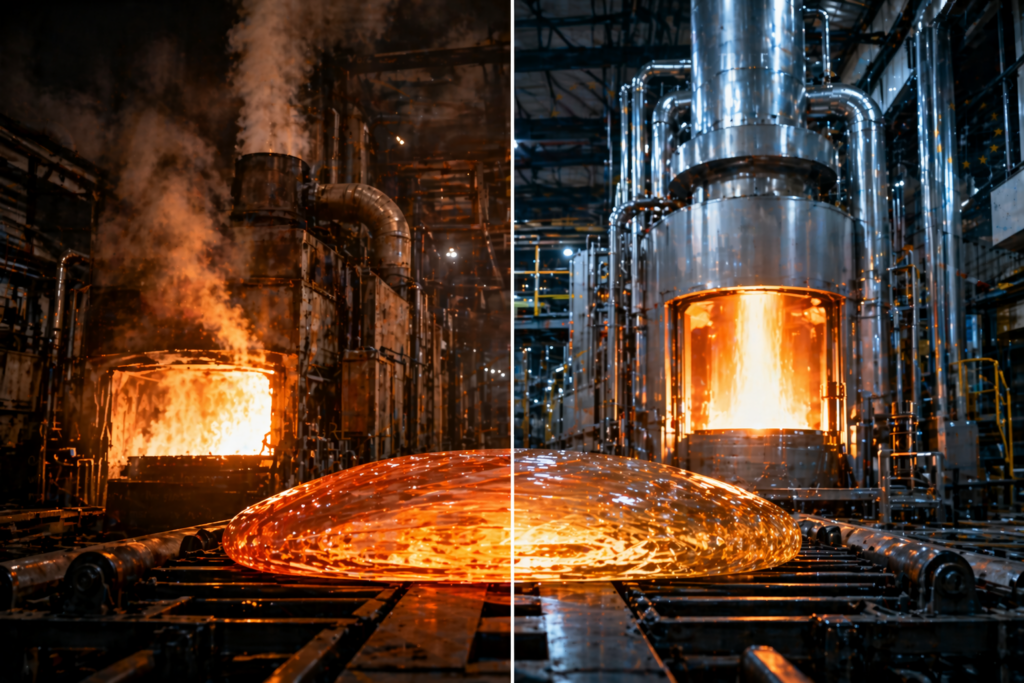
The transition to Oxy-Fuel Decarbonization at the Kashiwa plant fundamentally alters the thermodynamics of glass melting. Traditional air-fuel furnaces use regenerators—large chambers of refractory bricks—to preheat incoming air. Because nitrogen makes up about 80% of ambient air, it acts as a thermal ballast, absorbing and wasting significant energy.
The Toyo Glass system uses oxygen with a purity exceeding 90%, allowing for combustion without nitrogen interference. This results in a higher flame temperature and more efficient radiant heat transfer to the glass melt.
| Technical Parameter | Specification / Impact |
| Operation Start | March 31, 2026 |
| Production Capacity | >200 Tons/Day (TPD) |
| Direct GHG Reduction | ~20% compared to air-fuel |
| Fuel Efficiency | Potential savings of 10% to 30% |
| Equipment Innovation | Elimination of traditional regenerators |
| NOx Emissions | Reductions of 30% to 90% |
The elimination of the regenerator is one of the most significant benefits of Oxy-Fuel Decarbonization. This allows for a slimmer furnace footprint and significant “resource conservation” by reducing the volume of refractory bricks needed for construction and maintenance. Furthermore, the lack of nitrogen prevents the formation of thermal nitrogen oxides (NOx), a major air pollutant, by up to 90%.
Impact on Beverage Packaging and Trade
The deployment of Oxy-Fuel Decarbonization technologies has profound implications for bottle quality, lightweighting potential, and total supply chain costs.
Enhancement of Glass Quality and Optical Purity
A key technical byproduct of Oxy-Fuel Decarbonization is the increase in water vapor concentration within the furnace atmosphere. In oxy-fuel furnaces, water vapor content is typically 50% to 65%, compared to 15% to 20% in air-fuel furnaces. This water-rich environment acts as a fining agent, facilitating the faster removal of “seeds” (microscopic bubbles) and improving glass homogeneity.

For premium spirits like vodka, gin, and tequila, where bottle clarity is synonymous with quality, this ensures a superior optical finish. High-quality flint glass produced this way prevents unwanted chemical interactions, preserving the flavor integrity of the spirit during shipping.
Accelerating the Sustainability Roadmap through Lightweighting
Oxy-Fuel Decarbonization provides the necessary thermal stability to produce high-strength, lightweight glass. Lightweighting is the most effective strategy for reducing transport emissions, which are a major component of a bottle’s lifecycle carbon footprint.
- Wine Bottles: Trends indicate a reduction from 450g to <350g, cutting transport $CO_2$ by ~30%.
- Spirit Bottles: Brands are balancing “visual weight” (premium feel) with carbon targets by utilizing more homogeneous, high-strength glass.
In the Americas, demand for sustainable packaging is projected to drive glass container growth at a CAGR of 3.7% through 2030. The Toyo Glass model proves that low-carbon glass can maintain the mechanical strength required for carbonated beverages like champagne, which requires 6 atmospheres of pressure resistance.
Navigating Global Trade and Carbon Tariffs
The transition to Oxy-Fuel Decarbonization is also a defensive strategy against evolving trade regulations. The European Union’s Carbon Border Adjustment Mechanism (CBAM) entered its definitive implementation phase in 2026. While currently focused on primary materials, the eventual inclusion of glass is highly likely, given that China dominates 36% of EU glass imports.
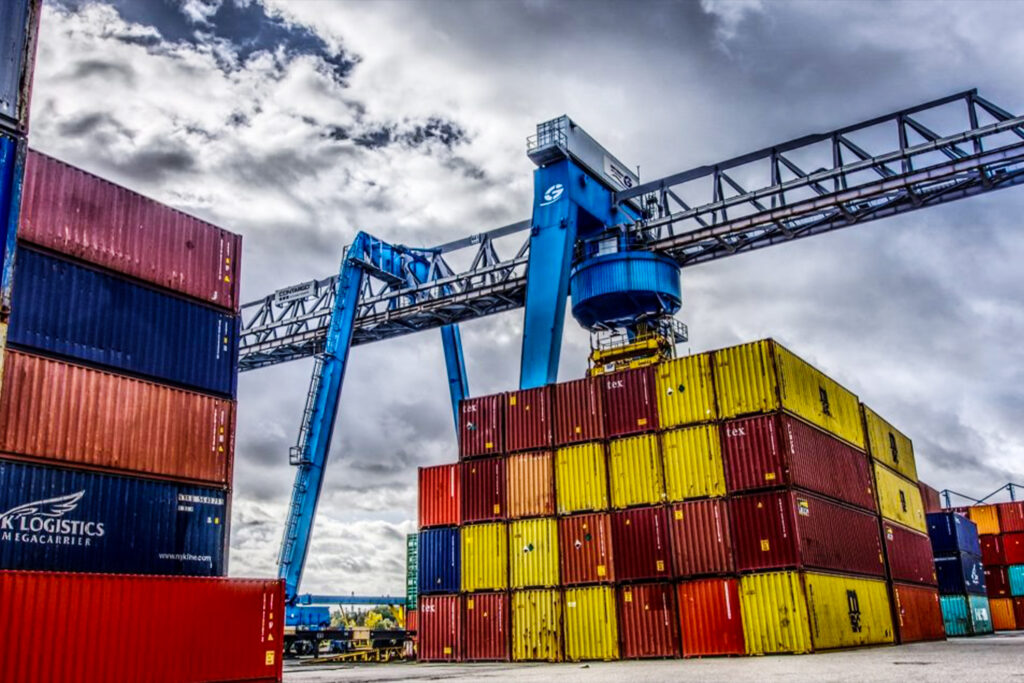
For global exporters, the carbon intensity of a bottle will directly affect its landed cost in Europe. Facilities that adopt Oxy-Fuel Decarbonization or electric-hybrid melting will be better positioned to maintain price competitiveness in international trade.
Strategic Recommendations for Shandong Valiant Packaging
As a leading player in the premium spirit bottle market, Shandong Valiant Packaging must benchmark its future investments against the Oxy-Fuel Decarbonization standards set by Toyo Glass.
1. Modernization of Primary Melting Facilities
Valiant should evaluate the feasibility of converting its primary melting tanks to full oxy-fuel or intensive electric boosting. Integrating Vacuum Swing Adsorption (VSA) units for on-site oxygen generation can lower operational costs by 30% compared to purchased liquid oxygen. This “integrated system” approach is essential for meeting the Scope 3 targets of global clients like Diageo and Heineken.
2. “Sustainable Premiumization” Design Philosophy
Valiant Packaging is renowned for its high-end custom designs and decoration services. The company should pioneer a movement focused on Oxy-Fuel Decarbonization as a hallmark of luxury.
- Visual Weight vs. Physical Weight: Develop bottles that maintain a heavy-base premium aesthetic through clever geometry, while reducing total glass weight by 10-15%.
- Ultra-Clear Sustainability: Position Valiant as the premier supplier for high-end spirits by emphasizing the superior clarity and “seeds-free” quality offered by oxy-fuel melting.
3. Strengthening Supply Chain Transparency
To combat potential trade barriers, Valiant must establish a rigorous carbon footprint auditing system.
- Carbon Auditing: Providing verified carbon-per-bottle data will allow international clients to accurately report their value chain emissions.
- Recycled Cullet Utilization: Every 10% increase in cullet share reduces energy consumption by 3%. Combining high-cullet batches with Oxy-Fuel Decarbonization will create the most eco-friendly packaging in the world.
Conclusion and Outlook for Oxy-Fuel Decarbonization
The successful operation of the Toyo Glass furnace at the Kashiwa plant signals the end of the experimentation phase for Oxy-Fuel Decarbonization. It is now the standard for industrial excellence in a carbon-conscious world. We predict that by 2030, the adoption of oxy-fuel or electric-hybrid furnaces will be the entry requirement for any manufacturer serving the global premium beverage market.
For Shandong Valiant Packaging, the path forward is clear: integrate sustainability into the core of our manufacturing and design. By embracing Oxy-Fuel Decarbonization, we ensure that our bottles remain as responsible as they are refined, securing the long-term success of our global partners.