
Transform Your Brand with Custom Liquor Bottles
- Custom Liquor Bottles: How Premium Glass Packaging Elevates Your Spirits Brand
- The Glass Renaissance: Strategic Analysis of the “World Plastic Free Packaging” Movement and its Impact on Global Spirit and Beverage Supply Chains
- UV Printed Glass Bottles: 5 Revolutionary Strategic Insights for 2026 Global Beverage Packaging
- Why Glass Remains the Unrivaled Gold Standard for Food and Beverage Packaging
- The Structural Convergence of Luxury Cosmetic Glass Innovation and the Premium Spirits Packaging Value Chain: A Strategic Outlook for 2026
Table of Contents
Abstract
In the spirits industry, packaging is far more than a functional vessel—it is a game of optics and a balance of physics. As the global market shifts toward “Premiumization” in 2026, the tactile feedback of the bottle, the refractive index of the glass, and even the “pop” of the cork have become core competitive advantages. As manufacturers, we don’t just see glass; we see the critical three seconds your brand has to win over a consumer on the shelf.
The Pedigree of Material: Why “Extra Flint” is the Only Choice for Premium Spirits
To enhance brand identity, many companies are turning to Custom Liquor Bottles that reflect their unique character.
Moreover, Custom Liquor Bottles can be tailored to incorporate brand storytelling, enhancing emotional connections.
Custom Liquor Bottles play a crucial role in enhancing brand identity and consumer appeal.
Using Custom Liquor Bottles can significantly impact consumer perception and brand loyalty.
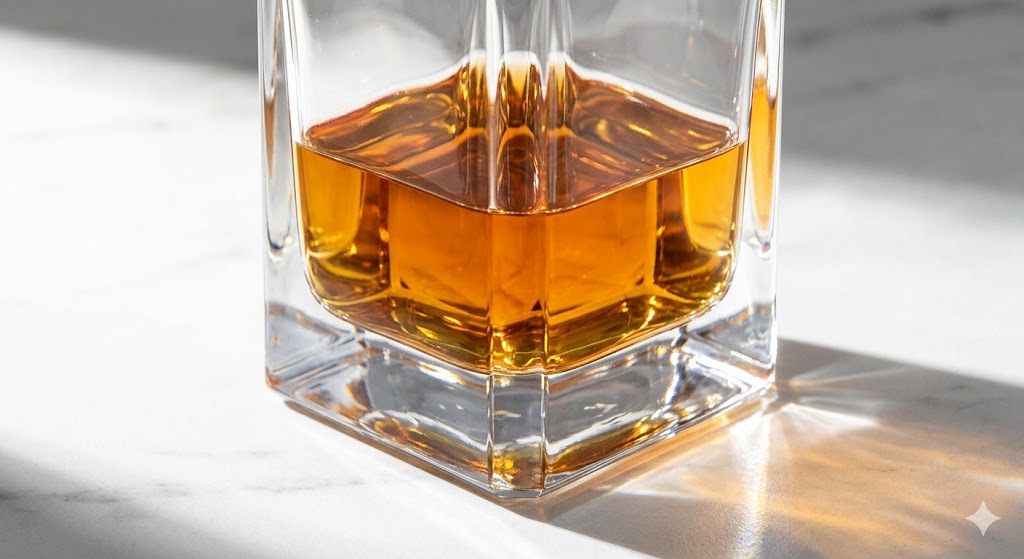
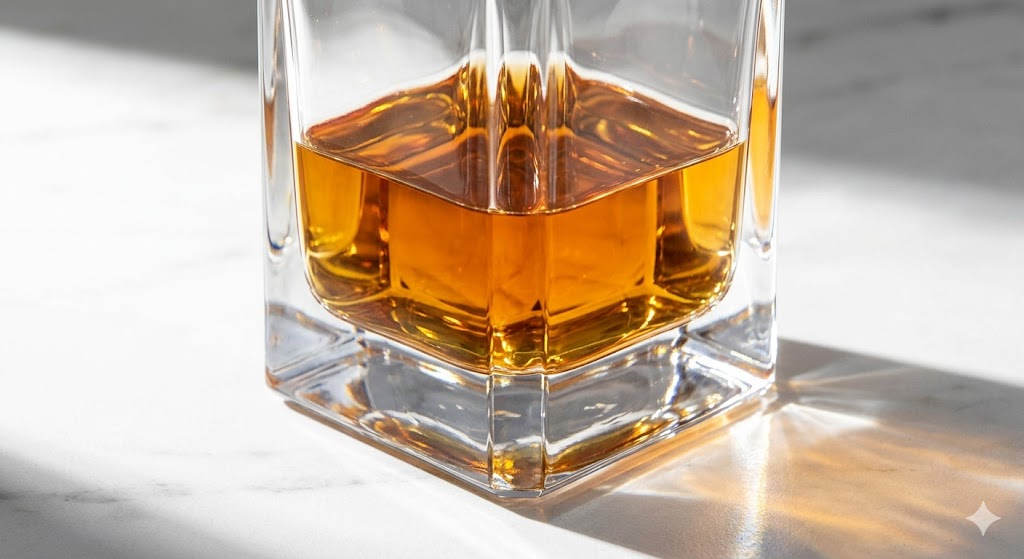
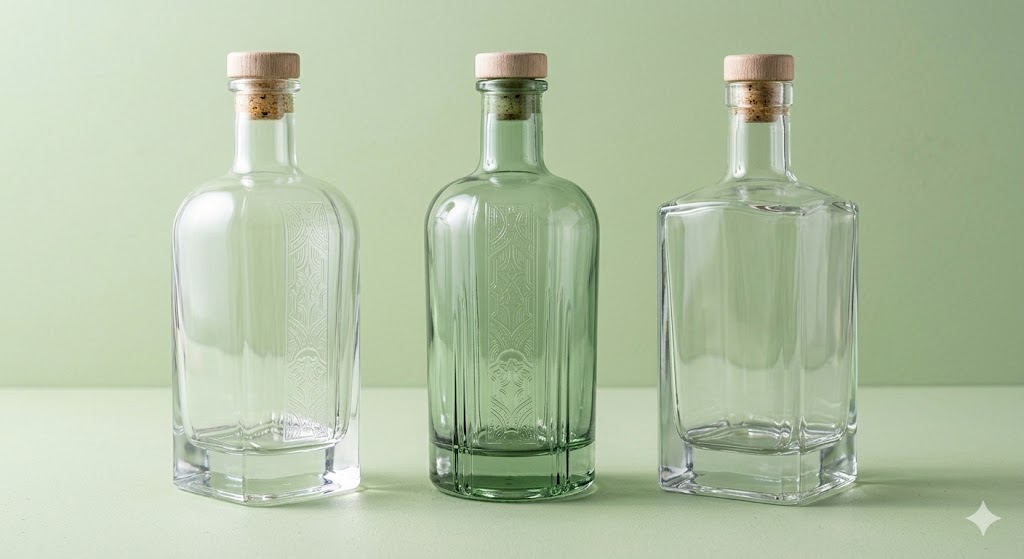
At the source of manufacturing, everything is determined by the “batch” formula. Many procurement managers focus solely on unit price, overlooking the subtle “color tint” of the glass. Standard Flint Glass often carries a persistent green or yellow hue under sunlight due to iron impurities in the silica sand. For high-end Vodka or Whiskey, Extra Flint Glass is the non-negotiable standard. To achieve crystal-like transparency, we must source high-purity silica and utilize expensive rare-earth decolorizers.
The versatility of Custom Liquor Bottles allows brands to experiment with different shapes and sizes.
For distilleries, investing in Custom Liquor Bottles is essential for standing out in a crowded market.
According to FEVE (The European Glass Container Federation)
, chemical stability is paramount for flavor retention. Low-quality glass can undergo trace ion exchange over long storage periods, tainting the spirit’s profile. In 2026, with rising consumer scrutiny, brands must select suppliers compliant with FDA (U.S. Food and Drug Administration) or even stricter EU standards. This isn’t just about aesthetics; it’s about avoiding heavy metal (lead/cadmium) detection traps in global trade.
Investing in Custom Liquor Bottles is essential for brands seeking to stand out in a crowded marketplace.
The Art of the Mold: Physical Details That Challenge Designers and Engineers
In summary, Custom Liquor Bottles are a vital component of branding in the spirits industry.
Custom Liquor Bottles can also reflect the heritage and craftsmanship behind the spirits.
The soul of a custom bottle lies in the Private Mold. However, the path from a 3D design to a production-ready bottle is fraught with physical limitations. Designers often chase sharp 90-degree edges or ultra-thin profiles, which are inherently dangerous in glassmaking. When molten glass at 1500°C enters a mold, it behaves like a high-viscosity fluid; a flat shoulder design leads to uneven “gob” distribution, creating thin, fragile spots.
Designing Custom Liquor Bottles requires careful attention to detail to ensure functionality and aesthetic appeal.
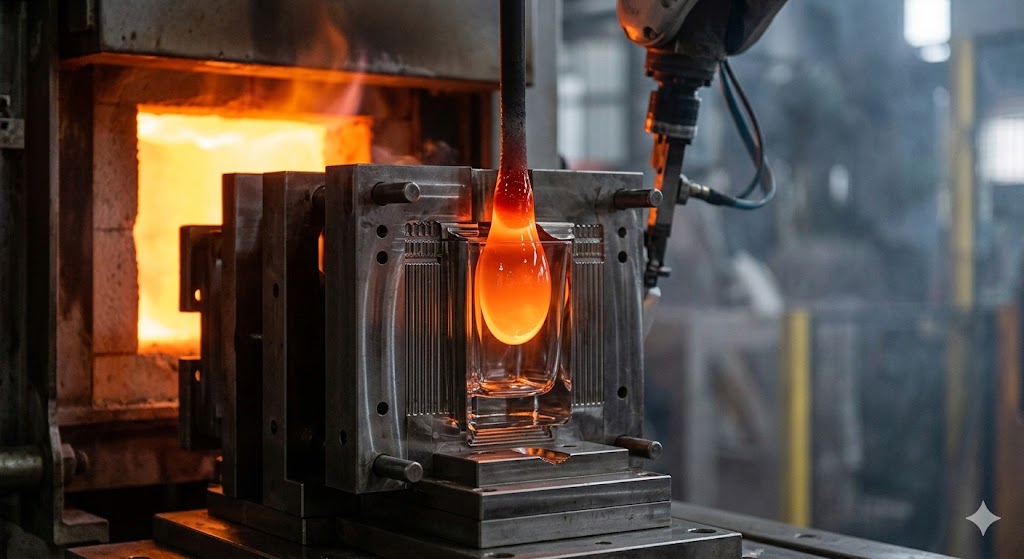
We utilize Computational Fluid Dynamics (CFD) to predict glass flow before a single mold is cut. A successful custom bottle must have its internal stresses perfectly released in the Lehr (Annealing Oven). If the cooling curve is mismanaged, the bottle may look perfect but contain internal tension like a cocked spring, prone to shattering during high-speed filling or transit. Furthermore, 2026 marks the rise of Integrated Anti-Counterfeiting Embossing. Sub-micron engraving inside the mold creates a tactile visual depth that serves as a physical barrier against forgery. Refer to International Society of Glass (ISG) standards to ensure embossing angles allow for clean de-molding without scuffing.
With Custom Liquor Bottles, brands can convey their unique story and heritage through design.
High-quality Custom Liquor Bottles enhance the perception of premium products.
Technical Indicators & Quality Thresholds for Custom Spirits Bottles
Brands that utilize Custom Liquor Bottles often experience a higher rate of customer retention.
Ultimately, investing in Custom Liquor Bottles is a strategy that pays off in customer engagement.
| Dimension | Industry Standard | Premium Custom Grade | Brand Impact |
| Verticality Deviation | ≤ 1.5mm | ≤ 0.8mm | Critical for automatic filling efficiency |
| Annealing (Stress Level) | Grade 3-4 | Grade 1-2 (A-Grade) | Determines safety during transit |
| Capacity Tolerance | ± 5-10ml | ± 2-3ml | Ensures uniform fill-levels on shelf |
| Base Weight Ratio | 1:0.8 | 1:1.2 (Heavy Base) | Directly correlates to “Luxury Hand-feel” |
| Lead/Cadmium Leaching | Compliant | Zero (Lead-Free Batch) | Essential for export & health claims |
When it comes to creating a lasting impression, Custom Liquor Bottles play a pivotal role.
Decoration and Closures: Crossing the Bridge from “Product” to “Art”
With innovations in design, Custom Liquor Bottles can now feature intricate details that catch the eye.
Integrating sustainable practices in the production of Custom Liquor Bottles is becoming increasingly important.
As trends evolve, the demand for Custom Liquor Bottles continues to grow.
If the bottle is the skeleton, the decoration is the “skin” that gives it soul. Frosting, coating, silk-screening, and foil stamping each have physical boundaries. For example, Chemical Frosting—though more costly than sandblasting—provides a silk-like texture that sandblasting cannot replicate. For 2026, premium brands are pivoting toward High-Temperature Lead-Free Inks. These inks fuse with the glass at over 600°C, ensuring the logo never peels or fades, even when submerged in ice or exposed to high-alcohol spills.
Choosing the right materials for Custom Liquor Bottles can make a significant difference in product success.
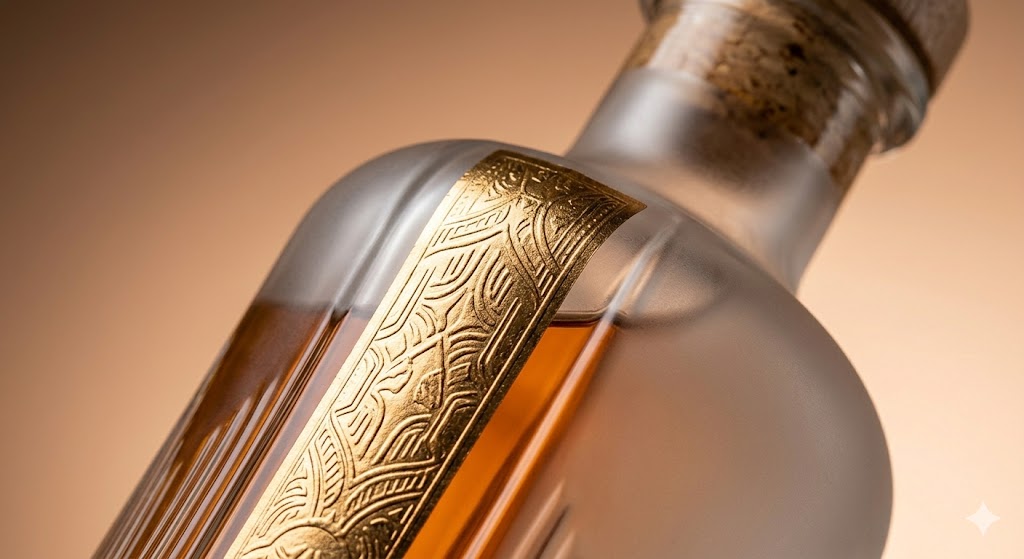
Closure matching is the most common “pitfall.” We have seen countless cases where a stunning bottle fails because the neck’s Inside Diameter (ID) tolerance was off by 0.5mm, causing cork leakage. A mature solution must account for cork density, thread specifications (like GPI standards), and anti-refill fitments. Per Glass Packaging Institute (GPI) guidelines, high-end spirits should utilize weighted bases paired with precision-cut corks to ensure the “opening experience” meets luxury psychological expectations.
2026 Global Supply Chain: Compliance in the Low-Carbon Era
Effective marketing strategies often highlight the uniqueness of Custom Liquor Bottles to attract consumers.
Custom Liquor Bottles can significantly influence purchase decisions at retail locations.
2026 is a turning point. The EU’s PPWR (Packaging and Packaging Waste Regulation)
is now in full effect, mandating “Lightweighting.” The era of simply adding glass weight to create “luxury” is ending. The new technical frontier is reducing weight by 20% through NNPB (Narrow Neck Press and Blow) technology while maintaining or even increasing pressure resistance. Brands must also track their carbon footprint; choosing a manufacturer with Cullet (Recycled Glass) Utilization capabilities and low-carbon furnace tech is no longer just for PR—it’s for survival in the age of carbon taxes.
The future of branding lies in the innovative design of Custom Liquor Bottles.
Your email address will not be published. Required fields are marked *
Leave a Reply