
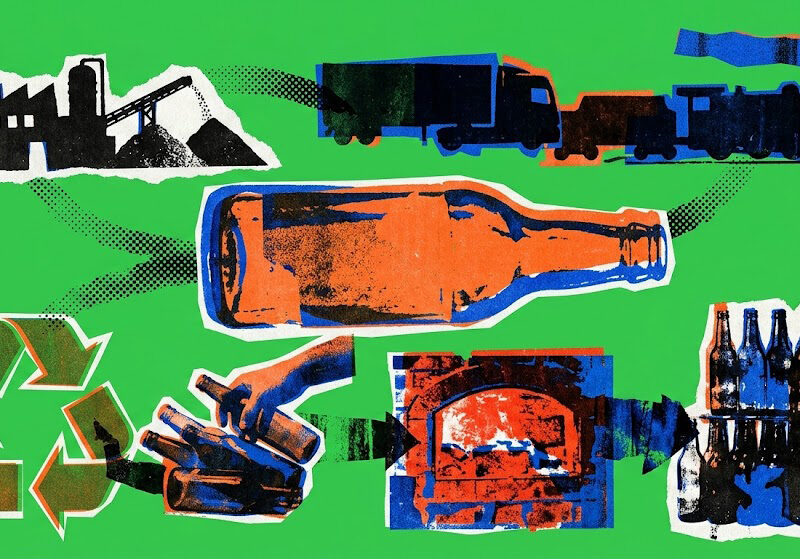

Glass bottle manufacture is the definitive standard for the global spirits and wine industries, providing an unmatched combination of chemical inertness, premium aesthetics, and infinite recyclability. For brand owners navigating the complexities of 2025, the strategic operational model of a China glass factory that utilizes a “sand to bottle” integrated supply chain has become a competitive necessity. This article analyzes how vertical integration addresses the dual challenges of mineral scarcity and high freight costs, highlighting the revolutionary impact of material science on global packaging strategies.
Economic Realities and Global Trends in Glass Bottle Manufacture
The global glass packaging market is projected to expand from USD 69.83 billion in 2025 to over USD 102.62 billion by 2034, maintaining a steady CAGR of 4.41% . This growth is primarily fueled by the beverage sector, which accounts for 45.8% of total demand, particularly in premium spirits where glass enhances perceived brand value . However, the efficiency of glass bottle manufacture is increasingly sensitive to raw material purity; while 50 billion tons of sand are used annually, only 1% is of the high-grade quality needed for clear glass, requiring a silicon dioxide SiO2 content exceeding 99% . For international distributors, the integrated model of a China glass factory provides a vital solution to the fact that glass freight costs remain 27% higher than plastic due to weight and fragility . By localizing production steps—from mineral beneficiation to automated I.S. (Individual Section) machine forming—manufacturers can achieve a 17% improvement in throughput while drastically reducing lead times and logistical friction.
The Strategic Edge of an Integrated China Glass Factory
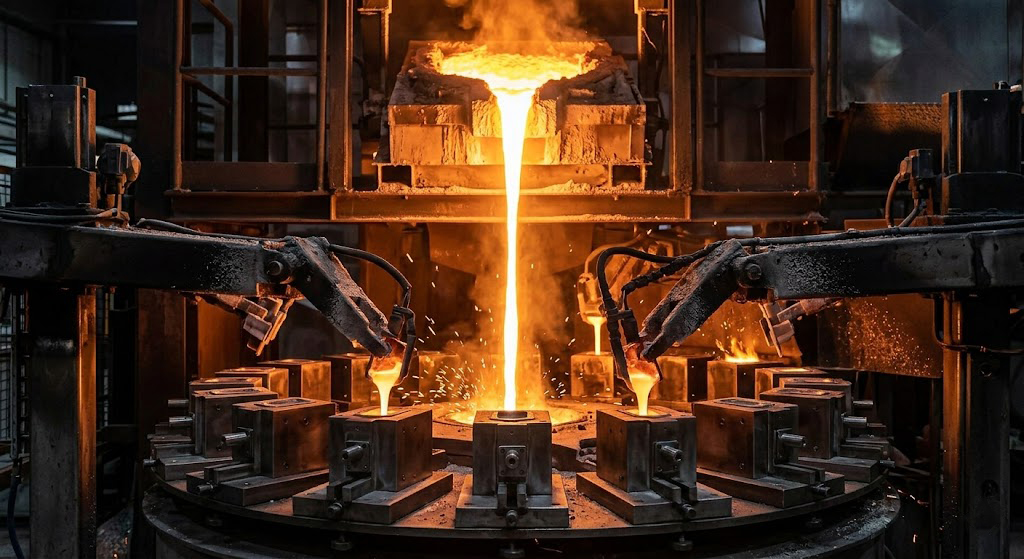
From a professional standpoint, the modern China glass factory is the engine of technical innovation in material science, particularly regarding the industry-wide move toward lightweighting . A critical trend in glass bottle manufacture is the adoption of the Sustainable Wine Roundtable (SWR) benchmark, which aims to reduce 750ml still wine bottles to less than 420g by the end of 2026 . This transition requires advanced processes like Narrow Neck Press and Blow (NNPB) technology and AI-driven defect detection to ensure that thinner-walled bottles retain their structural integrity under pressure. Furthermore, the integration of recycled cullet is now a standard pillar of sustainability; using just 10% recycled glass reduces furnace energy consumption by 3% and carbon emissions by 7%. This “sand to bottle” integration ensures that premium branding, such as the “white flint” clarity required for high-end spirits, is achieved through energy-efficient and environmentally responsible methods .
Strategic Pillars for Glass Bottle Manufacture Excellence at Valiant Packaging
For Shandong Valiant Packaging, its reputation as a leading China glass factory depends on its ability to offer a “Total Packaging Solution”. With over 20 years of expertise and a facility equipped with fully automated I.S. machines, Valiant is uniquely positioned to address the supply chain fragility that plagues multi-vendor models. To further optimize glass bottle manufacture, we recommend:
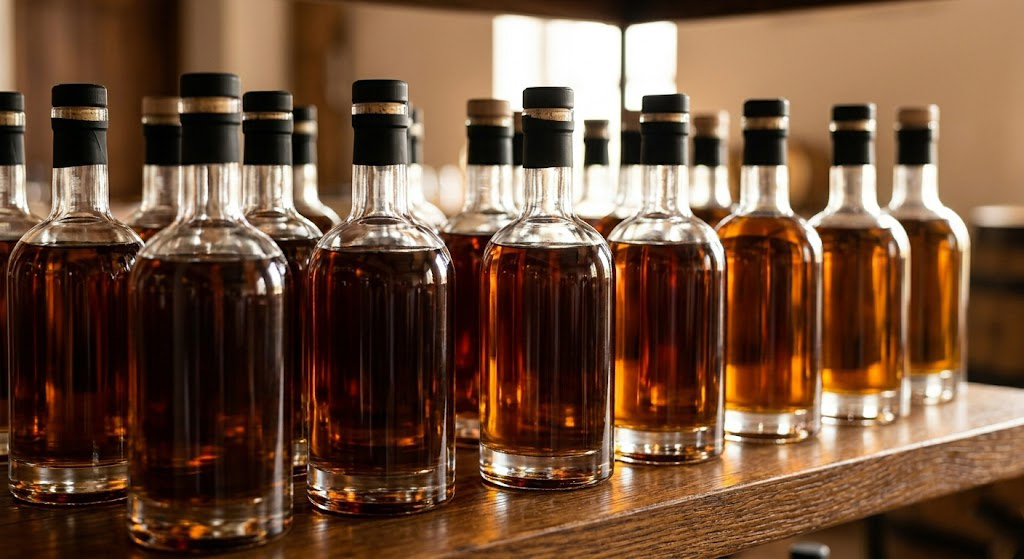
- Mineral and Energy Security: Investing in hybrid furnace technologies (electric + gas) to hedge against natural gas price volatility, which has surged in mature markets .
- Tactile Premiumization: Utilizing in-house mold design to create bespoke shapes and intricate embossing, which provides counterfeit protection and can justify retail premiums of USD 2–8 per unit.
- Smart Packaging Integration: As a technologically advanced China glass factory, Valiant should continue integrating NFC and QR codes directly into its decoration lines—including frosting, decal, and spray coating—to enhance brand storytelling and supply chain traceability.
Conclusion and Industry Outlook
The future of glass bottle manufacture is defined by the synergy between material purity and vertical integration. As global brands prioritize ESG compliance, the role of an integrated China glass factory becomes indispensable.
By mastering the lifecycle from the initial silica grain to the final smart-labeled product, manufacturers ensure glass remains the gold standard. We expect this integrated approach to drive the beverage ecosystem through 2035 and beyond.