
By Valiant Packaging – High-Quality Glass Bottle Manufacturer
Introduction: Understanding BVS 30×60
In today’s world of premium drinks — specifically wines and spiritspackaging is a function that goes far beyond being a container for the liquid. The bottle of a brand is its invisible representative. It conveys class, tradition as well as attention to the smallest of details prior to a person taking the first sip. While the form of the bottle as well as the style of the label catch the attention of the consumer but the closure is the component which seals the bottlealso has a crucial function: protecting the purity of the drink inside.
One standard for closures which has proved its value throughout the years and across world-wide has been the BVS30x60. The standard is recognized worldwide for its dependability and adaptability, this standard guarantees a perfect connection between closure and bottle and guarantees a safe sealed airtight seal, which will ensure the highest quality product is protected throughout the entire process from bottling through consumption.
The word BVS is a reference to Bague Verre Stelvin which is which is a French term that means “glass ring for Stelvin closure.” “30×60” is a reference to a bottle neck “30×60” refers to a finishing of the neck of a bottle with an outside diameter of 30 millimeters and a closing height of 60 millimeters. The most common pairing is with screw caps made of aluminum, that have been a staple within the spirit and wine business due to their capability to keep freshness intact, avoid contamination and offer brand potential.
Here at Valiant Packaging, manufacturing high-end glass bottles, we understand what the BVS 30×60 standard goes beyond than a mere specificationit’s a philosophy of design. The precision of manufacturing, the consistency with regard to application and innovative ways to brand are what make this type of closure popular with our customers from the wine and spirits sector.
The Origin and Evolution of the BVS Standard
The Shift Away from Traditional Cork
The beverage industry has historically was heavily dependent on natural corks to seal bottles. Cork is traditional and romantic look however, it comes with inherent dangers. Cork from nature can differ greatly in structure and density which can cause an inconsistent seal. One of the most well-known problems is cork taint, caused by the compound TCA (2,4,6-trichloroanisole), which imparts an unpleasant, musty odor and can ruin the taste of the product.
In the late 20th century, beverage manufacturers began looking for a substitute that could provide a uniform seal, eliminate loss from spoilt products and work with current bottling models.
The Invention of the Stelvin Closure
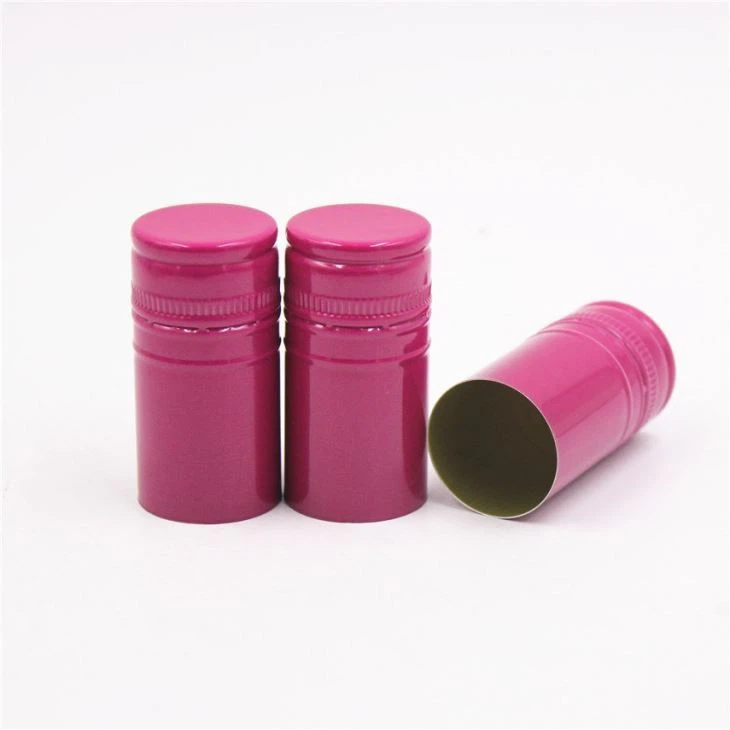
The late 1960s, and the early 1970s French producer Pechiney (now an Amcor subsidiary) Amcor) created in the late 1960s and early 1970s, a Stelvin Screw Cap made from aluminum specifically to be used with wine bottles. This invention provided:
- The most reliable oxygen-tight seal
- The cork’s resistance will is a taint
- It is easy to open and close.
- The possibility of branding can be achieved through printing as well as decorations
The advent of Stelvin closures was accompanied by advances in the glass bottle industry. The neck of the bottle had to be designed precisely for the aluminum cap. This was the reason for the development of the BVS standard.
Codifying the BVS 30×60 Dimension
The BVS standard gained a lot of acceptance from producers of spirits and wine as well as spirits producers, having 30 millimeters in diameter as well as 60 millimeter cap height becoming the norm form for still wine as well as specific spirits. The organizations like CETIE (International Technical Centre for Bottling) as well as ISO established the dimensions of these sizes, which allowed universal compatibility and interoperability.
Nowadays we have this BVS 30×60 size is utilized in a myriad of companies — from common drinks to high-end spirits, since it offers a perfect equilibrium between aesthetics, functionality as well as efficiency in production.
Technical Specifications of BVS 30×60
Neck and Closure Dimensions
The heart of the BVS 30×60 system lies the highest level of precision engineering.
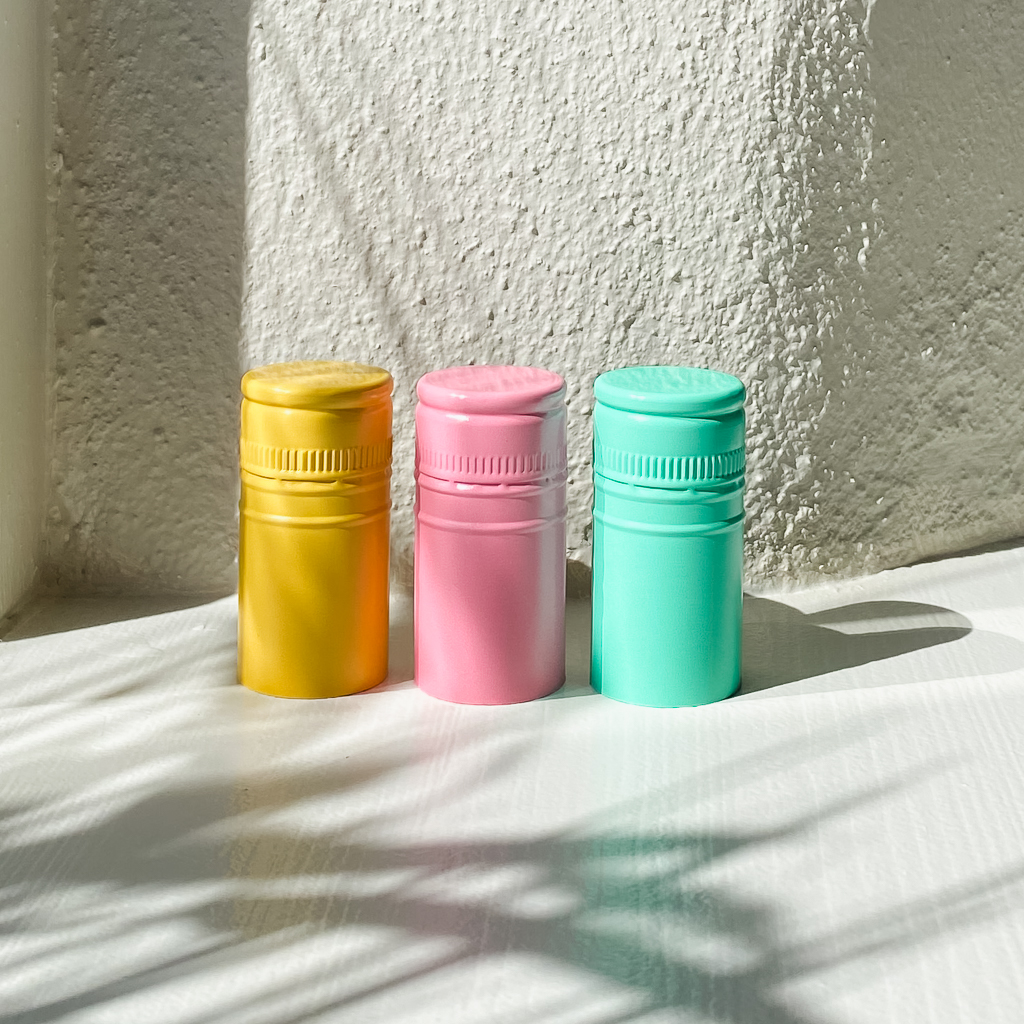
- Outside Neck Diameter 30mm (+-0.2 millimeter tolerance)
- Closer Height: 60 millimeters, which allows enough space for liner threading and other decorative components
- Thread Profile A continuous M-profile thread designed to ensure consistency in torque
- Final Height Created for skirt aligning of the cap and ensuring consistency on shelves
Sealing Surface
The sealing surface on the top -the ring with a flat surface in the bottle’s mouth bottle — should be smooth and level. A slight defect could compromise the seal of the liner, which can lead to leakage or oxygen intrusion.
Closure Materials and Liners
The screw caps made of aluminum that are used in BVS 30×60 finishes are available with several liner options.
- Saranex Liners Offer excellent oxygen barrier properties for wine designed for storage in medium-term terms.
- Tin or Saran Liners Provide an improved oxygen control system for wines of the highest quality and longer-term storage.
- EPE Foam Liners Most often employed in spirits to create an impervious seal, and to safeguard volatile aromatic compounds.
The selection of a liner is based on the conditions of storage for the product the shelf’s desired life span and the market it is intended for.
Why BVS 30×60 is Preferred in Spirits and Wine Packaging
Consistency and Reliability
When production is high volume closing systems must be flawless every time. The BVS 30×60 standard size make it possible to use the same closure and glass manufacturers, allowing for more flexibility in sourcing.
Preservation of Product Quality
With an hermetic seal BVS closures preserve the product’s desired taste character. In the case of wines, it is reducing oxidation. For spirits, this means keeping volatile aromatic components.
Branding Opportunities
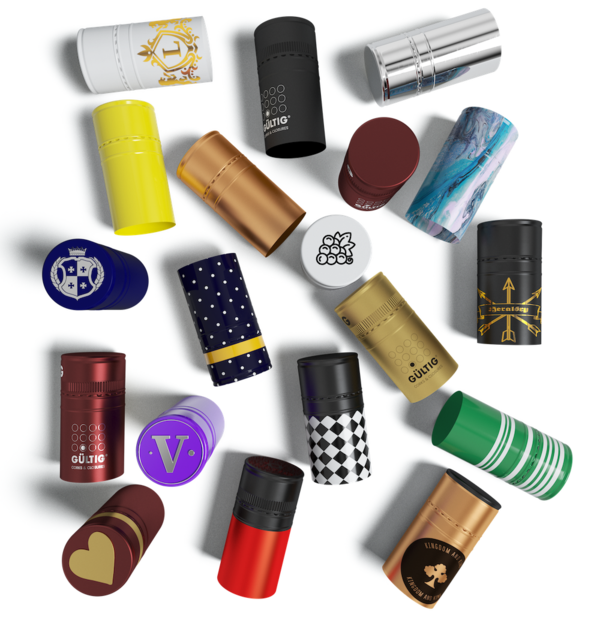
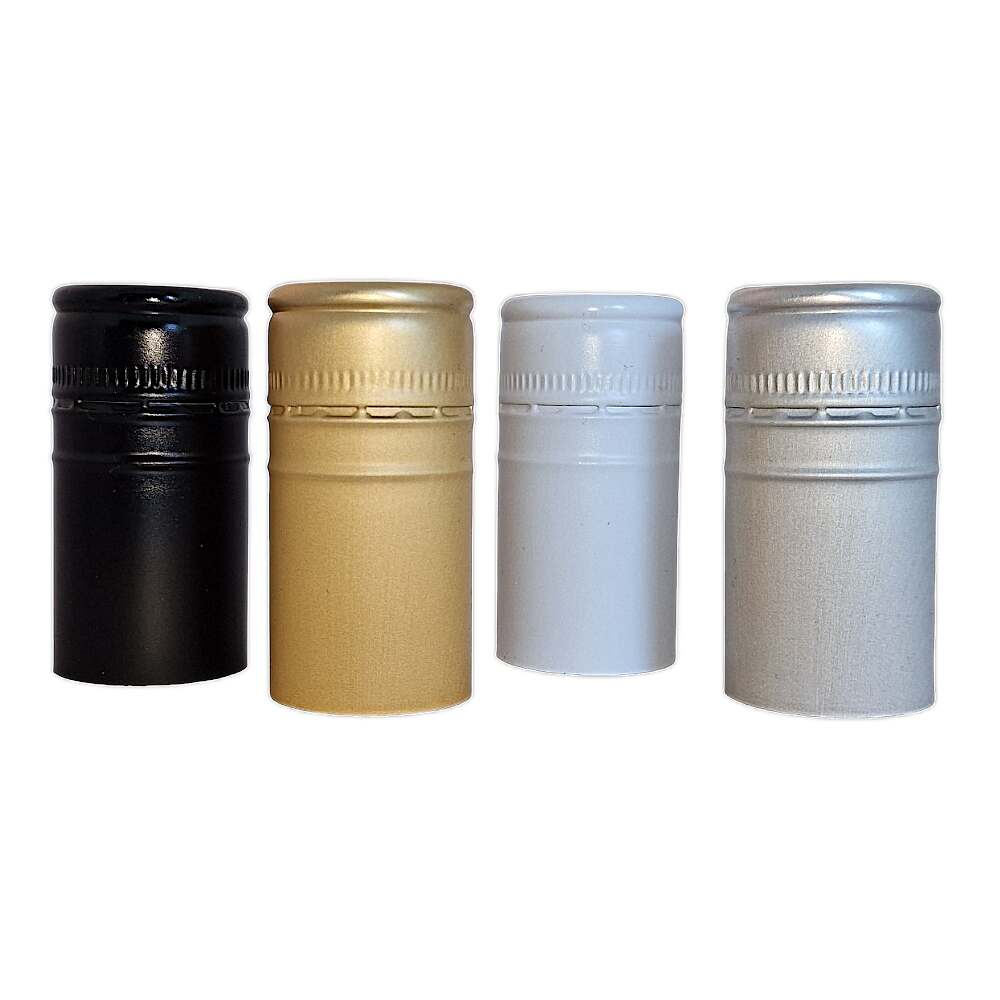
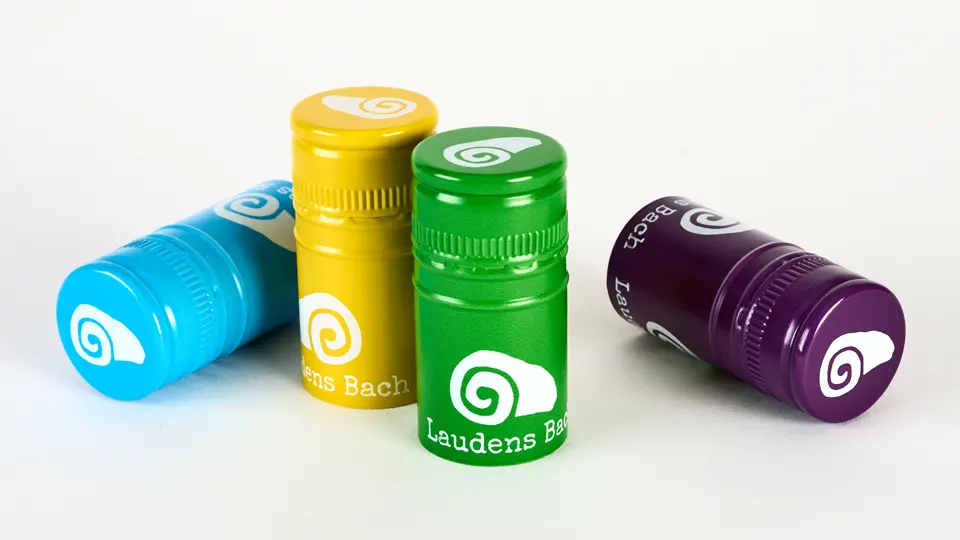
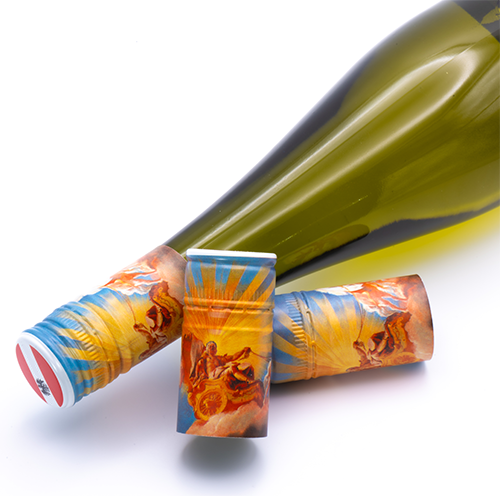
The 60mm cap’s height is ideal for using designs, logos, embossed or metallic foils. It can also be used to create personalized colours. It transforms the closure to a brand-related element, instead of a functional part.
Ease of Use for Consumers
In contrast to corks, which need corkscrews, BVS closures are simple to open and close. They are particularly attractive to those who shop in stores in which convenience is a top priority.
BVS 30×60 and Glass Bottle Manufacturing Requirements
The process of making a bottle for BVS 30×60 closures can’t be easy as simply shaping the the molten glass into necks and body. It is a complex process that requires sophisticated machinery with precise molds as well as the strictest quality control.
Tolerances and Quality Control
Just a tiny small amount of millimeters could alter sealing efficiency. Valiant Packaging has automated inspection systems. Valiant Packaging our automated inspection equipment examine each bottle for
- Consistency of neck diameter
- Profile accuracy and thread depth
- The surface smoothness in the sealing Ring
- Uniformity of wall thickness
Material Considerations
The glass’s composition should have enough strength to endure crushing torque, without cracking. The soda-lime is high-quality and designed for strength as well as clarity.
Integration with Bottling Lines
The bottles must be aligned perfectly with the capping machine to prevent closing deformation or thread alignment. Valiant Packaging collaborates closely with closure makers to make sure that the bottles are running smoothly in the high speed filling line.
Sustainability in BVS 30×60 Packaging
Sustainability isn’t just a passing fashion, but it’s an essential requirement for modern packaging. BVS’s BVS System has several environmentally friendly advantages.
- Recyclable Materials Glass and aluminum can be recycled infinitely without loss in quality.
- Lightweight Alternatives: Modern glass manufacturing produces thinner-walled bottles, which remain strong enough, which reduces emissions from transportation.
- Non-Toxic Liners Liner materials that are new meet the standards for food safety without utilizing toxic chemicals such as BPA.
Valiant Packaging‘s production facilities integrate the cullet (recycled glass) throughout each batch, which reduces the energy use and carbon footprint.
Global Market Adoption
Europe
The wine industry in nations such as France, Italy, and Spain initially were against screw caps due to the tradition However, the markets of UK, Australia, and New Zealand embraced them early. Nowadays, the acceptance rate is rising even in markets that are conservative particularly for wines with a mid-price point.
North America
Premium spirits producers from the United States and Canada increasingly are choosing BVS closures due to their capacity to provide shelf-styling and secure sealing.
Asia
In the rapidly expanding beverage market such as China, Japan, and South Korea, the convenience of screw caps is appealing to young buyers. BVS closures are also in line with the latest trends in gift packaging within the region.
Capping Technology and Bottling Line Considerations
To allow BVS 30×60 closures that perform optimally, the correct use of the line for bottling is crucial:
- Torque Settings In applying too little torque can cause leaks. Too excessively can cause damage to the bottle or cap.
- Cap Inspection Vision systems confirm the correct placement of skirts of skirt alignment and thread engagement.
- Liner Compression Uniform compression is vital to seal the performance.
Branding and Aesthetic Possibilities
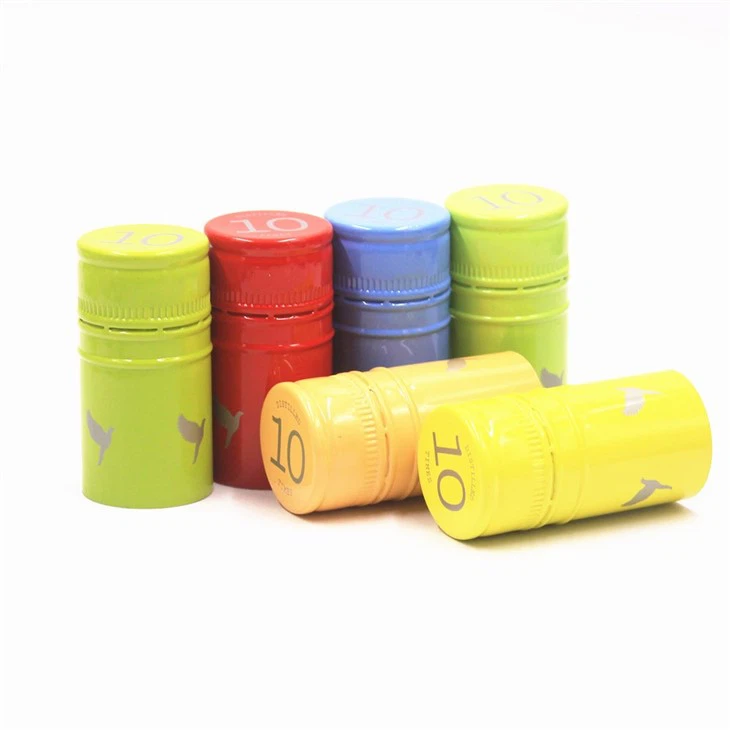
We at Valiant Packaging We work closely with our clients to make sure that both closure and bottle designs are compatible with the other
- Customized Color Matching Precision based on Pantone for consistent branding.
- Embossed Logos Enhances the tactile experience and visual premium signals.
- Hot Foil Stamping Produces metallic effects that captivate the eyes under the lighting of stores.
- Matte as well as Gloss finishes: Create a distinction between the levels of a product.
Comparing BVS 30×60 to Other Closure Types
Cork, plastic plugs and crown caps serve a purpose, BVS offers the widest range of advantages for wines and spirits. The global standardization of BVS and the easy integration into production make it the preferred option among many top brand names.
Future Trends for BVS 30×60
In the near future, we will probably be a lookout for:
- Smart Closures embedded NFC chips to authenticate and the engagement of consumers.
- Advanced Liners Better oxygen management as well as biodegradability.
- Lightweighting Initiatives Reducing the environmental impact and keeping the its strength.
- Extreme Customization In niche or luxury markets, the closures could be miniature masterpieces.
Conclusion
Its BVS30x60 closure developed from a technological innovation into an industry-standard. It’s a remarkable blend of efficiency, sustainability as well as branding flexibility which makes it suitable for wines and spirits packaging.
Valiant Packaging is pleased to be at the leading edge of creating bottles that satisfy and even exceed the demands for precision of this particular closure. With over a decade of expertise and advanced facilities for manufacturing, as well as a passion for innovative and sustainable development, we assist manufacturers create products that do not just taste great, but appear stunning on shelves.