
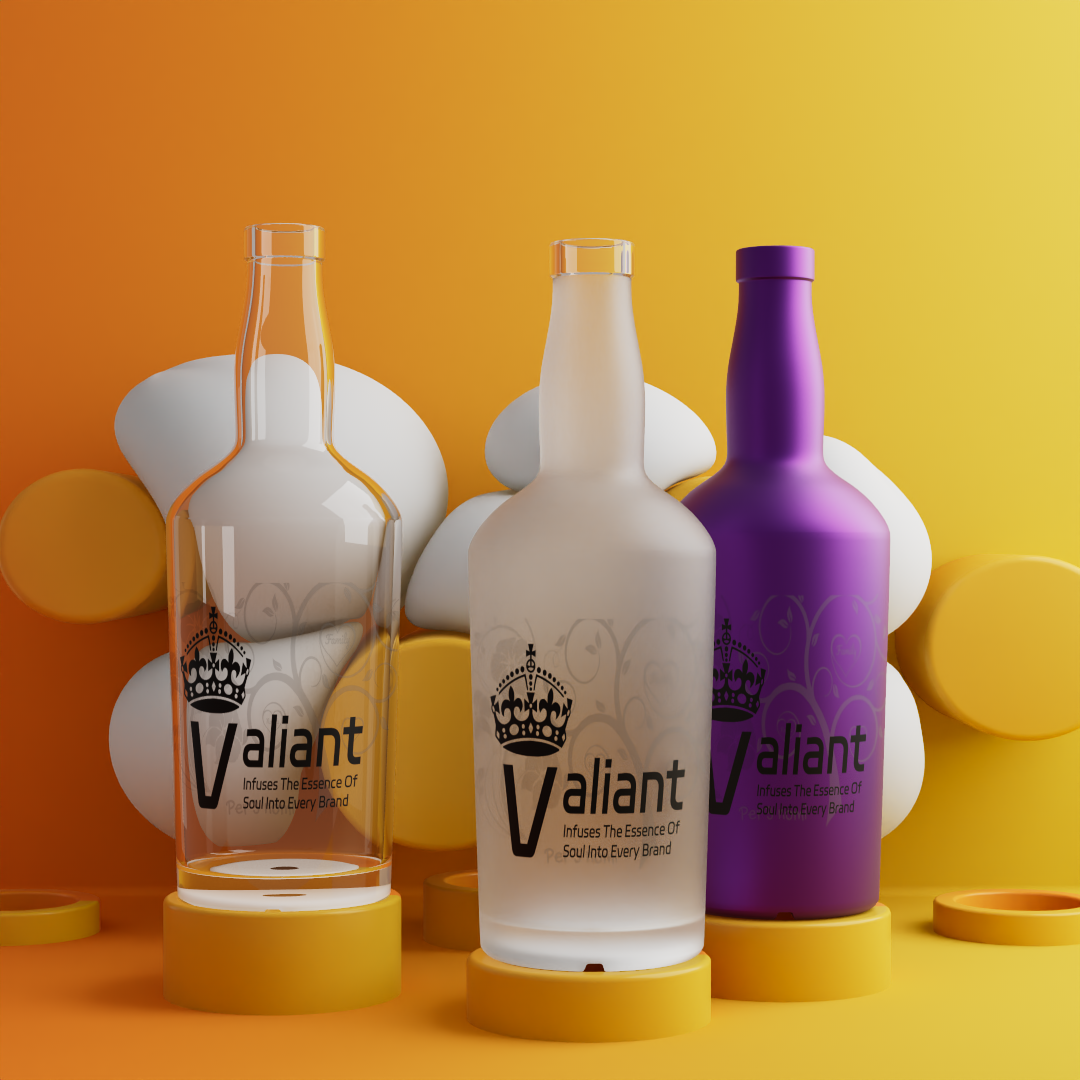
Sustainable glass packaging is currently the defining vector for the structural maturation of the global cannabis industry, mirroring the historical trajectory of the premium spirits and pharmaceutical sectors. As legal frameworks stabilize across North America, Europe, and the Asia-Pacific region, the packaging associated with these products is transitioning from a utilitarian necessity into a high-value brand asset and a critical tool for regulatory compliance. According to the recent market analysis and growth outlook through 2035 provided by IndexBox and reinforced by secondary industry studies, the cannabis packaging market is projected to expand from a valuation of approximately USD 2.6 billion to USD 3.5 billion in 2025 to a staggering USD 12.8 billion to USD 27.15 billion by 2035 . This expansion, characterized by a compound annual growth rate (CAGR) fluctuating between 17.4% and 22.74%, signals a massive shift in demand for sophisticated primary containers, specifically in the glass segment . For industrial stakeholders like Shandong Valiant Packaging, these statistics represent more than mere volume growth; they indicate a paradigm shift toward high-end, sustainable glass solutions that prioritize product integrity, “Quiet Luxury” aesthetics, and advanced child-resistant engineering.
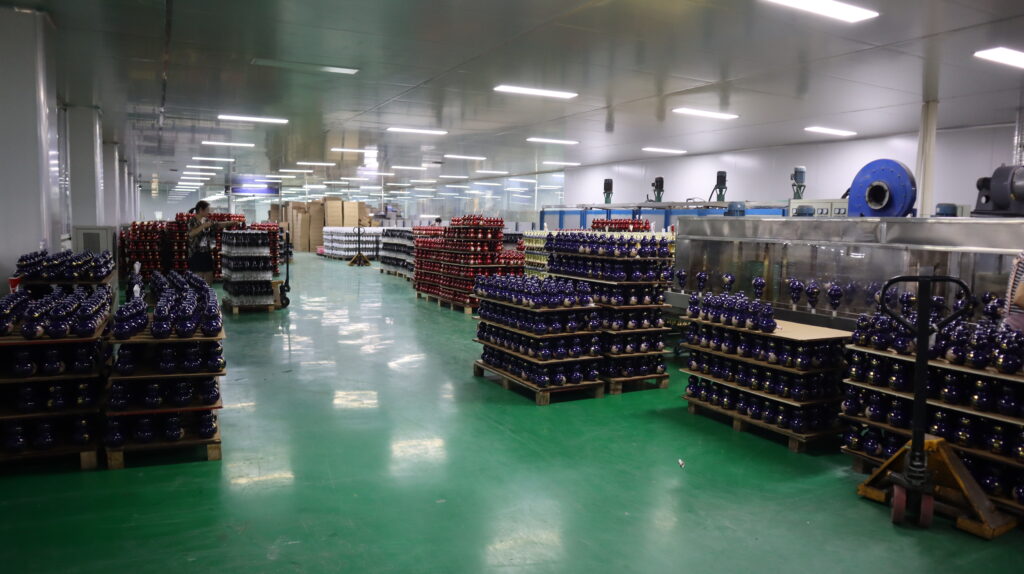
The direct relevance of this news to the alcoholic beverage and glass packaging industry cannot be overstated. The cannabis sector is increasingly adopting the packaging vernacular of ultra-premium spirits—leveraging heavy glass, intricate embossing, and tactile finishes to justify premium price points and establish brand heritage . Simultaneously, the regulatory pressure for child-resistance and tamper-evidence is forcing an unprecedented level of innovation in sealing technologies that were previously the exclusive domain of the pharmaceutical industry . This convergence of spirits-level aesthetics with pharmaceutical-grade security creates a unique market opportunity for glass manufacturers capable of vertical integration and high-speed customization within the sustainable glass packaging ecosystem.
The Economic Engine Behind Sustainable Glass Packaging
The baseline scenario for the cannabis packaging market from 2026 through 2035 anticipates a phase of sustained, non-volatile expansion, contingent on the continued liberalization of regulations in key markets like Germany, the United States, and emerging hubs in Southeast Asia . In 2025, the market is valued at USD 3.50 billion, with a projected leap to USD 4.29 billion as early as 2026 . This growth curve is not uniform across all materials; while plastics remain a volume driver, the rigid packaging segment—led by glass bottles and jars—dominated the market share in 2025 and is expected to maintain its lead in the premium and medical categories . The adult-use recreational segment currently commands roughly 45% of the total demand, serving as the primary engine for design-led innovation, while the medical segment contributes 25%, prioritizing clinical compliance and shelf-life stability.
| Market Metric | 2025 Estimate (USD) | 2030 Forecast (USD) | 2035 Forecast (USD) | Projected CAGR |
| Global Cannabis Packaging (IndexBox Baseline) | 2.6 Billion | 5.8 Billion | 12.8 Billion | 17.4% |
| Global Cannabis Packaging (Upper Bound) | 3.5 Billion | 9.2 Billion | 27.15 Billion | 22.7% |
| Glass Bottles & Containers (General Market) | 62.8 Billion | 78.2 Billion | 97.5 Billion | 4.5% |
| PCR-Rich Glass Container Segment | 10.5 Billion | 15.2 Billion | 21.04 Billion | 7.2% |
Geographically, North America continues to lead the global market, reaching a valuation of USD 22 billion in the broader glass container category as early as 2024 . However, the Asia-Pacific region is emerging as the fastest-growing frontier, with China and India projecting CAGRs of 6.1% and 5.6% respectively in the glass packaging sector through 2035 . In Southeast Asia and Australia, the demand is being reshaped by the formalization of medical programs and the growth of artisanal “craft” spirits and wellness beverages, which frequently utilize cannabis-style glass bottles for tinctures and oils . The market for PCR-rich (post-consumer recycled) glass is particularly buoyant in these regions, set to double by 2035 as sustainable glass packaging becomes a core operational requirement rather than a secondary marketing claim.
Engineering the “Quiet Luxury”: Material Shifts in Sustainable Glass Packaging
For the glass packaging professional, the news of this explosive growth translates into specific technical requirements that differ significantly from traditional beer or soft drink bottling. The cannabis industry requires high-performance primary packaging that manages three critical variables: moisture vapor transmission, oxygen barrier performance, and UV light protection . These technical demands are driving a revival in specialty glass types, most notably amber and violet glass, which protect light-sensitive cannabinoids from degradation. Amber glass, valued for its ability to block harmful UV rays while conveying a sense of heritage and medical trust, is seeing a surge in demand across both pharmaceutical and craft beverage applications within the sustainable glass packaging sector.
The concept of “Quiet Luxury” is also redefining the aesthetics of premium cannabis glass. In 2026 and beyond, the definition of premium is shifting from excessive weight to intelligent design. While “bodybuilder” bottles—those with excessively thick glass walls—were once the shorthand for quality, the industry is now pivoting toward “Lightweight Luxury”. This trend involves using sophisticated, optimized silhouettes to reduce the carbon footprint and transportation costs without sacrificing the tactile, high-end feel that consumers associate with quality. We are seeing a 12% reduction in average mass for high-end wine and juice formats, a trend that is rapidly infiltrating sustainable glass packaging for the cannabis-infused beverage sector.
| Packaging Element | Traditional Approach | 2026-2035 Trend | Packaging Impact |
| Bottle Weight | Heavy “Bodybuilder” Glass | Lightweight Luxury / Right-Weighting | Reduced logistics costs, lower carbon tax |
| Material | Virgin Soda-Lime Glass | High-PCR Content (35%+ ) | Compliance with EU PPWR |
| Surface Finish | High-Gloss Transparent | Satin Matte, Frosted, Acid-Etched | Tactile “dopamine” moment, luxury feel |
| Security | Standard Screw Cap | Integrated CR (Child-Resistant) / TE | Mandatory regulatory compliance |
| Digital Layer | Paper Labels only | NFC Tags / Etched QR Codes | Traceability, unboxing engagement |
Sealing technology is perhaps the most critical area of innovation. The intersection of cannabis and alcohol has necessitated closures that are both aesthetically pleasing and child-resistant. Manufacturers are developing non-refillable (NRF) and CR-compliant systems that integrate seamlessly with premium glass neck finishes. The adoption of pharmaceutical-style blister packs for unit-dose edibles and precise dropper dosages for tinctures is also influencing the demand for standardized yet highly customizable sustainable glass packaging in vial and dropper bottle formats.
Strategic Mandates for Valiant Packaging: Scaling Sustainable Glass Packaging for 2035
For Shandong Valiant Packaging, the forecasted growth of the cannabis market and the shift toward premium glass offer a clear roadmap for capacity expansion and service diversification. With over 3,000 existing molds and a vertically integrated production model, Valiant is already positioned to meet the demand for small-batch, high-end customization that the craft cannabis market requires . The core strategic recommendation is to leverage our expertise in spirits bottle manufacturing to create a dedicated “Cannabis Excellence” line that focuses on the 100ml to 250ml range—the fastest-growing volume segment for high-value concentrates and oils within the sustainable glass packaging market.
To capture this market effectively, Valiant must also undergo a digital transformation in its outreach. The analysis of search intent reveals a significant shift in how B2B buyers find suppliers. In 2026, SEO for glass packaging will prioritize “Information Gain”—original data, technical walkthroughs, and transparency in sustainability metrics—over generic keyword stuffing. We propose an SEO strategy that targets the “Zero-Click” marketing environment by providing immediate value through LinkedIn content and AI-optimized dynamic knowledge hubs focused on sustainable glass packaging.
Conclusion and Professional Outlook
The outlook for the global cannabis glass packaging market through 2035 is one of sophisticated maturity. As volume growth stabilizes at a CAGR of 4.5% to 5% for general glass containers, the value-intensive segments—driven by premiumization and sustainability mandates—will offer the most significant profit margins . The convergence of the cannabis, beverage, and pharmaceutical industries is creating a new category of “hybrid packaging” that requires the aesthetic finesse of a luxury artisan and the technical precision of a clinical laboratory, all housed within the framework of sustainable glass packaging.
In the coming decade, the winners in the glass packaging space will be those who successfully transition from being “container suppliers” to “strategic brand partners”. This involves integrating smart technology directly into the glass, providing measurable carbon footprint reductions, and mastering the complex engineering of child-resistant closures. For Shandong Valiant Packaging, our mission is to lead this transition by blending our decades of craftsmanship with the cutting-edge requirements of the digital and sustainable era. The future of sustainable glass packaging is not just inert and transparent; it is smart, lightweight, and deeply meaningful to the modern consumer.