
Abstract
The global perfume packaging market is currently undergoing a transformative period of expansion, with its valuation projected to grow from USD 7.11 billion in 2024 to approximately USD 13.85 billion by 2035 . This upward trajectory, characterized by a compound annual growth rate (CAGR) of 6.25%, is not an isolated phenomenon but rather a precursor to a broader shift in the luxury glass industry, particularly affecting the premium spirits, wine, and beverage sectors. For the packaging industry, the direct relevance of these developments lies in the “perfume-ification” of beverage containers—a trend where the ultra-clarity, sculptural geometry, and tactile finishes of high-end fragrance bottles are being adopted by alcohol brands to command premium pricing and enhance shelf presence. This report analyzes the fundamental transition from glass as a commodity container to glass as a sensory experience, highlighting the critical role of material science, sustainable engineering, and “Lightweight Luxury” in modern Global supply chain strategies. As brands in Europe, North America, and the Asia-Pacific region pivot toward “Quiet Luxury,” the integration of perfume-grade glass design standards into the beverage sector has become a strategic imperative for manufacturers like Shandong Valiant Packaging.
Original News and Data Analysis: The Global Expansion of High-End Glass Packaging
The current state of the global packaging market reveals a robust demand for glass across multiple high-value segments, driven by an overarching trend toward “glassification”—the movement away from plastics and alternative materials in favor of glass’s inert properties and premium aesthetic. In the alcoholic beverage sector, the market was valued at USD 84.62 billion in 2024 and is forecasted to reach USD 118.42 billion by 2030. Within this landscape, the perfume packaging segment serves as a critical innovation laboratory for the broader industry. Data from recent market analyses indicate that bottles dominated the perfume segment in 2024, capturing over 40% of the market share, while glass as a material led with more than a 50% share. This dominance is largely attributed to the luxury fragrance sector’s reliance on glass for its ability to preserve fragrance integrity—especially given the sensitivity of perfumes to oxygen, heat, and light—while simultaneously delivering a prestigious user experience.
Regionally, North America held the largest share of the perfume packaging market at approximately 35% in 2024, supported by high consumer spending on personal care and luxury fragrances. However, the Asia-Pacific region is emerging as a dominant force in the broader Global supply chain, holding a 33.1% share in the alcoholic beverage sector in 2024. The growth in these regions is heavily influenced by rising disposable incomes and a shift in consumer behavior toward “premiumization.” For instance, the luxury alcohol packaging market is expected to witness a CAGR of 7% through 2033, reaching a valuation of approximately USD 26 billion . This growth is closely tied to the perfume sector’s influence; as fragrance sales grow—exemplified by Interparfums Inc. reporting a 10% increase in net sales to USD 1.45 billion in 2024—the demand for high-quality, perfume-grade glass bottles increases proportionally.
Despite this growth, the Global supply chain faces significant logistical and economic constraints. Furnace operations account for nearly 55% of total production costs, with energy consumption exceeding 30% of operational expenses in glass manufacturing. The high-temperature processes required (often exceeding 1500 degrees Celsius) limit scalability for smaller manufacturers and increase environmental impact. Furthermore, the inherent fragility and weight of glass result in higher transport costs and carbon emissions compared to plastic, prompting an industry-wide pivot toward lightweighting and recycled content. In 2024, glass accounted for 67% of the United States wine packaging market, but the push for sustainability is leading to new standards, such as the Sustainable Wine Roundtable’s goal of reducing the average weight of 750ml still wine bottles to below 420g by 2026.
The Convergence of Material Science and Aesthetic Luxury
The interpretation of current market data suggests that the “premiumization” of spirits and beverages is no longer just about the liquid inside but about the material science and design of the vessel. The spirits industry is increasingly adopting “Extra Flint” (or “Super Flint”) glass standards traditionally reserved for the perfume industry . Super Flint glass is characterized by its exceptional clarity, brilliance, and lack of the greenish or grayish tints typically found in standard soda-lime glass . This clarity is achieved through the use of ultra-pure raw materials and extremely low iron content . From a technical perspective, the refractive index of the glass is a critical differentiator. Modern high-flint formulations often substitute traditional lead oxide with safer alternatives like barium and zinc oxides to increase light refraction without compromising safety standards, particularly in the EU and US markets.
The physics of light interaction with glass can be expressed through the refractive index formula:

Where N is the refractive index, C is the speed of light in a vacuum, and V is the phase velocity of light in the glass medium. For Super Flint glass, maximizing N through chemical composition is essential for achieving the visual brilliance associated with luxury.
Beyond material purity, the packaging industry is witnessing a revolution in tactile design. In 2026, the definition of premium is shifting from excessive ornamentation to “Quiet Luxury,” where value is signaled through tactility and sophisticated silhouettes . Trends like “Lightweight Luxury” demonstrate that high-end brands are right-weighting their glass—optimizing shapes to reduce carbon footprints while maintaining a premium hand-feel. For example, the use of deep embossing, “imperfect” finishes that mimic heritage craftsmanship, and thick bases (or “slugs”) of 20-30mm are being utilized to create a sensory connection that digital marketing cannot replicate . Furthermore, specialized technical innovations are enhancing functionality. The “Specialty Sommelier” neck design, which incorporates a unique groove acting as an anti-drip ring, is a prime example of how intelligent design is replacing sheer bulk in the premium sector. Decoration techniques have also evolved; over 70% of new luxury launches now use advanced methods such as laser etching, soft-touch coatings, and bi-color finishes . A 2024 study by Kantar revealed that 73% of consumers are more likely to repurchase products with premium, tactile packaging, highlighting the economic value of sensory engagement.
Strategic Recommendations for Valiant Packaging: Leveraging Vertically Integrated Innovation
For Shandonhttps://valiantbottles.com/g Valiant Packaging, these trends represent a significant opportunity to redefine its market position within the Global supply chain. As a vertically integrated company providing glass bottle mold manufacturing, stock glass, and custom solutions, Valiant is well-positioned to bridge the gap between mass production and luxury craftsmanship . To maintain its competitive edge in the Americas, Europe, and Asia, Valiant must strategically align its capabilities with the “Lightweight Luxury” and “Sustainability” movements.
1. Adoption of “Lightweight Luxury” Engineering
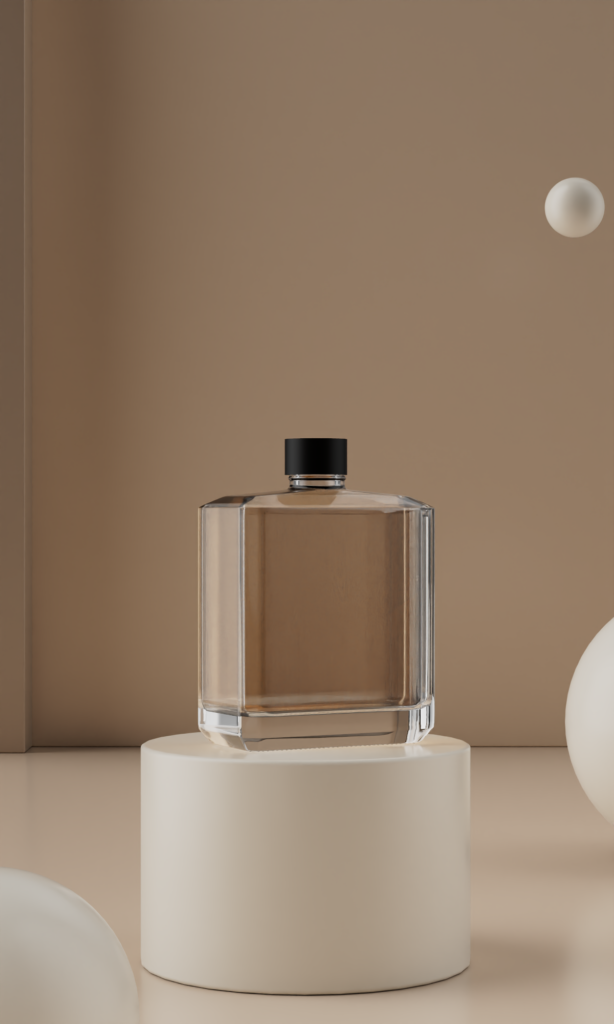
While traditional luxury was synonymous with heavy glass, the market is moving toward “right-weighted” containers. Valiant should invest in advanced simulation software to optimize bottle silhouettes, reducing material usage while preserving the structural integrity and premium feel. By aiming for the 18% weight reduction targets seen in the ultralight glass market, Valiant can help its customers—distributors and wineries—lower their logistics costs and environmental footprint.
2. Expansion of Decoration and Tactile Services
Given that tactile design is a primary driver of consumer loyalty, Valiant must enhance its “Decoration Operations”. This includes:
- Deep Embossing and Debossing: Utilizing custom molds to incorporate logos and intricate patterns directly into the glass, creating a physical brand identity that is difficult to counterfeit .
- Sophisticated Finishes: Expanding capabilities in acid etching, frosting, and soft-touch coatings that mimic premium materials like leather or silk.
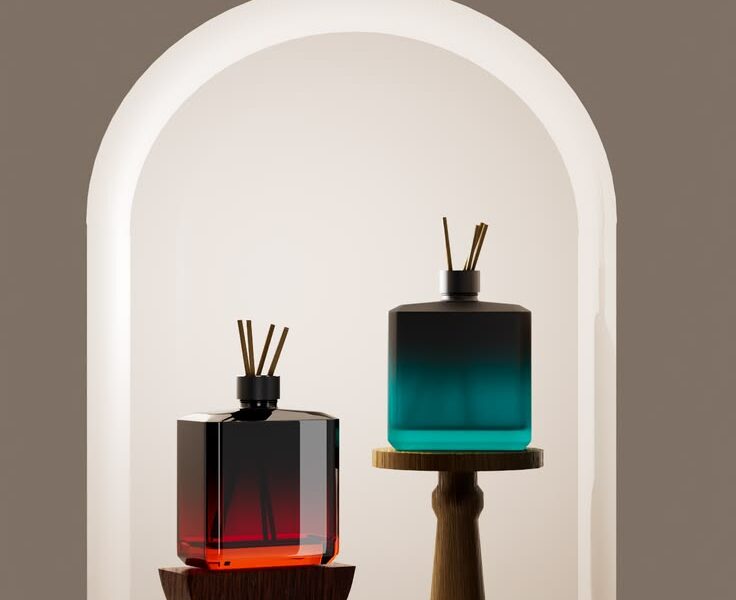
- Material Alchemy: Experimenting with bi-color glass and gradient spraying to cater to the “sunset gradient” and “vibrant contrast” trends seen in the 2025 packaging forecasts.
3. Sustainability as a Core Value Proposition
With the sustainable alcoholic beverage packaging market projected to grow at a CAGR of 6.16% through 2030, Valiant’s commitment to achieving a climate-resilient supply chain is essential. Proposing innovations such as bottles with over 50% post-consumer recycled (PCR) content would allow Valiant to appeal to the growing segment of eco-conscious premium brands. This shift not only reduces energy consumption by approximately 40% compared to virgin glass but also aligns with the stricter waste regulations (such as CBAM) being implemented in Europe and North America.
4. Integration of Smart Packaging Technologies
To meet the demand for “Invisible Intelligence,” Valiant should offer options for embedding NFC tags or QR codes into labels or bottle structures . This technology serves a dual purpose: it provides consumers with immersive brand storytelling (e.g., virtual tastings or heritage narratives) and offers brands a tool for authentication and traceability in the high-stakes luxury spirits market.
Conclusion and Outlook
The convergence of the perfume and beverage packaging industries signifies a new era of “Sensory Luxury” in which the glass container is as vital as the product it holds. As the global perfume packaging market scales toward USD 13.85 billion by 2035, the industry’s focus will remain squarely on reconciling heritage craftsmanship with modern sustainability . The future of glass packaging will be defined by “Material Alchemy”—the hybrid use of recycled glass, bio-based closures, and interactive technologies that enhance the user experience while minimizing the ecological footprint.
For Shandong Valiant Packaging, the path forward involves a transition from being a high-volume manufacturer to a strategic design partner. By mastering the production of Super Flint glass, pioneering lightweight luxury silhouettes, and expanding advanced tactile decoration services, Valiant can lead the Global supply chain in providing one-stop packaging solutions that resonate with the values of modern consumers. The outlook for the packaging industry is one of resilient growth, driven by the enduring appeal of glass as the only material capable of bridging the gap between clinical preservation and emotional storytelling.