
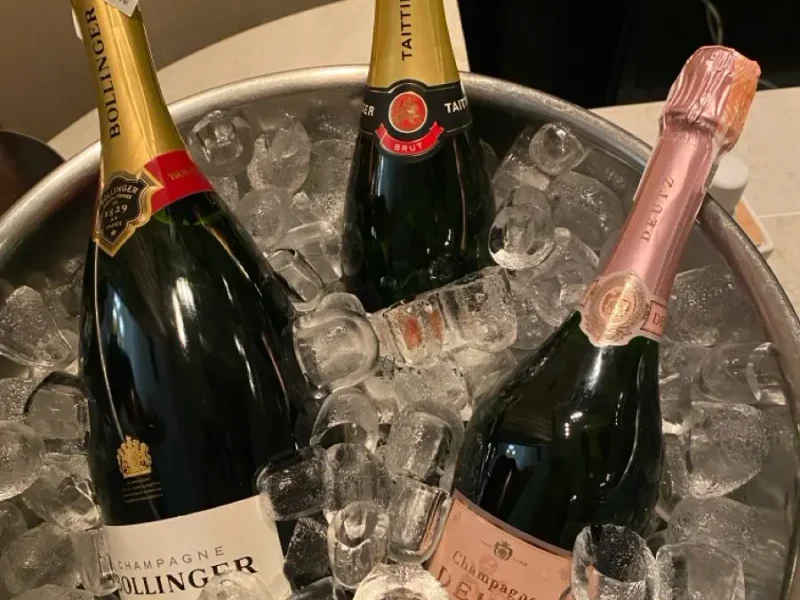
A standard wine bottle holds 750 ml, or about 25.4 US fluid ounces. How many glasses you get depends on how much you pour each time. If you pour 150 ml per glass, you get about five glasses. Pour less per glass, and you get more. Pour more, and you get fewer.
For home dinners, restaurants, and events, knowing the likely number of servings helps you plan how much wine to buy and estimate the cost per glass.

Table of Contents
How Many Glasses Are in a 750ml Bottle?
A Standard Pour Gives You About Five Glasses
The simple answer is about five glasses if each serving is 150ml, or roughly 5 US fluid ounces.
750ml ÷ 150ml per glass = 5 glasses
A 750ml bottle holds about 25.4 US fluid ounces. If you pour 5 ounces each time, you get about five glasses. The U.S. National Institute on Alcohol Abuse and Alcoholism uses a 5-ounce glass of 12% table wine as a standard drink example. This is just a way to measure, not a rule for how much to drink.
Smaller and Larger Pours Change the Count
Pour size varies by country, restaurant, event, and personal preference. A 125ml serving gives about six glasses from a bottle. A 175ml serving gives about four full glasses, with a little wine left over.
| Pour per glass | Approximate glasses per 750m |
| 125ml | 6 |
| 150ml | 5 |
| 175ml | 4 |
| 200ml | 3-4 |
These are estimates. The actual number may vary slightly depending on how accurately each glass is poured.
Why Does Pour Size Matter?
Glass Size Can Be Misleading
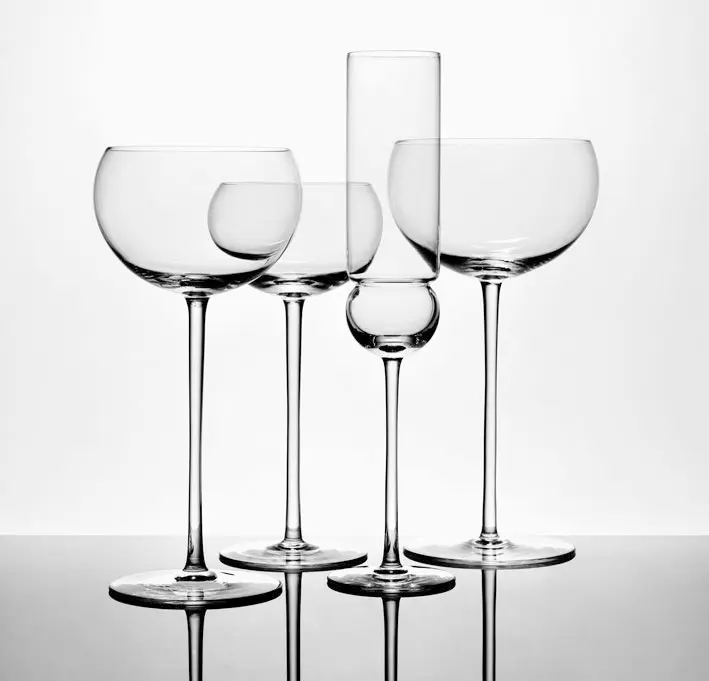
Wine glasses come in many shapes and sizes. A large glass may hold 400ml or more, but that does not mean it should be filled to the top. Many people pour less than half a glass to leave room to swirl the wine and smell its aroma.
The shape of the glass can make pours harder to judge. A 150ml serving may look small in a wide bowl but large in a narrow glass.
Measured Pours Help Keep Servings Even
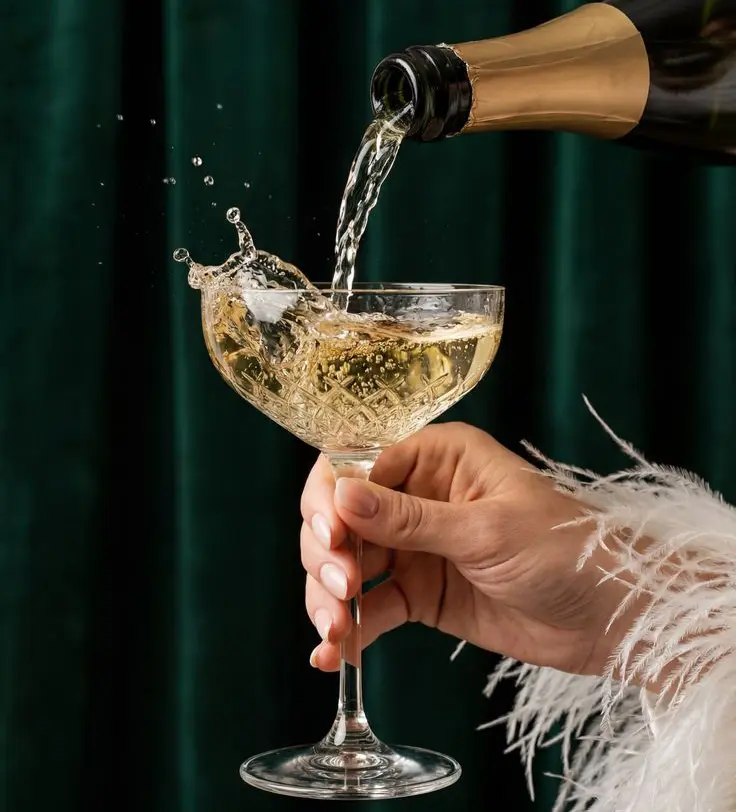
If you are serving wine to a group, use a measuring cup or a marked pourer. This helps keep each glass the same size. At a casual meal, you can just guess by eye. But measuring is better for a dinner party, a tasting event, or a restaurant. It helps you know how many glasses a bottle can give, and it makes sure every guest gets the same amount.
What Can Reduce the Number of Servings?
Large Pours and Spills Use More Wine
The calculation assumes that all 750ml goes into glasses. In real use, a few things can reduce the final amount. Large pours use up the bottle faster, and wine may be lost through spills or drips while serving.
A small sample poured while opening or checking the wine also reduces the amount available for guests.
Sediment and Wine Left in the Bottle
Older red wines may leave some sediment in the bottle, so you may choose not to pour the last drops. A small amount can also remain around the neck or at the bottom.
If you need exactly five servings, leave a small margin instead of assuming every drop will be poured neatly. For an event, having an extra bottle on hand can help you avoid running short.
Serving Wine and Planning the Cost
Calculate the Cost Per Glass
Knowing how many glasses are in a bottle helps you estimate the cost per serving. Divide the bottle price by the number of pours you expect.
For example, if a bottle costs $15 and you pour five 150ml servings:
$15 ÷ 5 = $3 per glass
If you pour six 125ml servings, the wine cost is $2.50 per glass. If you pour four 175ml servings, it is $3.75 per glass.
These figures cover only the wine itself. A restaurant may also need to account for labor, storage, glassware, taxes, and other operating costs.
Plan for the Number of Guests
For a party, estimate how many servings you need. If 10 people each have one 150ml glass, plan for about two 750ml bottles. If some guests may want a second serving, you will need more.
If you serve both red and white wine, calculate the amounts for each type on its own. This way, you won’t buy too much of one and too little of the other. For a formal event, ask your caterer or the venue about their serving size. Their pours might be different from what you expect.
Does Wine Type Change the Number of Glasses?
Bottle Volume Stays the Same
A standard 750ml bottle contains the same amount whether it holds red, white, rosé, or sparkling wine. The number of glasses depends on the serving size, not the wine’s color or style.
Serving Style and Alcohol Content Can Vary
A tasting pour is usually smaller than a dinner pour, while a generous home pour may be larger. Alcohol content also differs between wines. The number of glasses in the bottle does not change, but the amount of alcohol in each glass can.
NIAAA notes that a 750ml bottle of 12% table wine contains about five U.S. standard drinks, while a bottle at 14% contains nearly six.
The Simple Answer
A 750ml wine bottle usually provides about five 150ml glasses. Smaller 125ml pours give you about six servings, while larger 175ml pours give you about four. The exact number depends on how much you pour and how much wine is lost during serving.
If you are planning a dinner, party, or restaurant menu, choose a serving size first. Then use it to estimate the number of bottles and the cost per glass.
How Many Glasses Can You Pour from a 750ml Wine Bottle?
A 750ml bottle can serve different numbers of glasses depending on how much you pour. Learn how serving size, spills, wine type, and pour control affect the number of servings and the cost per glass.