
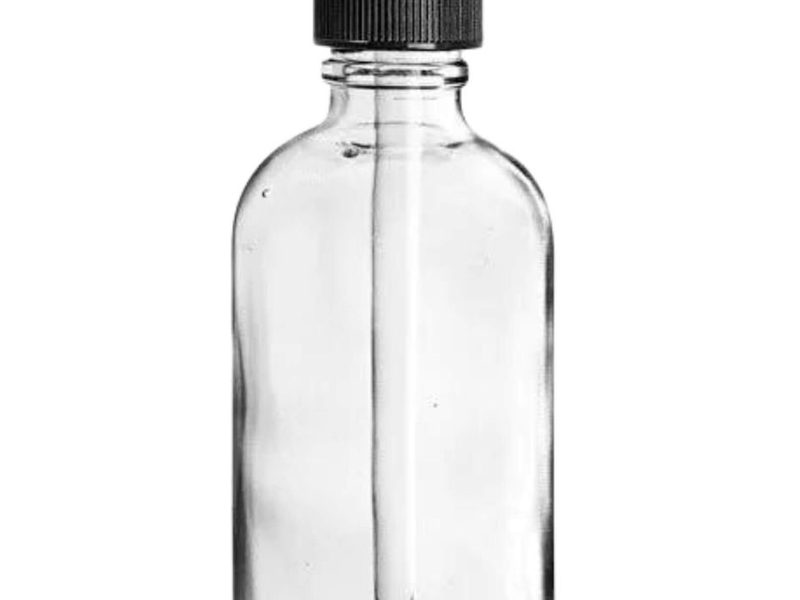
A 2 oz glass bottle holds about 59 ml. It is a small choice for items that need exact amounts, easy carrying, or a high-end look. Even with a small size, these bottles come in many shapes, colors, and cap styles.
Some are designed to dispense liquid a drop at a time, while others use a simple lid for storage and everyday access. The bottle style you choose can affect how customers handle the product, how it looks on a shelf, and how easily it fits into your filling process.
Before choosing a bottle, consider the product’s properties, how it will be used, and whether it needs special storage or dispensing features. Here are several common types to consider.
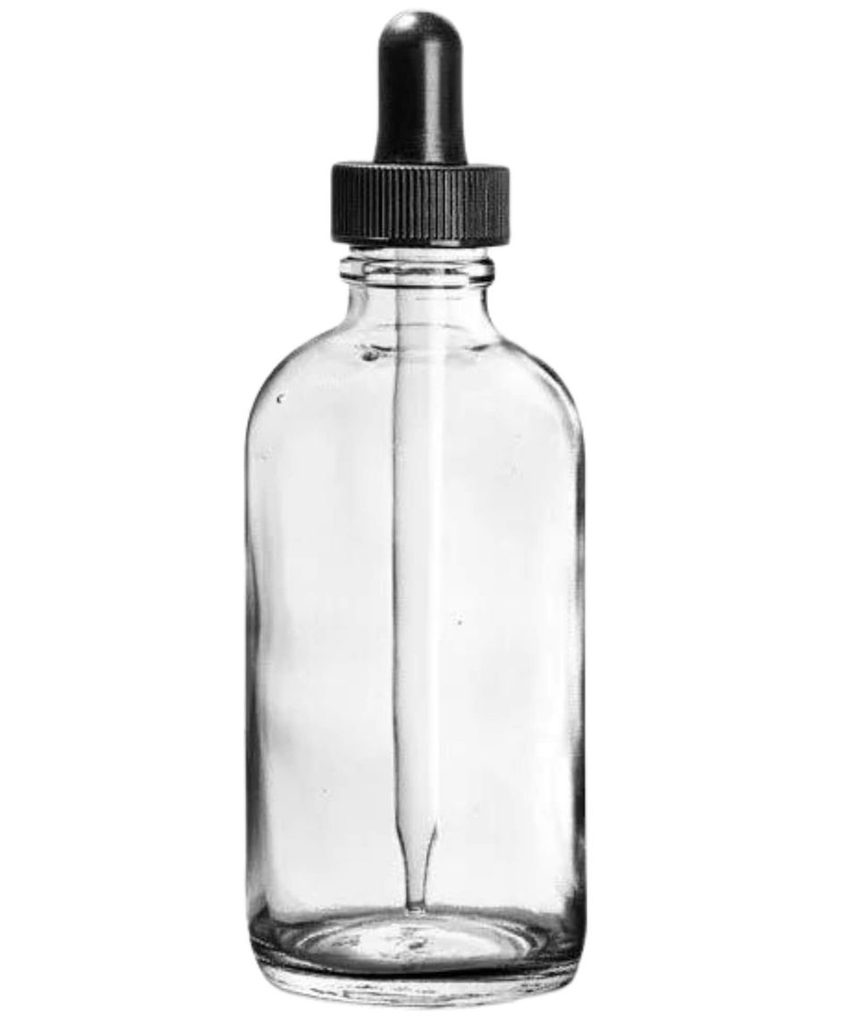
Table of Contents
1. 2 oz Glass Dropper Bottles
2 oz glass dropper bottles are designed for products that need controlled dispensing. A dropper assembly usually includes a cap and pipette, allowing users to draw up liquid and release it in small amounts.
Common Applications
People often use these bottles for essential oils, face serums, plant extracts, and other liquids used in small drops. The dropper helps you use just the right amount. The glass bottle also looks clean and nice.
Check that the pipette length and bulb material suit the bottle and its contents. The neck finish must also match the closure. If the product is thick or has a distinct viscosity, test it with the dropper before confirming an order.
Styles and Details
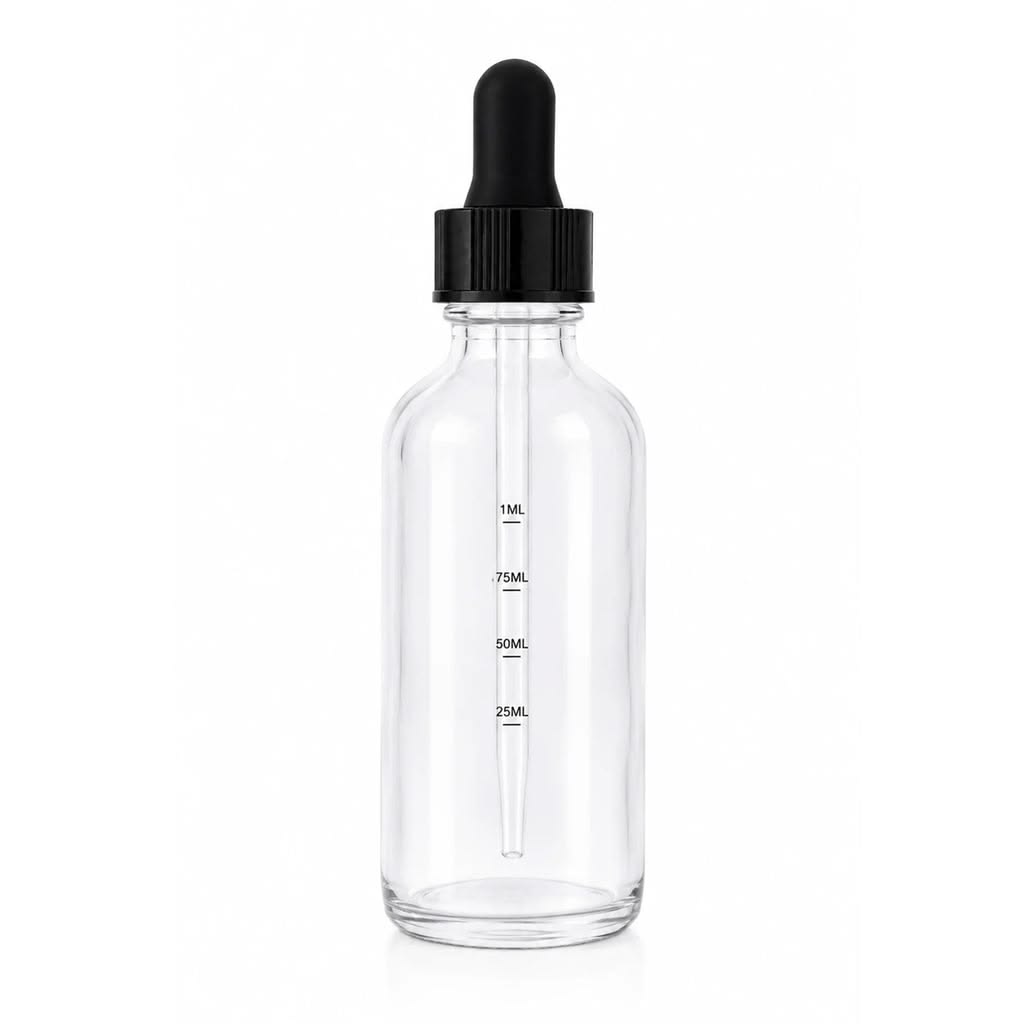
Dropper bottles may be available in clear or colored glass, with different cap finishes and pipette styles. The right combination depends on how the product will be used and presented.
For a custom order, confirm the bottle capacity, closure fit, and dispensing performance together. A sample filled with the actual formula can help reveal issues that may not be obvious from a product photo.
2. 2 oz Glass Bottles with Lids
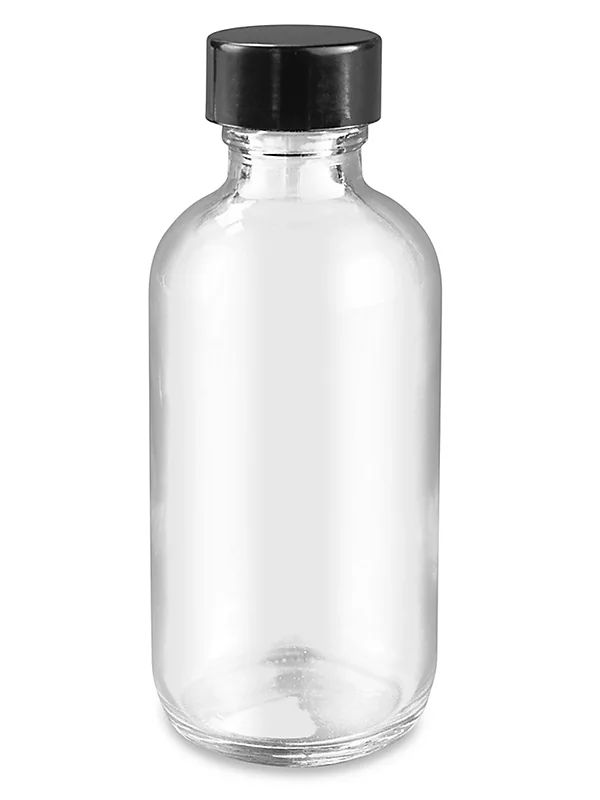
2 oz glass bottles with lids are a versatile choice when a product needs a straightforward closure. Depending on the design, the lid may be a screw cap or another compatible closure intended to cover the opening.
The lid should match the bottle’s neck finish and suit the product’s use. A bottle intended for repeated access, for example, should be easy for customers to open and close. If controlled pouring matters, a cap with an insert or reducer may be worth considering.
Matching the Closure to the Product
Check the cap material, size, and how well it works with the product. Treat the bottle and cap as one whole package. This is very important if you need to stop leaks or use the bottle many times.
Appearance and Labeling
A simple bottle-and-lid combination can work for personal care, wellness, sample, and specialty product lines. Compare cap colors and bottle shapes to coordinate the packaging with your brand.
Leave enough smooth surface for a label, and check that its dimensions fit the bottle’s usable area. On a small package, clear label hierarchy can make product information easier to read.
3. 2 oz Amber Glass Bottles
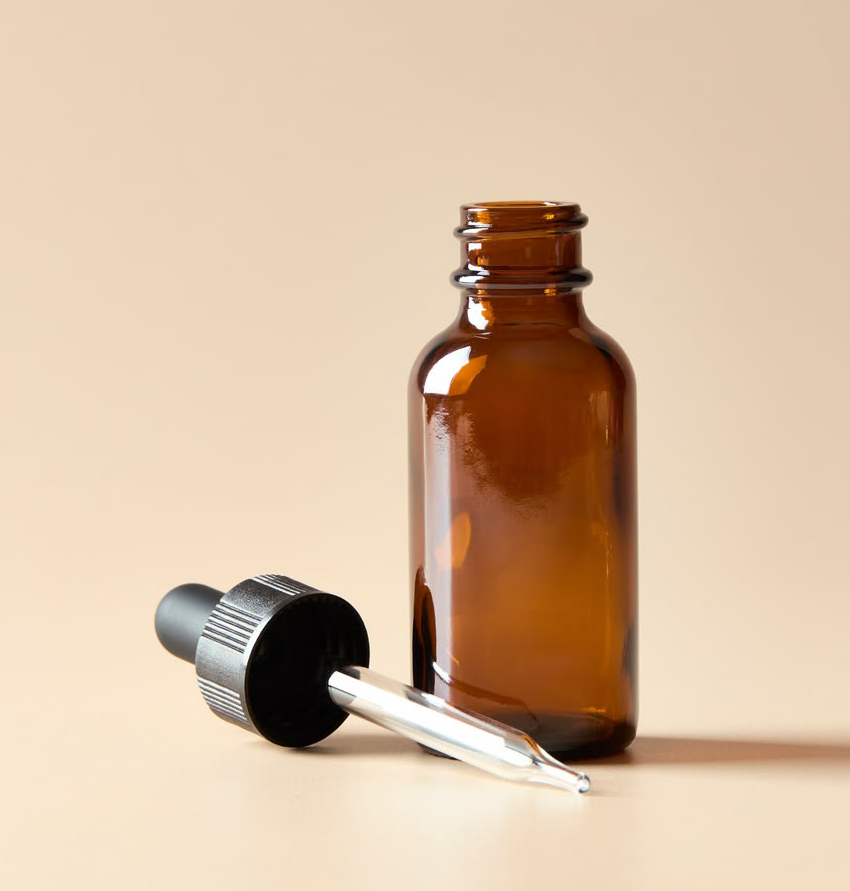
2 oz amber glass bottles have a warm, distinctive color that can give packaging a traditional or natural appearance. Amber glass may also help limit light exposure for some products, depending on the bottle and the product’s storage requirements.
When Amber May Be a Good Fit
Amber bottles are often considered for oils, extracts, and products where a darker glass finish suits the brand. They can be paired with a screw cap, dropper, or another compatible closure.
Color alone does not determine a product’s shelf life or protection requirements. If light sensitivity is a concern, confirm the packaging specifications with your product team and test the finished package under expected storage conditions.
Coordinating the Package
Think about how the amber color will work with the label, cap, and product. A contrasting label can make key information easier to read, while a coordinated cap can create a consistent look across a product range.
Reviewing a physical sample can help you assess the color and finish before production.
4. Clear 2 oz Glass Bottles
Clear glass keeps the product visible, which can be useful when appearance is part of the customer experience. It also gives brands a neutral starting point for labels, caps, and other packaging details.
A Simple Presentation
Clear bottles may suit products where customers want to see the color or texture inside. Their straightforward appearance can work for samples, personal care products, and specialty liquids.
The product’s storage and light requirements should guide whether clear glass is appropriate. If you are unsure, compare clear and colored samples with your product before deciding.
Label Placement
Since you can see inside the bottle, the label should show the product name and key info without covering too much of the glass. Think about how clear the text is and how the bottle looks on a shelf or in photos.
5. 2 oz Glass Bottles for Samples and Travel Sizes
A 2 oz capacity can be convenient for trial-size products, travel-oriented packaging, promotional kits, and product bundles. A smaller format lets customers try a product before buying a larger size and gives brands a compact option for sampling programs.
Planning for Filling and Use
The bottle opening and cap affect how easy it is to fill, seal, and use. If you ship the product alone or in a kit, make sure the cap stays tight during shipping and handling.
Packaging tests can help identify fit or leakage issues before launch. Also check that the bottle works with your filling and labeling equipment if you plan to use it in production.
Small packaging leaves limited label space. Prioritize the product name, directions, and required information, and check the labeling requirements for your market and product category.
6. Sourcing 2 oz Glass Bottles in Bulk
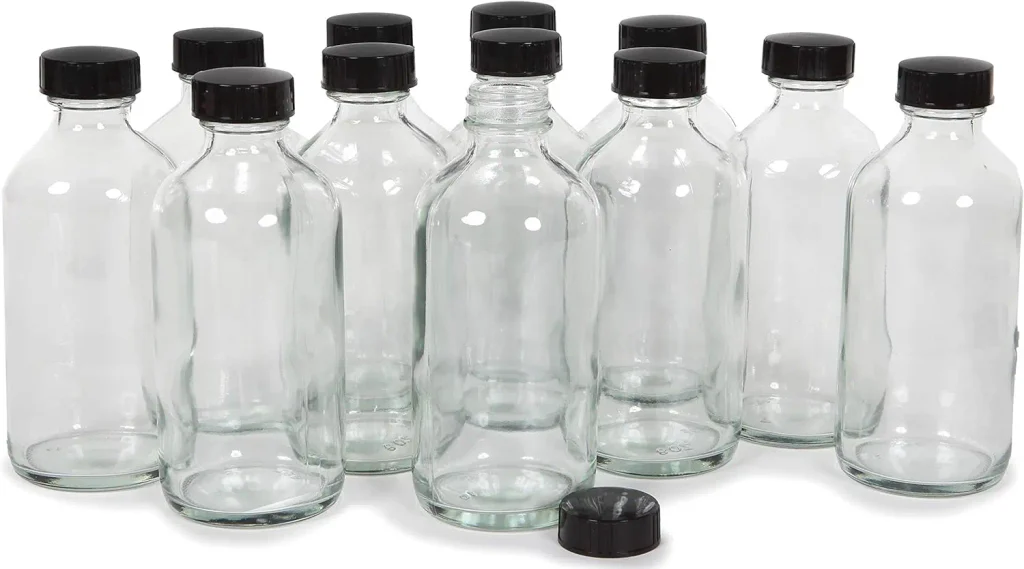
When ordering 2 oz glass bottles in bulk, compare the complete packaging specification rather than looking at capacity alone. Bottle dimensions, glass color, neck finish, closure compatibility, and decoration options can all affect whether the package works for your product.
Questions to Ask a Supplier
Before requesting a quotation, prepare the estimated order quantity, intended application, preferred bottle style, and closure requirements. Ask whether samples are available, and confirm production and shipping details.
If you need printing, coating, or custom packaging, clarify which options are available and whether they affect minimum order quantities.
Confirming Specifications
For repeat orders, consistent dimensions and finish can help simplify filling, labeling, and presentation. Review samples against your requirements and confirm the final specifications in writing.
This is especially useful when bottles will run through filling or labeling equipment.
How to Choose the Right 2 oz Glass Bottle
Start with the product and its dispensing needs. A dropper may suit liquids applied in small amounts, while a standard cap may be enough for products poured or stored in the bottle.
Next, compare clear and amber glass based on appearance and any product-specific light considerations. Then check the neck finish, closure fit, bottle dimensions, label area, and order quantity.
Requesting samples can help you confirm how the bottle looks and performs with your actual product before committing to an order.
Conclusion
There are several options when choosing 2 oz glass bottles, including dropper bottles, bottles with lids, amber glass designs, clear glass styles, and compact formats for samples or travel sizes. Each offers different packaging and presentation features.
For buyers who need 2 oz glass bottles in bulk, the best choice depends on the product, cap, filling process, and brand needs. Compare samples and details with care. Work with a supplier who can explain the bottle and cap options. Once key details are checked, a small glass bottle can give you good packaging and a steady look.
Explore Our 2 oz Glass Bottle Options
Find clear, amber, and dropper bottles with matching lids for your product. Compare styles and choose the right fit for your needs.