
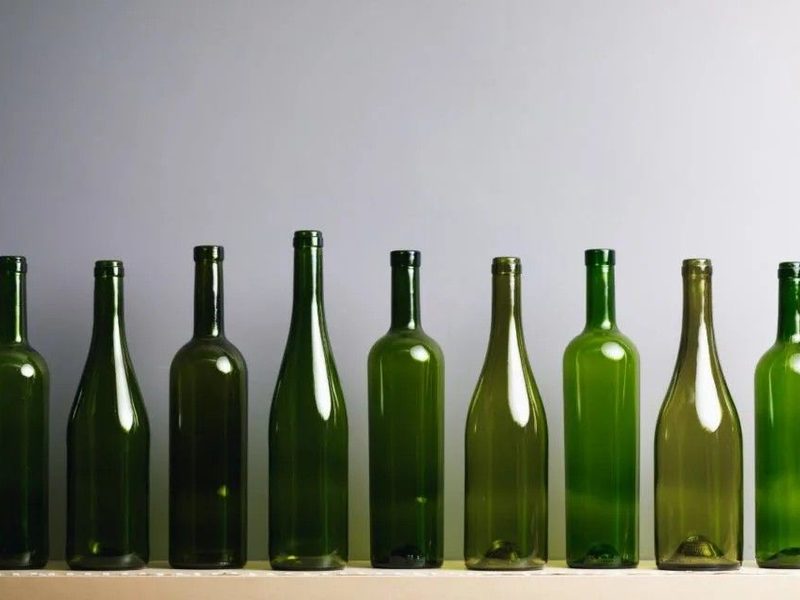
Choosing glass wine bottles involves more than picking a shape. The bottle should suit your wine, brand, filling process, and shipping plan.
Some businesses need a steady supply of standard bottles. Others want a custom design or a large order for production. This guide covers the main points to consider before you buy.
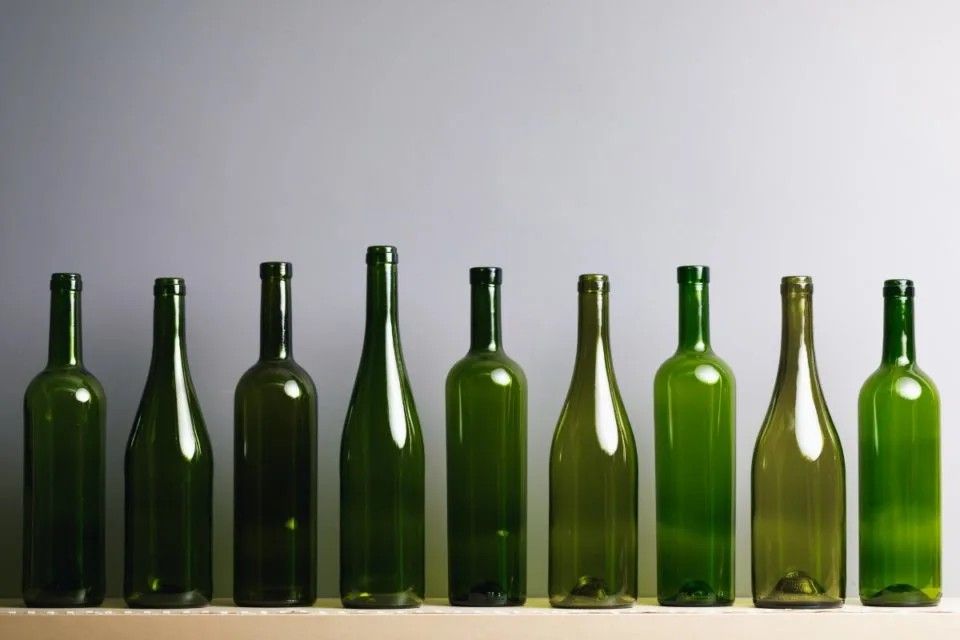
Table of Contents
What to Know Before Buying Glass Wine Bottles
Bottle size, shape, color, and closure all affect how the package looks and works. Your label, filling line, and shipping cartons matter too.
Before placing an order, check that all these parts work together. A bottle may look right but still need a different closure or label.
What Makes a Good Wine Bottle?
A good bottle fits your product and production needs. It should work with your filling equipment, label design, closure, and carton.
Also think about how customers will see and use it. The bottle should be practical to store and ship.
Which Glass Color Should You Choose?
Clear glass lets customers see the wine’s color. Green and other dark colors give the bottle a different look and may help limit light exposure.
The right color depends on your product and brand. Check that your preferred bottle style is available in that color before ordering.
How to Choose Glass Wine Bottles
Start with the needs of your wine and your customers. Then compare capacity, shape, closure, and decoration options.
1. Choose the Right Bottle Capacity
Bottle capacity should match how you plan to sell the wine. Standard sizes may work well for retail, while smaller bottles can suit samples, events, or gift sets.
Check that the size also fits your filling line, labels, and cartons. If you sell in different markets, review local packaging requirements before ordering.
2. Select a Shape That Fits Your Brand
A familiar shape can give your product a classic look. A custom shape may help it stand out.
Consider practical details too. The bottle needs to move through production, fit into cartons, and sit securely on a shelf.
3. Match the Bottle With a Closure
The bottle’s neck finish must fit its closure. Corks and screw caps are common options, depending on the bottle and product.
Ask your supplier which closures work with the bottle. Review the complete package together before approving an order.
4. Plan Labels and Decoration
Your label should fit the bottle’s shape and surface. Curved or textured bottles may need a different label design.
Printing, frosting, and other decoration may also be available. Share your design with the supplier and ask to review a sample or proof before production.
5. Protect Bottles During Shipping
Glass bottles need suitable packing to reduce the chance of damage. Cartons and dividers can help keep bottles apart.
The right packing depends on the bottle, order size, and shipping method. Tell your supplier about any storage or delivery requirements before the order is packed.
Wholesale Glass Wine Bottles for Businesses
Wholesale glass wine bottles can suit wineries, distributors, retailers, and packaging suppliers that need a regular supply.
Before ordering, confirm the bottle style, size, color, closure, quantity, and delivery time. If you plan to reorder, ask whether the same specifications will be available again.
Custom Glass Wine Bottles for Your Brand
Custom glass wine bottles can help your product stand out. Options may include a different shape, size, color, logo, or surface decoration.
Start with a clear list of what you need. Include your bottle design, closure, label, and expected order quantity.
Custom work often takes more planning than standard bottles. Ask about samples, design approval, minimum quantities, and production time before you confirm the order.
Bulk Glass Wine Bottles for Larger Orders
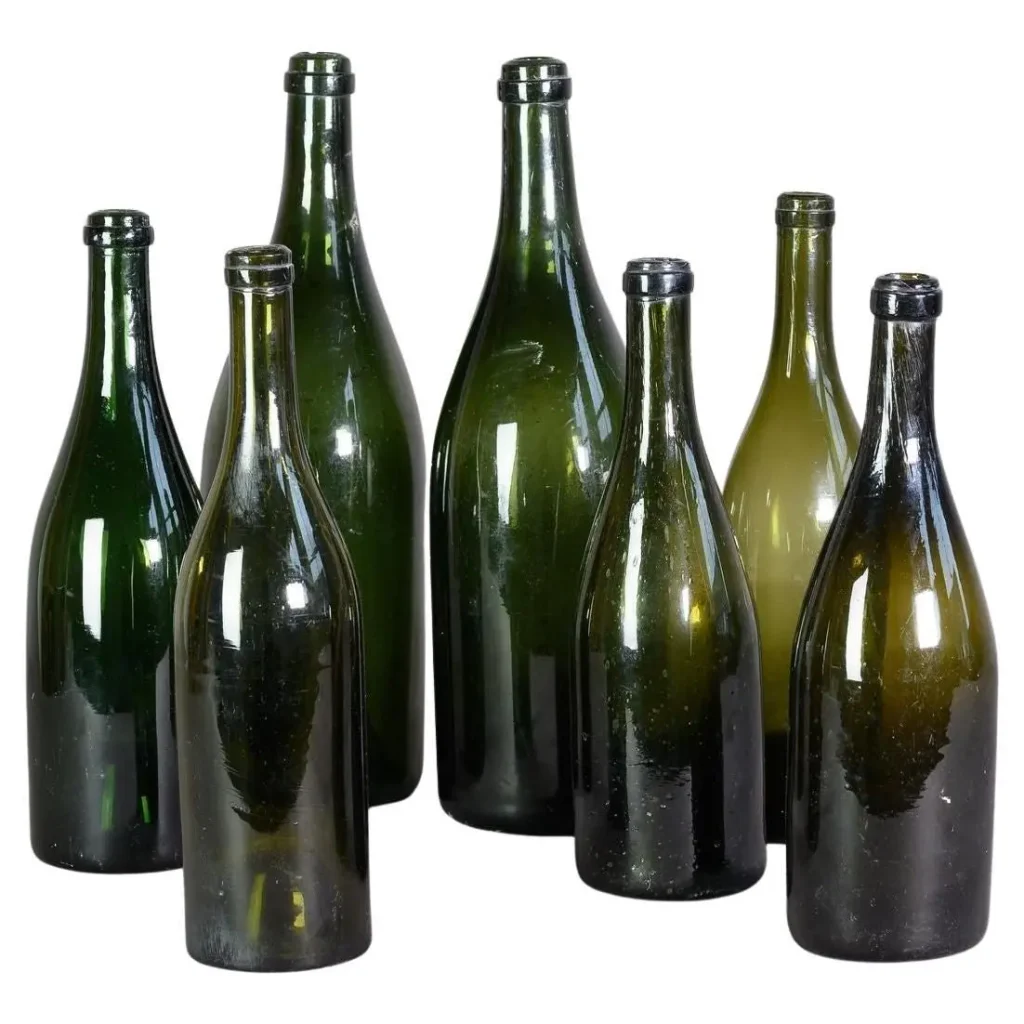
Bulk glass wine bottles can support larger production runs and regular orders. Planning ahead can help you coordinate bottle delivery with filling and shipping dates.
Confirm the final specifications in writing. Include the bottle capacity, dimensions, color, neck finish, closure, and packing method.
How to Plan a Bulk Order
Estimate how many bottles you need for the current production run. Then consider whether you need extra stock for future orders or replacements.
Check the supplier’s minimum order quantity and lead time. Find out whether the bottles are in stock or made to order. Remember to plan storage too: glass bottles are heavy and take up space.
What to Confirm With Your Supplier
Before approving the order, review the key details:
- Bottle size and capacity
- Shape and glass color
- Neck finish and closure
- Label or decoration
- Carton and divider requirements
- Order quantity and delivery schedule
- Sample and quality review process
A clear specification helps both sides follow the same plan.
Glass Wine Bottles for Different Products
The best bottle depends on the wine, the customer, and where the product will be sold. A retail bottle may have different needs from a sample or gift set.
Bottles for Retail Products
Retail bottles should suit the product and look clear on the shelf. Bottle shape, color, and label all affect how customers see the brand.
Check that the label is easy to read and the bottle fits the retailer’s shelf and carton requirements.
Bottles for Restaurants and Events
Restaurants may need bottles that are easy to store, handle, and serve. A standard shape can be practical for storage and packing.
For events, presentation may matter more. Custom labels or colors can help match the bottle to the brand or occasion.
Bottles for Samples and Gift Sets
Smaller glass wine bottles can work well for tastings, promotions, and gift sets. Check that the closure and label fit the smaller format.
Gift sets may also need a box or protective insert. Make sure all parts fit together before ordering.
How to Choose a Glass Wine Bottle Supplier
Look for a supplier who can explain the available bottle styles, closures, and custom options. Ask about samples, specifications, quality checks, and delivery.
Review Samples and Specifications
A sample lets you check the bottle’s shape, color, and finish. You can also test it with your label, closure, and filling equipment.
Review the written specifications as well. Pay close attention to capacity, dimensions, and neck finish.
Discuss Custom and Bulk Needs Early
Tell the supplier about your design and order plans as early as possible. This gives them time to explain available options and prepare a quote.
Ask about samples, minimum quantities, production time, and shipping. These details can help you plan your launch or reorder.
Check Packaging and Delivery Plans
Ask how the bottles will be packed for storage and transport. Confirm the shipping method, delivery address, and expected timing. If your warehouse has special receiving rules, share them before the order is ready.
Conclusion
The right glass wine bottle should suit your wine, brand, production, and shipping needs. Check the bottle, closure, label, and carton as one complete package.
Wholesale glass wine bottles can support regular supply. Custom glass wine bottles can give your brand a distinct look. Bulk glass wine bottles can suit larger production runs.
Review samples and confirm the specifications with your supplier before placing an order.
Find the Right Glass Wine Bottles for Your Brand
From wholesale orders to custom designs, we help you find glass wine bottles that fit your product, packaging, and business needs.